
Dhardo Rimpoche
Dhardo Rinpoche (1917-1990) was the 12th in a line of reincarnate lamas (tulkus) from Dhartsendo, Tibet, belonging to the Nyingma tradition. He received extensive monastic education, culminating in a Geshe Degree from Drepung Monastery. Rinpoche is recognized for his significant role in establishing Tibetan Buddhist institutions for refugees in India and for his influence on Western Buddhism, particularly through his friendship with Sangharakshita.
Key Facts
- ›He was the 12th tulku from Dorje Drak in Dhartsendo, a Nyingma monastery.
- ›He earned his Geshe Degree at the Lharmapa level from Drepung Monastery.
- ›Dhardo Rinpoche founded the Indo-Tibetan Buddhist Cultural Institute (ITBCI) in 1952, which included an orphanage and school for Tibetan refugees.
- ›He served as abbot of the Tibetan monastery at Bodh Gaya and later Yiga Choeling Monastery in Ghoom.
- ›Sangharakshita, founder of the Triratna Buddhist Community, considered him a living bodhisattva.
- ›His motto was 'Cherish the doctrine; live united; radiate love'.

Important Relationships
- Sangharakshita
Dhartsendo, Drepung Monastery, Gyud-Med Tantric College, Bodh Gaya, Kalimpong, Ghoom
Tibetan
Geshe Vows, Bodhisattva Vows
About Dhardo Rimpoche
Dhardo Rinpoche
Dhardo Rinpoche, born Thubten Lhundup Legsang in 1917, was the twelfth in a lineage of tulkus originating from Dhartsendo, located on the eastern border of Tibet. He belonged to the Nyingma Gompa in Dhartsendo known as Dorje Drak. The lineage of tulkus to which he belonged had a distinguished history; his predecessor, the eleventh tulku, rose to become the Abbot of Drepung Monastery and was a senior figure among retired abbots during significant political events in Tibet.
Education and Monastic Life
Dhardo Rinpoche received a comprehensive traditional Tibetan monastic education. He earned his Geshe Degree, graduating at the Lharmapa level from the renowned Drepung Monastery. He furthered his studies at the Gyud-med Tantric College, deepening his understanding of Buddhist philosophy and practice.
Work with Refugees and Foundation
Following turbulent times in Tibet, Dhardo Rinpoche played a crucial role in supporting Tibetan refugees. In 1951, he was appointed abbot of the Tibetan monastery at Bodh Gaya. From 1954 onwards, he divided his time between Bodh Gaya and Kalimpong, a town near the India-Tibet border that became a vital hub for Tibetans fleeing the Chinese invasion. In 1952, he founded the Indo-Tibetan Buddhist Cultural Institute (ITBCI), which subsequently established an orphanage and a school to support refugee children.
Influence and Legacy
Dhardo Rinpoche became a significant figure for Western Buddhists. He was a friend and teacher to Sangharakshita, an English Buddhist who spent many years in Kalimpong before returning to England to found the Friends of the Western Buddhist Order (now the Triratna Buddhist Community). Sangharakshita held Dhardo Rinpoche in high regard, considering him a living bodhisattva, a sentiment that continues to be honored within the Triratna Community. In the 1980s, the FWBO's charity, Aid For India (now the Karuna Trust (UK)), provided funding for the ITBCI School. Dhardo Rinpoche's motto, "Cherish the doctrine; live united; radiate love," became the guiding principle for his school. His ashes have been enshrined in stupas at various retreat centers in the West, signifying his enduring spiritual presence. He passed away in 1990, and the thirteenth tulku in his line, Tenzin Legshad Wangdi, was born in 1991.
Source: Wikipedia ↗
Frequently Asked Questions
Who was Dhardo Rinpoche?
Dhardo Rinpoche, born Thubten Lhundup Legsang, was the 12th in a line of reincarnate lamas (tulkus) from Dhartsendo, Tibet. He was a highly educated Buddhist master who played a significant role in establishing educational and cultural institutions for Tibetan refugees in India.
What was Dhardo Rinpoche's educational background?
Dhardo Rinpoche received traditional Tibetan monastic education. He obtained his Geshe Degree at the Lharmapa level from Drepung Monastery and pursued further studies at Gyud-med Tantric College.
What were Dhardo Rinpoche's key contributions in India?
In 1952, Dhardo Rinpoche founded the Indo-Tibetan Buddhist Cultural Institute (ITBCI), which established an orphanage and school for Tibetan refugees. He also served as abbot for Tibetan monasteries in Bodh Gaya and Ghoom.
What is Dhardo Rinpoche's connection to Western Buddhism?
Dhardo Rinpoche was a close friend and teacher to Sangharakshita, the English founder of the Triratna Buddhist Community. Sangharakshita revered him as a living bodhisattva, and Rinpoche's teachings and example influenced the development of Western Buddhism.
Where are Dhardo Rinpoche's relics located?
Portions of Dhardo Rinpoche's ashes from his cremation have been installed in stupas in various locations in the West, including New Zealand, England, Spain, Wales, Germany, and the USA.
Related Buddhists
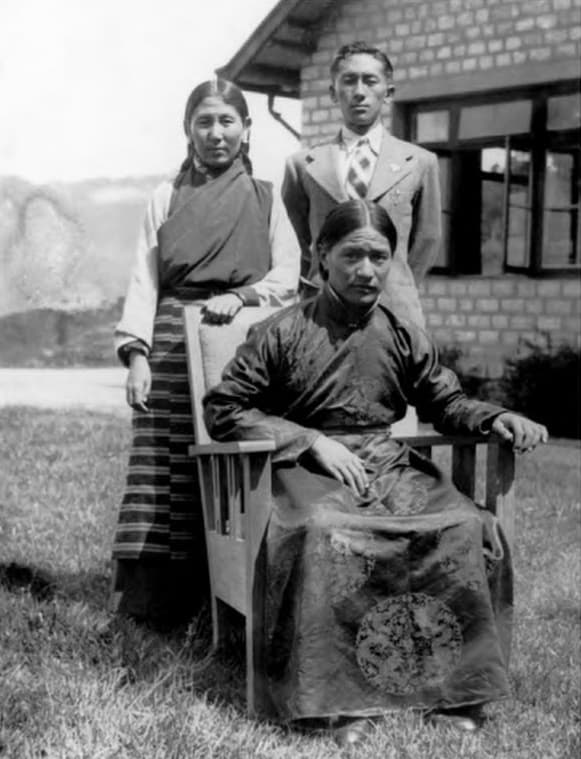
Dudjom Jigdral Yeshe Dorje
Kyabje Dudjom Rinpoche Jigdral Yeshe Dorje, known as Dudjom Rinpoche, was a highly revered master in the Nyingma school of Tibetan Buddhism. He was recognized as a reincarnation of previous tertons and Padmasambhava, and served as the first head of the Nyingma school in exile. Dudjom Rinpoche was a prolific author, scholar, yogi, and Vajrayana and Dzogchen master, instrumental in preserving and transmitting Tibetan Buddhist teachings to the West.
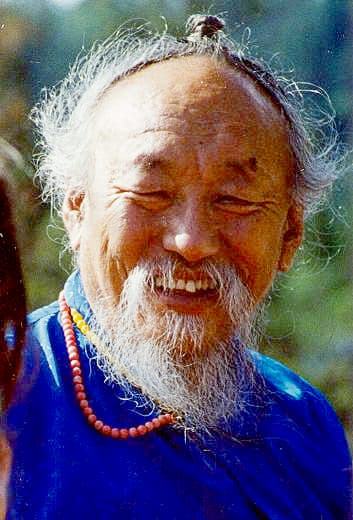
Chagdud Tulku Rinpoche
Chagdud Tulku Rinpoche was a highly respected Tibetan teacher of the Nyingma school of Vajrayana Buddhism. He was known in the West for his teachings, his artistic talents as a sculptor and painter, his melodic chanting voice, and his skill as a physician, acting as a spiritual guide for thousands of students.
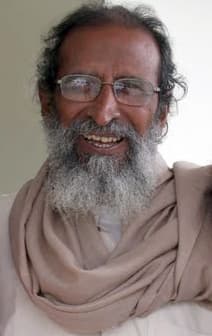
Ama Samy
Ama Samy, born Arul Maria Arokiasamy in 1936, is an Indian Zen master known for his unique teaching style that integrates Zen Buddhism with Christian and other religious traditions. After training in Japan under Yamada Koun Roshi, he founded the Bodhi Sangha and has since become a prominent figure leading retreats internationally. His work emphasizes a practical approach to Zen meditation and interreligious dialogue.