
Ashin Jinarakkhita
Indonesia·Mahayana, Theravada·Male·20th century
Ashin Jinarakkhita was an Indonesian Buddhist monk renowned for reviving Buddhism in Indonesia during the 20th century. Born Tee Boan-an, he adopted the name Ashin Jinarakkhita after his Theravada ordination and played a pivotal role in establishing Buddhist organizations and adapting Buddhist principles to Indonesian culture. His efforts ensured Buddhism's continuity and growth in the nation.
Key Facts
- ›Revived Buddhism in Indonesia through organizational efforts and cultural adaptation.
- ›Received ordination as both a Mahayana novice monk and a Theravada monk.
- ›Founded key Indonesian Buddhist organizations: PUUI, Perbudi, and Sangha Agung Indonesia.
- ›Developed strategies to comply with Indonesia's Pancasila ideology, which required belief in a supreme God.
- ›Had a liberal teaching style, emphasizing personal spiritual experience and love.
- ›Influenced both Indonesian and international students, including Dutch lay student Ton Lathouwers.
Important Relationships
- The Hong Gie (father)
- Tan Sep Moy (mother)
- Jiddu Krishnamurti
Bogor, West Java, Jakarta, Bandung, Pacet, Cianjur, West Java
Mahasi Sayadaw, Benqing Lao Heshang
Novice Monk Vows, Theravada Monk Vows
About Ashin Jinarakkhita
Ashin Jinarakkhita (1923–2002)
Ashin Jinarakkhita, born Tee Boan-an, was an instrumental figure in the revival of Buddhism in Indonesia during the 20th century. His efforts were crucial in re-establishing Buddhist traditions and fostering a sense of Buddhist identity within the nation.
Early Life and Spiritual Exploration
Born in Bogor, West Java, on January 23, 1923, Tee Boan-an displayed an early interest in yoga and spiritual matters. His youthful inquiries led him to Theosophy, where he was encouraged to read influential texts and practice meditation on Gede and Salak Mountains. After attending technical schools in Jakarta and Bandung, he pursued chemistry at Groningen University in the Netherlands, where he deepened his understanding of Theosophy and learned Pali and Sanskrit. During his time in Europe, he also attended lectures by Jiddu Krishnamurti.
Buddhist Ordination and Adaptation
Upon returning to Indonesia in 1951, Tee Boan-an became involved in religious organizations, including the Indonesian Sam Kauw Union and the Indonesian Theosophy Youth. He received novice ordination as a Mahayana Ch'an monk in 1953, taking the name Tizheng from Chinese Mahayana priest Benqing Lao Heshang. Due to political changes in China, Tizheng was sent to Burma in 1953 to practice Satipatthana Meditation under Mahasi Sayadaw. In 1954, he was ordained as a Theravada monk and received the name Ashin Jinarakkhita, after which he returned to Indonesia.
Revival of Buddhism in Indonesia
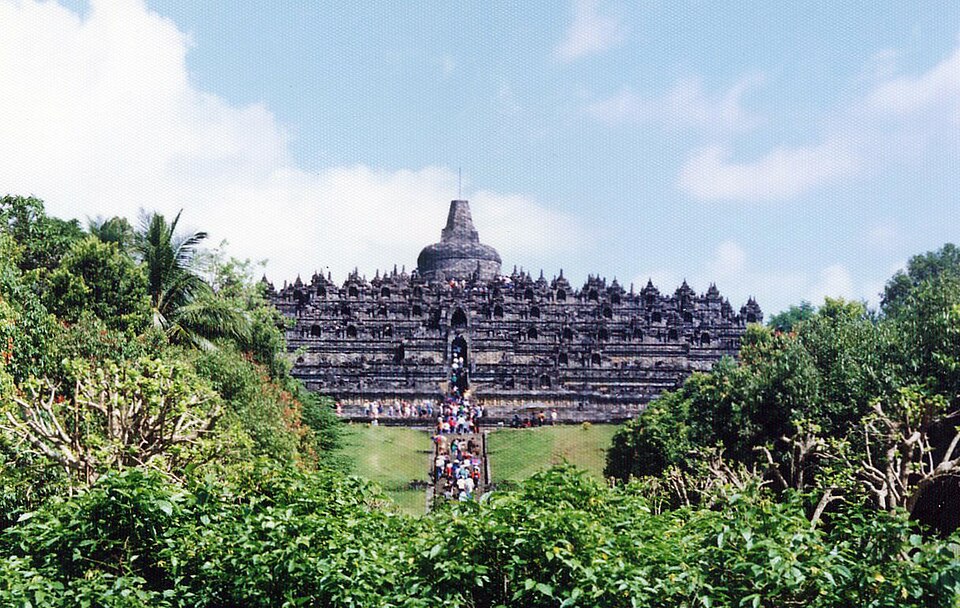
Ashin Jinarakkhita recognized that for Buddhism to thrive in Indonesia, it needed to be integrated into the local culture. He founded the first Indonesian Buddhist lay organization, Persaudaraan Upasaka Upasika Indonesia (PUUI), in 1955, which later merged into the Indonesian Buddhist Association (Perbudi). He also established the Sangha Suci Indonesia, a monastic organization that evolved into the Sangha Agung Indonesia, encompassing Theravada, Mahayana, and Tantrayana traditions. In response to the Indonesian state ideology of Pancasila, which mandated belief in one supreme God, Ashin Jinarakkhita creatively presented nibbana as the Theravada 'God' and Adi-Buddha as the Mahayana 'God,' drawing from ancient Javanese Buddhist texts.
Teachings and Legacy
Ashin Jinarakkhita's teachings were characterized by a liberal approach, emphasizing personal religious experience and the pursuit of one's own spiritual path. He often quoted non-Buddhist figures and admired spiritual leaders like Sai Baba. His core message highlighted the importance of duty, the sanctity of the body, and the pervasive nature of love. He had students and followers both in Indonesia and internationally, including Dutch lay student Ton Lathouwers, who later founded the Maha Karuna Ch'an organization in the Netherlands.
Ashin Jinarakkhita passed away on April 18, 2002, in Jakarta. His remains were interred at Sakyavanaram Temple in West Java, a place where he had lived.
Source: Wikipedia ↗
Frequently Asked Questions
Who was Ashin Jinarakkhita and what is he known for?
Ashin Jinarakkhita, born Tee Boan-an, was an Indonesian Buddhist monk who is primarily known for his instrumental role in reviving Buddhism in Indonesia. He worked to adapt Buddhist teachings and practices to Indonesian culture, ensuring its survival and growth.
What was Ashin Jinarakkhita's background before becoming a monk?
Before his ordination, Tee Boan-an was interested in yoga and mystic powers from a young age. He studied chemistry in the Netherlands and was also involved with Theosophy, learning Pali and Sanskrit.
What are the main Buddhist organizations Ashin Jinarakkhita founded or was involved with?
Ashin Jinarakkhita founded the Indonesian Buddhist lay organization Persaudaraan Upasaka Upasika Indonesia (PUUI), which later integrated into the Indonesian Buddhist Association (Perbudi). He also established the monastic organization Sangha Suci Indonesia, later known as Sangha Agung Indonesia.
How did Ashin Jinarakkhita address the requirement for belief in a supreme God in Indonesian Buddhism?
Following a coup attempt in 1965, Indonesian organizations had to adhere to the principle of belief in one supreme God. Ashin Jinarakkhita resolved this by presenting Nibbana as the Theravada "God" and Adi-Buddha as the Mahayana "God," referencing the tenth-century Javanese text Sang Hyang Kamhayanikan.
Related Buddhists

Maya Soetoro-Ng
Maya Soetoro-Ng is an Indonesian-American academic and educator specializing in peace and conflict resolution. She is known for her work at the University of Hawaiʻi at Mānoa and as a consultant for the Obama Foundation, focusing on developing leaders in the Asia-Pacific region. As the maternal half-sister of former U.S. President Barack Obama, her background and experiences have significantly shaped her academic and professional pursuits.
Hong Yi
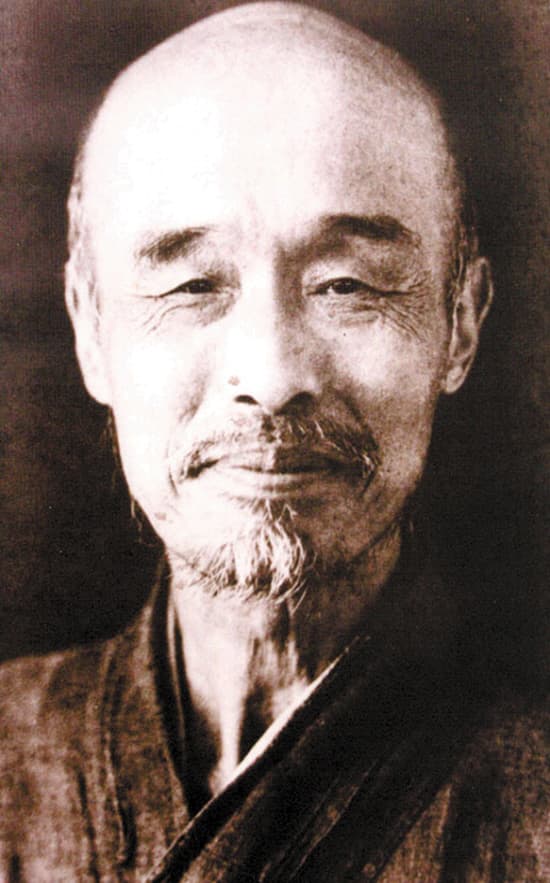
Hong Yi (1880–1942) was a highly influential Chinese Buddhist monk, artist, and musician of the Nanshan Vinaya school. Initially celebrated for his diverse artistic talents, he ordained as a monk in 1918 and dedicated his later life to revitalizing the study and practice of Buddhist Vinaya in modern China. He is revered as the eleventh patriarch of the Nanshan Vinaya school and is recognized as one of the four eminent monks of the Republic of China.
Hikkaduwe Sri Sumangala Thera
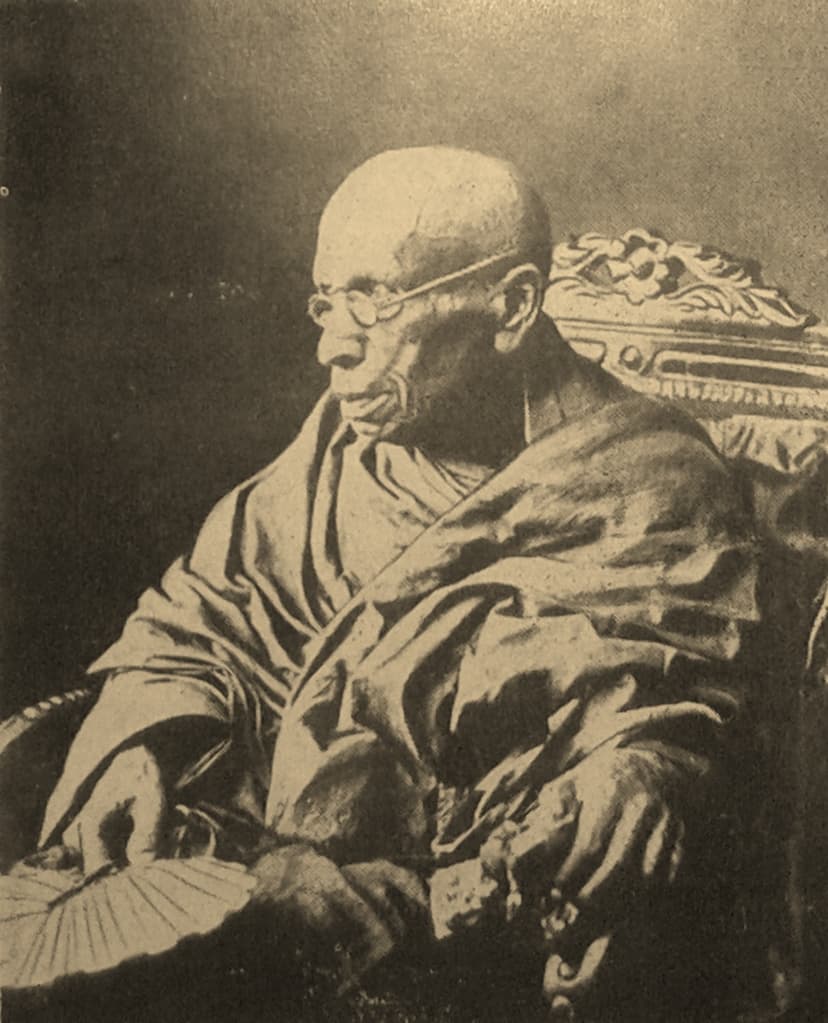
Hikkaduwe Sri Sumangala Thera was a pivotal figure in the 19th-century Sri Lankan Buddhist revival movement. He was a prolific author, eloquent orator, and the founder of Vidyodaya Pirivena, which later became a university. His significant role in the Panadurawadaya religious debate further cemented his influence on Buddhist education and reform in Sri Lanka.