
Hong Yi
China·Nanshan Vinaya school·Male·20th century
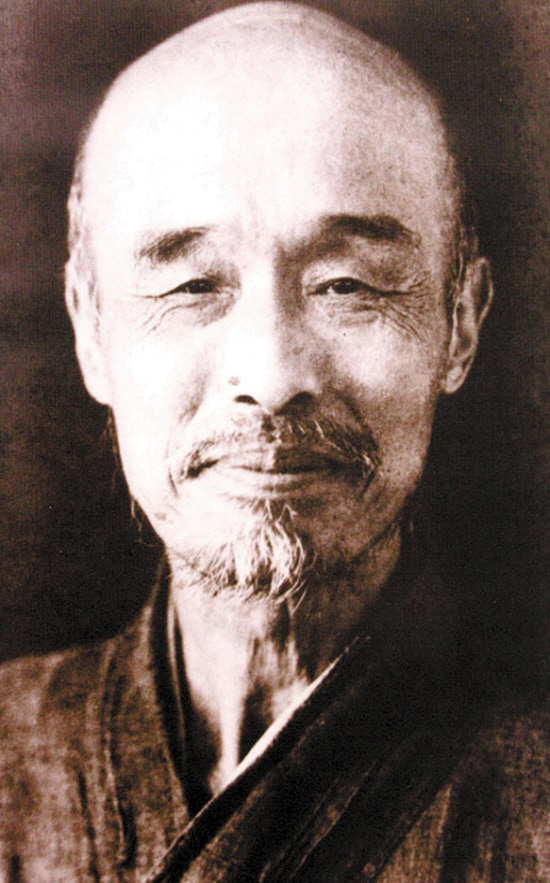
Hong Yi (1880–1942) was a highly influential Chinese Buddhist monk, artist, and musician of the Nanshan Vinaya school. Initially celebrated for his diverse artistic talents, he ordained as a monk in 1918 and dedicated his later life to revitalizing the study and practice of Buddhist Vinaya in modern China. He is revered as the eleventh patriarch of the Nanshan Vinaya school and is recognized as one of the four eminent monks of the Republic of China.
Key Facts
- ›Born LI Shutong, he was a renowned artist, musician, poet, and calligrapher before becoming a Buddhist monk.
- ›He became the eleventh patriarch of the Nanshan Vinaya school, a significant lineage in Chinese Buddhism.
- ›Hong Yi emphasized the importance of monastic discipline and the study of Vinaya scriptures.
- ›He integrated Pure Land and Huayan Buddhist practices into his teachings.
- ›He was a key figure in the modern Chinese cultural movement and the Buddhist revival during the Republic of China period.
- ›He taught Western painting and music, and was an early Chinese educator to use nude models in art classes.
Important Relationships
- Feng Zikai
- Master Yinguang
- Xu Weiru
- the Chart of the Dharmaguptaka Vinaya Bhikkhu Precepts
- the Guide To the Nanshan Vinaya For Lay Buddhists
- Song: Song Bie Ge
Tianjin, Shanghai, Tokyo, Hangzhou, Nanjing, Quanzhou, Hupao Temple, Yangzheng Institute
Nanshan Vinaya School, Huayan Buddhism, Pure Land Buddhism, SarvāStivāDin Vinaya
Chinese
Monastic Vows, Vinaya Vows
Eminent Monk, Patriarch
About Hong Yi
Hong Yi (1880–1942), born Li Shutong, was a transformative figure in modern Chinese culture and Buddhism. Initially renowned as a versatile artist, musician, poet, and educator, he experienced a profound spiritual awakening that led him to ordain as a Buddhist monk in 1918. He became a central proponent of the Nanshan Vinaya school, dedicating the remainder of his life to its study, practice, and dissemination.
Life and Historical Context
Born into a banking family in Tianjin, Li Shutong displayed early artistic and scholarly promise. He pursued studies in Shanghai and later in Japan, where he specialized in Western painting and music. Upon his return to China, he established himself as an educator, teaching at prominent institutions in Shanghai and Hangzhou. He was noted for introducing Western art techniques, including the use of nude models, and for his contributions to Western music education in China. His lay life was marked by artistic achievements and a growing interest in Buddhist philosophy, culminating in his decision to become a monk.
Monastic Life and Contributions
Upon ordaining at Hupao Temple in Hangzhou, Li Shutong became known as Master Hong Yi. He is widely recognized as the eleventh patriarch of the Nanshan Vinaya school, a title reflecting his critical role in revitalizing the Vinaya tradition. His monastic path was characterized by a deep commitment to Buddhist precepts, rigorous personal practice, and scholarly work. He focused on the Four-Division Vinaya, a foundational text in Chinese Buddhism, and worked to compile, edit, and annotate key Vinaya scriptures. He lectured extensively across China and established educational centers, such as the Yangzheng Institute, to train future monastics in Vinaya studies and discipline. Master Hong Yi also integrated elements of Pure Land and Huayan Buddhism into his teachings, viewing them as complementary paths for spiritual cultivation.
Teachings and Legacy
Master Hong Yi's Buddhist legacy is multifaceted. He championed the Nanshan Vinaya as the practice-oriented foundation for Buddhists, Pure Land cultivation as the ultimate result of spiritual effort, and Huayan Buddhism as the theoretical framework for understanding the nature of reality. His emphasis on discipline, compassionate action, and the integration of art with Buddhist principles left a lasting impact. He is remembered not only for his scholarly contributions but also for his exemplary life as a Vinaya master and his role in fostering a revival of Buddhist practice and scholarship in a period of significant social and cultural change in China.
Source: Wikipedia ↗
Frequently Asked Questions
What was Hong Yi known for before becoming a monk?
Before his ordination, Hong Yi was widely known as Li Shutong and was celebrated for his diverse artistic talents. He excelled as a poet, musician, painter, and calligrapher, and was also recognized as an early educator in Western art and music in China.
What is the significance of Hong Yi in Chinese Buddhism?
Hong Yi is highly significant as the eleventh patriarch of the Nanshan Vinaya school, playing a crucial role in its revival and the dissemination of its teachings in modern China. He is also considered one of the four eminent monks of the Republic of China period and an influential figure in the Buddhist revival of that era.
What were Hong Yi's main Buddhist teachings?
Hong Yi's teachings focused on three major schools: Vinaya, Pure Land, and Huayan. He emphasized the strict observance of Buddhist precepts through the Nanshan Vinaya, promoted Pure Land practices like reciting Amitabha Buddha's name as a path to rebirth, and saw Huayan as the theoretical foundation for his practice, particularly through the Chapter on Practices and Vows of the Bodhisattva Samantabhadra.
What contributions did Hong Yi make to the Vinaya tradition?
As the eleventh patriarch of the Nanshan Vinaya school, Hong Yi dedicated himself to studying, teaching, and compiling works on Vinaya. His contributions included editing and annotating key Vinaya scriptures, lecturing extensively, and establishing educational centers like the Yangzheng Institute to cultivate monastics in Vinaya studies and practice.
Related Buddhists
Guifeng Zongmi
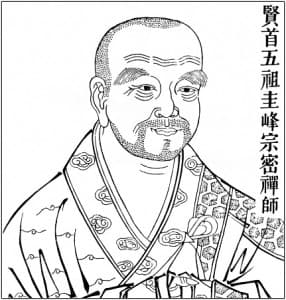
Guifeng Zongmi was a highly influential Tang dynasty Chinese Buddhist monk, scholar, and patriarch of both the Huayan and Chan schools. He is renowned for his efforts to harmonize various Buddhist teachings, particularly Chan and Huayan, with Taoism and Confucianism, aiming to create a comprehensive spiritual vision. His extensive writings serve as a crucial resource for understanding the diverse Chan schools of his era.
Heng Sure
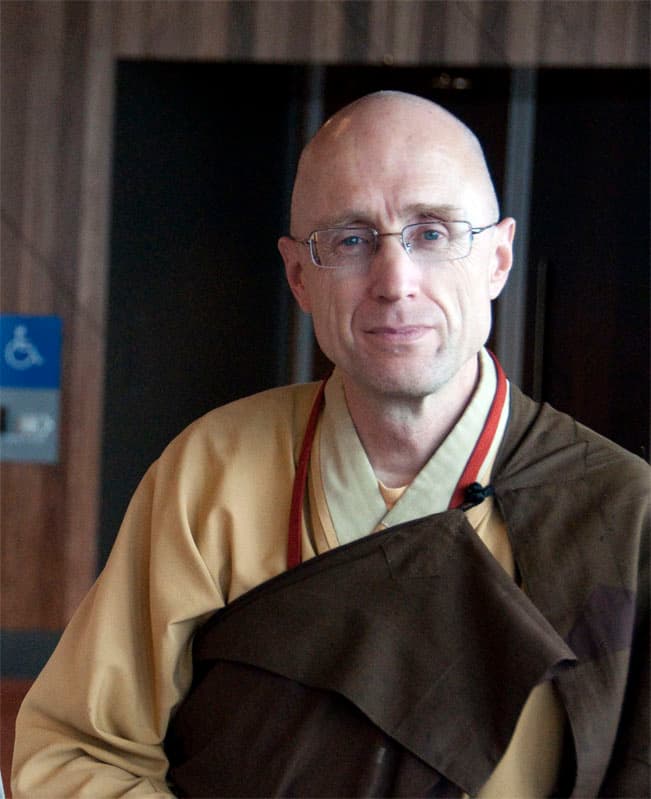
Heng Sure, born Christopher R. Clowery, is an American Chan Buddhist monk and a senior disciple of Venerable Hsuan Hua. He is widely recognized for his "Three Steps, One Bow" pilgrimage for world peace and his work as managing director of the Berkeley Buddhist monastery. Heng Sure has also contributed to interfaith dialogue and released albums of Buddhist folk music.
Brad Warner
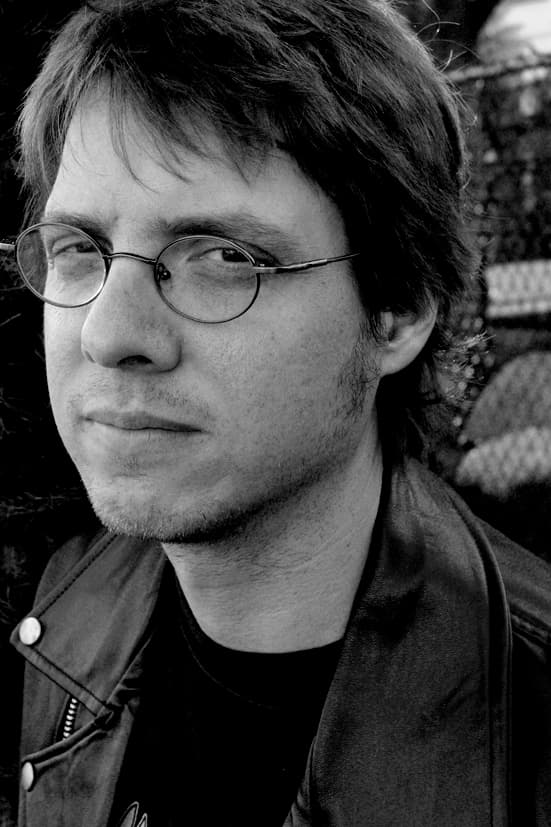
Brad Warner is an American Sōtō Zen teacher, author, and musician, known for his unique approach that blends punk rock ethos with Buddhist philosophy. He is recognized for his accessible writings and teachings, which aim to make Zen practice understandable for a contemporary audience.