
Ajahn Viradhammo
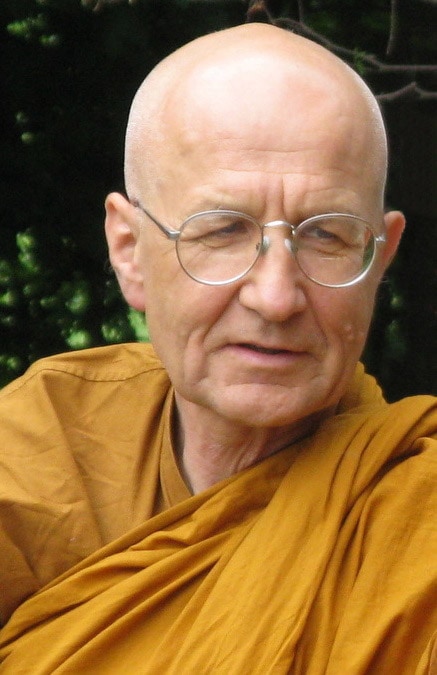
Ajahn Viradhammo, born Vitauts Akers, is a Canadian monk within the Theravada Buddhist tradition, specifically the Thai Forest tradition. He is recognized as the most senior Thai Forest monk in Canada and currently serves as the Abbot of Tisarana Buddhist Monastery in Perth, Ontario. Ordained by Ajahn Chah, he played a significant role in establishing monasteries in the UK, New Zealand, and Canada.
Key Facts
- ›Born Vitauts Akers in a displaced persons camp in Germany in 1947.
- ›Immigrated with his family to Toronto, Canada, in 1951.
- ›Ordained as a monk in 1974 by Ajahn Chah at Wat Nong Pah Pong monastery.
- ›Was among the first residents of Wat Pah Nanachat, an international monastery in Thailand.
- ›Helped establish Chithurst Buddhist Monastery and Aruna Ratanagiri monastery in the UK.
- ›Founded and is the Abbot of Tisarana Buddhist Monastery in Perth, Ontario, Canada.
Important Relationships
- Ajahn Chah
- Ajahn Sumedho
- Sāmanera Bodhesako
- Ottawa Buddhist Society
- Stillness of Being
- the Contemplative's Craft : Internalizing the Teachings of the Buddha
- A Contemplative’S Companion
Wat Nong Pah Pong Monastery, Wat Pah Nanachat, Chithurst Buddhist Monastery, Aruna Ratanagiri Monastery, BodhinyāNāRāMa Monastery, AmarāVati Monastery, Tisarana Buddhist Monastery
Ajahn Chah, J. Krishnamurti, SāManera Bodhesako
Bhikkhu
About Ajahn Viradhammo
Ajahn Viradhammo, born Vitauts Akers on April 27, 1947, is a Canadian monk belonging to the Thai forest tradition of Theravada Buddhism. He is recognized as the most senior Thai Forest monk currently residing in Canada and serves as the Abbot of Tisarana Buddhist Monastery in Perth, Ontario. His spiritual path was influenced by early experiences of silence and awareness, leading him to explore various spiritual traditions before encountering Buddhism in India.
Life and Ordination
Born in a displaced persons camp in Germany to Latvian parents who had fled their homeland, Vitauts Akers immigrated to Toronto, Canada, in 1951. After an initial foray into engineering studies at the University of Toronto, he embarked on a journey of seeking meaning in North Africa, Europe, and India. It was in India, in 1969, that he re-experienced childhood moments of pure awareness through reading J. Krishnamurti, and was introduced to the Buddha's teachings by Sāmanera Bodhesako. This led him to travel to Thailand, where he became a novice at Wat Mahathat in 1973 and was later ordained as a monk in 1974 by the esteemed Ajahn Chah at Wat Nong Pah Pong monastery. He was among the first residents of Wat Pah Nanachat, the international monastery established by Ajahn Chah.
Monastic Service and Establishments
Ajahn Viradhammo's monastic career has involved significant contributions to the spread of the Thai forest tradition internationally. In 1977, he was invited by Ajahn Chah to join Ajahn Sumedho in London, where he played a role in establishing Chithurst Buddhist Monastery and Aruna Ratanagiri monastery in the United Kingdom, serving as abbot at the latter. He then moved to New Zealand in 1985, contributing to the development of Bodhinyānārāma monastery over a decade. After periods of assisting Ajahn Sumedho in the UK and returning to New Zealand, he came to Ottawa, Canada, in 2002 to care for his mother. In 2006, with support from the Ottawa Buddhist Society and affiliated groups, he founded Tisarana Buddhist Monastery in Perth, Ontario, where he continues to serve as abbot.
Publications and Teachings
Ajahn Viradhammo has authored several books that convey the contemplative teachings of Buddhism. His published works include "Stillness of Being" (2005), "The Contemplative's Craft : internalizing the teachings of the Buddha" (2017), and "A Contemplative’s Companion" (2024). His Dhamma talks are also available through various online platforms, including iTunes and the Amaravati website.
Source: Wikipedia ↗
Frequently Asked Questions
What is Ajahn Viradhammo's birth name and nationality?
Ajahn Viradhammo was born Vitauts Akers. He is a Canadian monk, having immigrated to Canada with his parents as a child.
When and where was Ajahn Viradhammo ordained?
Ajahn Viradhammo was ordained as a monk in 1974 by Ajahn Chah at Wat Nong Pah Pong monastery in Thailand.
What is the significance of the title 'Luang Por'?
'Luang Por' means Venerable Father and is an honorific and term of affection used in keeping with Thai custom. 'Ajahn' means teacher.
What role did Ajahn Viradhammo play in establishing Buddhist monasteries?
He helped establish monasteries in the UK (Chithurst and Aruna Ratanagiri), assisted in building Bodhinyānārāma monastery in New Zealand, and founded Tisarana Buddhist Monastery in Ontario, Canada, where he currently serves as Abbot.
What are some of Ajahn Viradhammo's notable publications?
Ajahn Viradhammo has authored several books, including 'Stillness of Being' (2005), 'The Contemplative's Craft' (2017), and 'A Contemplative’s Companion' (2024).
Related Buddhists
Ajahn Sumedho
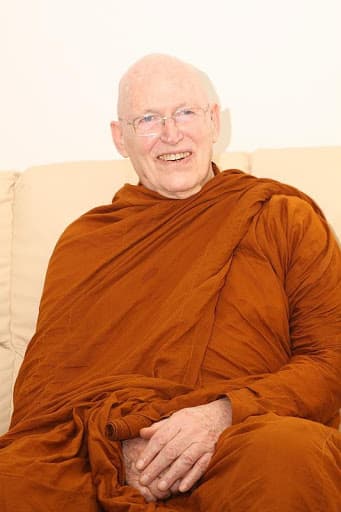
Ajahn Sumedho is an American Buddhist monk, ordained in 1967 and a central figure in establishing monasteries in Thailand and England. As a senior Western representative of the Thai Forest Tradition, he is recognized for his pivotal role in transmitting Buddhist teachings to the West through his direct, practical, and awareness-focused teachings.
Ajahn Pasanno
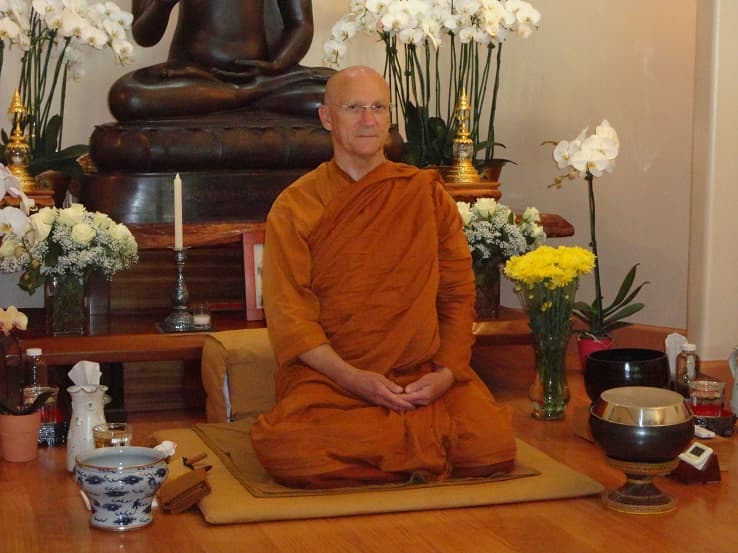
Ajahn Pasanno is a highly respected Western Buddhist monk and disciple of Ajahn Chah, known for his extensive service as abbot of Wat Pah Nanachat International Forest Monastery in Thailand and later Abhayagiri Monastery in California. He has been instrumental in training monks and supporting monastic traditions in both countries, receiving significant Thai honorific titles for his contributions.
Albert Low
Albert Low (1928–2016) was a prominent Western Zen master, author, and former human resources executive. He was a recognized teacher in the Philip Kapleau lineage and resided in Montreal for many years, where he directed the Montreal Zen Center. Low authored numerous books, many of which explored the intersection of Zen Buddhism with creativity, management, and human nature.