
Ajahn Sucitto
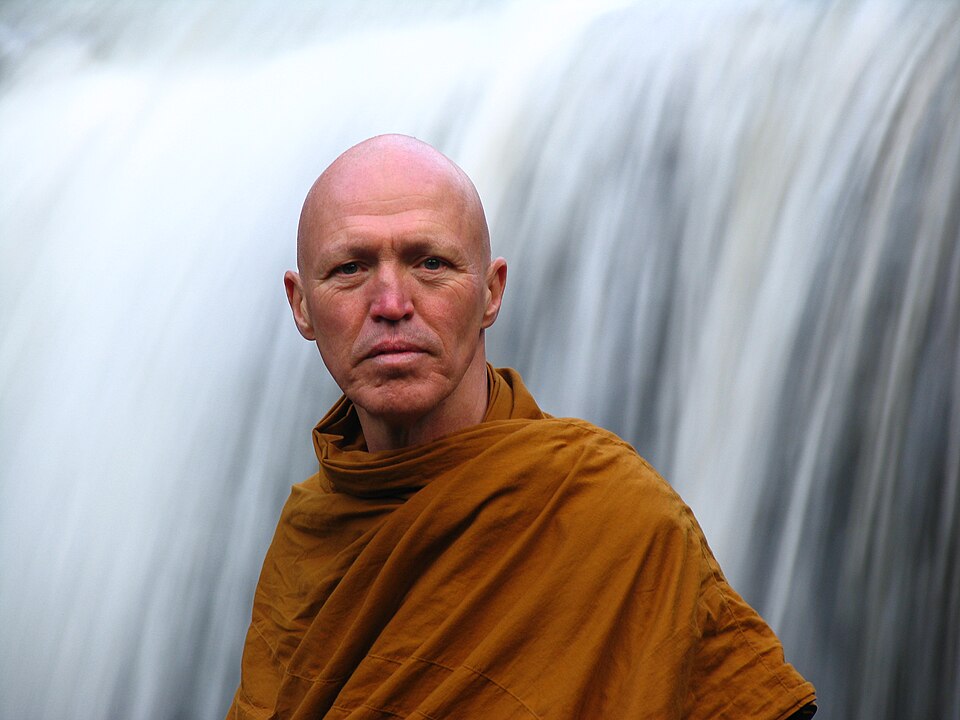
Ajahn Sucitto is a British-born Theravada Buddhist monk, ordained in Thailand in 1976. He served as the abbot of Cittaviveka, Chithurst Buddhist Monastery, from 1992 to 2014 and is known for his teaching, editing, and writing, particularly on meditation and Buddhist practice. He played a significant role in establishing monastic communities in the UK and developing protocols for nuns' training.
Key Facts
- ›Born in London on November 4, 1949.
- ›Ordained as a bhikkhu in Thailand in March 1976.
- ›Served as abbot of Cittaviveka, Chithurst Buddhist Monastery, from 1992 to 2014.
- ›Was instrumental in establishing Amaravati Buddhist Monastery and Aruna Ratanagiri.
- ›His work includes teaching, editing, and authoring several books on Buddhist philosophy and practice.
- ›Trained under the influential Theravada monk Ajahn Sumedho.
Important Relationships
- Ajahn Sumedho
- Ajahn Viradhammo
- Ajahn Amaro
- Ajahn Abhinando
- English Sangha Trust
- An Outline of Buddhism
- Cultivating Empathy
- Great Patient One
- Meditation: An Outline
- Meditation: A Way of Awakening
- Mindfulness, Its Friends and Relatives
- Parami, Ways To Cross Life's Floods
- Rude Awakenings
- SamāDhi Is Pure Enjoyment
- the Good Friend
- the Graduated Path
- the Most Precious Gift
- Turning the Wheel of Truth: Commentary On the Buddha's First Teaching
- Unseating the Inner Tyrant
- Walking Dhutanga In Britain
Cittaviveka, Chithurst Buddhist Monastery, Hampstead Buddhist Vihara, Aruna Ratanagiri, Amaravati Buddhist Monastery, Wat Meung Maung, Wat Kiriwong, Wat Potharam, Wat Umong
Ajahn Sumedho, Mahasi Sayadaw
English
Samanera Precepts, Bhikkhu Vows
About Ajahn Sucitto
Ajahn Sucitto, born on November 4, 1949, is a British-born Theravada Buddhist monk and a respected spiritual teacher. The title "Ajahn" is a Thai rendition of the Sanskrit word "ācārya," meaning "spiritual teacher."
Life and Historical Context
Before embracing monastic life, Sucitto earned a degree in English and American Literature from the University of Warwick in 1971. After a period exploring alternative lifestyles, he journeyed overland to India in 1974 and subsequently to Thailand in 1975. There, he was inspired by meditation teachings based on the Mahasi Sayadaw system. He was ordained as a samanera (novice monk) and later as a bhikkhu (fully ordained monk) in Thailand in 1976 under the guidance of monks such as Phra Alan Nyānavajīro and within monastic institutions like Wat Kiriwong and Wat Potharam.
An encounter with Ajahn Sumedho in Chiang Mai in late 1976 proved pivotal. In 1978, Sucitto returned to Britain and trained under Ajahn Sumedho at the Hampstead Buddhist Vihara. He was part of the small monastic community, led by Ajahn Sumedho, that established Cittaviveka, Chithurst Buddhist Monastery, in West Sussex in 1979. He also played a role in setting up monasteries in Harnham, Northumberland (which became Aruna Ratanagiri), and Amaravati Buddhist Monastery in Hertfordshire.
Abbot and Spiritual Teacher
In 1992, Ajahn Sucitto was appointed the abbot of Cittaviveka, a position he held until October 26, 2014. During his tenure, he was instrumental in developing the protocols and standards for the ten-precept training of the Siladhara Order, a community of nuns.
Contributions and Publications
Ajahn Sucitto's work has significantly contributed to the dissemination of Buddhist teachings through writing and editing. He edited the community's newsletter for over sixteen years and managed the editing of numerous collections of Ajahn Sumedho's talks. He has authored several books of his own teachings, including "An Outline of Buddhism," "Cultivating Empathy," and "Meditation: A Way of Awakening." He also co-authored accounts of walking pilgrimages. His books are made available for free distribution and download.
Ajahn Sucitto began teaching retreats for laypeople in the autumn of 1981 and has continued to teach both in Britain and internationally. He also co-supervises Dhamma Moon, a website dedicated to spiritually inspired poetry.
Source: Wikipedia ↗
Frequently Asked Questions
What is Ajahn Sucitto's background before becoming a monk?
Before entering monastic life, Ajahn Sucitto graduated from the University of Warwick in 1971 with a degree in English and American Literature. He spent several years embracing the alternative culture of the time before embarking on a spiritual quest that led him to Thailand.
How did Ajahn Sucitto become a Buddhist monk?
Ajahn Sucitto was inspired by a meditation class in Thailand and subsequently entered Wat Kiriwong. He took samanera precepts on September 25 and was ordained as a bhikkhu on March 22, 1976, at Wat Potharam in Nakhon Sawan.
What is Ajahn Sucitto's role in establishing Buddhist monasteries in the UK?
Ajahn Sucitto was part of the group that established Cittaviveka, Chithurst Buddhist Monastery, in 1979. He also helped establish Aruna Ratanagiri in Northumberland and Amaravati Buddhist Monastery in Hertfordshire.
What are Ajahn Sucitto's primary contributions to the Buddhist community?
Ajahn Sucitto's main contributions have been through teaching, editing, and writing. He has authored several books of his teachings and edited collections of talks by Ajahn Sumedho. He also helped develop protocols for the training of nuns.
What meditation system did Ajahn Sucitto initially train in?
Ajahn Sucitto's initial inspiration came from a meditation class based on the 'Mahasi Sayadaw' system, also known as 'Burmese satipaṭṭhāna'.
Related Buddhists

Bhikkhu Bodhi
Bhikkhu Bodhi, born Jeffrey Block, is an American Theravada monk, author, and Buddhist commentator. He is recognized for his extensive work in translating and editing Buddhist texts, particularly from the Pali Canon, and for his leadership roles in Buddhist organizations. Bodhi is also the founder of Buddhist Global Relief, an organization dedicated to combating hunger and supporting women's empowerment.
Bhikkhu Anālayo
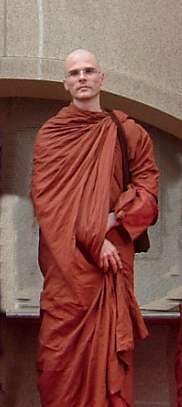
Bhikkhu Anālayo is a contemporary Buddhist monk, scholar, and meditation teacher, born in Germany in 1962. He is renowned for his extensive comparative studies of early Buddhist texts preserved across various traditions, contributing significantly to the understanding of early Buddhist thought and practice. His work often focuses on meditation, historical developments, and textual analysis, making him a key figure in modern Buddhist scholarship.
Bhikkhu Kiribathgoda Gnanananda
Bhikkhu Kiribathgoda Gnanananda Thera is a prominent Sri Lankan monk, best known as the founder and chief advisor of Mahamevnawa Buddhist Monastery and Shraddha Media Network. He is recognized for his efforts in spreading Theravada Buddhism in its pure form, emphasizing the original teachings of the Buddha. His extensive work includes authoring over 300 Buddhist texts, translating scriptures into Sinhala, and establishing a large media network dedicated to Buddhist teachings.