
Wat Sen
Wat Sen, also known as Wat Sene Souk Haram, is a significant Buddhist temple located in Luang Prabang, Laos. Built in 1718 by King Kitsarath using 100,000 stones from the Mekong River, its name translates to "Temple of 100,000 treasures." The temple underwent restoration in 1957 to commemorate the 2500th anniversary of the Buddha's birth.
Key Facts
- ›Built in 1718 by King Kitsarath.
- ›Constructed with 100,000 stones sourced from the Mekong River.
- ›Its name, Wat Sene Souk Haram, means "Temple of 100,000 treasures."
- ›Restored in 1957.
- ›Commemorated the 2500th anniversary of the Buddha's birth during its 1957 restoration.
- ›Located in the ancient capital of Luang Prabang, Laos.
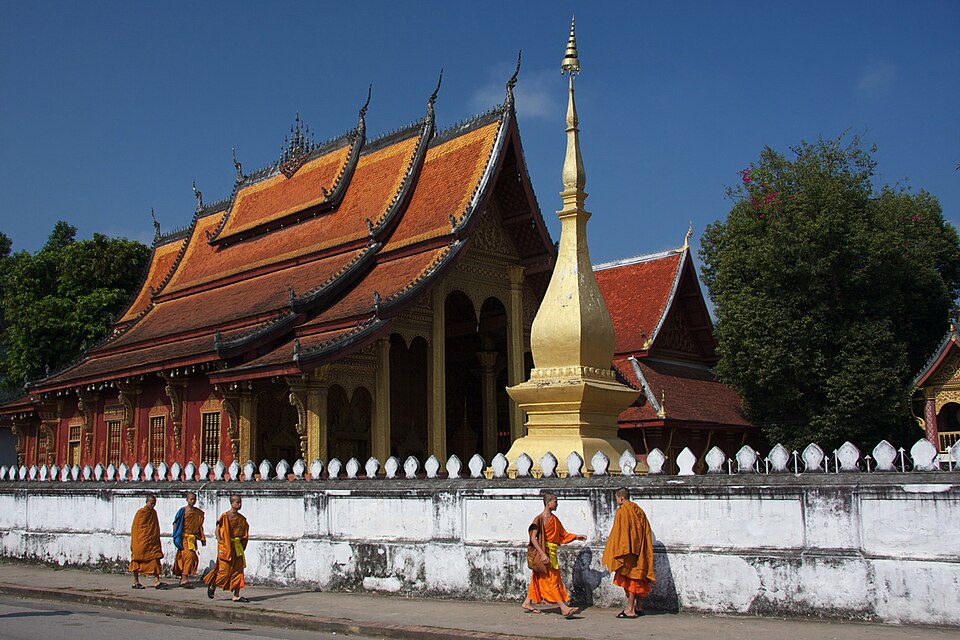
Important Relationships
- King Kitsarath
- Constructed With 100,000 Stones From the Mekong River
- Built In 1718
- Restored In 1957 Commemorating the Buddha's Birth 2500 Years Earlier
About Wat Sen
Wat Sen, also known by its full name Wat Sene Souk Haram, is a prominent Buddhist temple situated in the historic city of Luang Prabang, Laos. As one of the many temples adorning this ancient capital, Wat Sen holds a place of historical and cultural significance. Its construction in 1718 under the patronage of King Kitsarath was a remarkable feat, utilizing 100,000 stones sourced from the Mekong River, which lends its name to the temple, meaning "Temple of 100,000 treasures."
History and Restoration
The temple's establishment by King Kitsarath in the early 18th century marked it as a royal undertaking. Over the centuries, Wat Sen has been preserved and maintained. A notable period of restoration occurred in 1957, an event specifically organized to commemorate the 2500th anniversary of the Buddha's birth. This act underscored the temple's enduring importance within the Buddhist community and its role in marking significant religious milestones.
Source: Wikipedia ↗
Frequently Asked Questions
What is the meaning of Wat Sen's name?
Wat Sen, also known as Wat Sene Souk Haram, translates to "Temple of 100,000 treasures." This name reflects the significant effort and resources used in its construction.
When was Wat Sen built and by whom?
The temple was built in 1718 by King Kitsarath. It was a monumental undertaking, involving the use of 100,000 stones.
What materials were used to build Wat Sen?
Wat Sen was constructed using 100,000 stones that were gathered from the Mekong River. This unique approach to building contributed to its distinctive character.
Has Wat Sen undergone any renovations?
Yes, Wat Sen was restored in 1957. This restoration was undertaken to commemorate a significant event in Buddhist history.
What event was commemorated during the 1957 restoration of Wat Sen?
The restoration in 1957 was carried out to commemorate the 2500th anniversary of the Buddha's birth. This marked a significant period for the temple and its devotees.
Related Buddhist Temples

Wat Mai Suwannaphumaham
Wat Mai Suwannaphumaham, often shortened to Wat Mai, is the largest Buddhist temple in Luang Prabang, Laos. Constructed around the turn of the 18th century, it is a significant religious and architectural landmark in the city.

Wat Manorom
Wat Manorom is a significant Buddhist temple and monastery located in Luang Prabang, Laos. Its founding is debated, with theories placing its establishment between 1372 and 1492, and it houses a notable 6-meter-high bronze Buddha statue dating from the 1370s.

Wat Ong Teu Mahawihan
Wat Ong Teu Mahawihan, meaning "Temple of the Heavy Buddha," is a significant Buddhist monastery in Vientiane, Laos, renowned for housing the largest Buddha image in the city. Originally built by King Setthathirath I in the 16th century, it has undergone several reconstructions after being destroyed by invasions, notably in the 19th century and then restored by the French in the early 20th century, maintaining its role as a center for Theravada Buddhist learning.