
Wat Buddhananachat of Austin
Wat Buddhananachat of Austin is a Theravada Buddhist temple located in Del Valle, Texas, established in 1986 to serve as a religious and cultural center for various ethnic Buddhist communities in central Texas, primarily Thai, Laotian, and Cambodian. It is recognized as the first Asian temple in the area and has grown significantly since its founding, supporting resident monks and hosting numerous religious festivals and cultural events that attract both Buddhists and non-Buddhists.
Key Facts
- ›Established in 1986 as a nonprofit organization.
- ›Serves as a center for Theravada Buddhist religious and cultural activities.
- ›Primarily serves Thai, Laotian, and Cambodian communities in central Texas.
- ›Located on Linden Rd. in Del Valle, Texas, southeast of Downtown Austin.
- ›Hosts popular festivals such as Loy Krathong Lotus Flower Festival and Songkran.
- ›Features two main buildings: one for monk quarters and a prayer hall, and another for large gatherings and community activities.
Important Relationships
- Council of Thai Bhikkhus
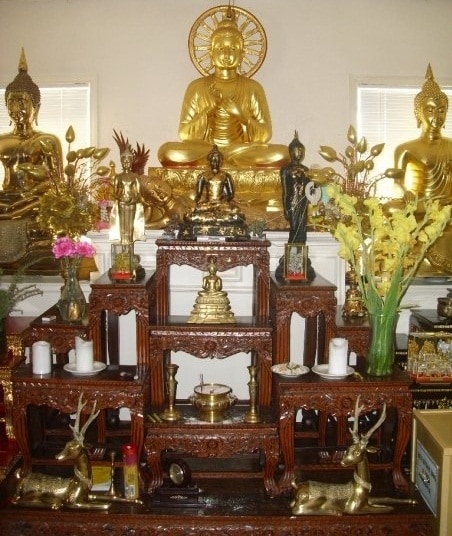
- Prayer Hall With Icons of Buddhas and Arahants
- Row of Pictures Depicting the Life and Previous Incarnations of the Buddha
- Portraits of the Royal Family of Thailand and An American Flag
- Large Pond For Loy Krathong Festival
- Community Hall Used For Festivals and Rented For Private Parties
- Gardens For Produce, Herbs, and Flowers
- Establishment As A Nonprofit Organization In 1986.
- Growth From Less Than 20 Families To Nearly 500 Families.
- Hosting of Numerous Festivals, Including Loy Krathong and Songkran.
- Celebration of Visakha Puja Annually.
About Wat Buddhananachat of Austin
Wat Buddhananachat of Austin is a significant Theravada Buddhist temple situated in Del Valle, Texas, approximately 20 miles southeast of downtown Austin. Established in 1986, it was incorporated as a nonprofit organization with the primary aim of serving as a central hub for religious and cultural activities for Theravadic Buddhists from various ethnic backgrounds residing in central Texas. The temple holds the distinction of being the first Asian temple in the region, founded on a former farmhouse property.
History and Growth
The genesis of Wat Buddhananachat of Austin can be traced to the needs of a growing Southeast Asian community, particularly Thai, Laotian, and Cambodian immigrants, many of whom had connections to the nearby Bergstrom Airforce Base. These communities sought a dedicated space for traditional Buddhist practices, as well as for important life ceremonies such as weddings and funerals. In response, a farm site was purchased in 1986, and arrangements were made with the Council of Thai Bhikkhus to send resident monks to establish the temple. Since its inception, Wat Buddhananachat has experienced substantial growth, expanding from fewer than 20 supporting families to nearly 500 families and now hosts eight resident monks.
Religious and Cultural Activities
The temple is an active center for Buddhist life, offering regular services in Thai every Sunday at 12:00 p.m., with English translations available. A daily practice known as 'tom boon' involves lay people offering food to the monks around 10:00 a.m., a practice deeply rooted in Thai Buddhist culture as a way to gain merit and good luck. Monks observe prayer times twice daily, chanting in Pali at 8:00 a.m. and 8:00 p.m.
A vibrant aspect of Wat Buddhananachat's life are the numerous festivals celebrated throughout the year, attracting both local practitioners and visitors. Popular events include the Loy Krathong Lotus Flower Festival, where participants release paper-crafted lotuses into a large adjacent pond, and Songkran, a significant Thai New Year celebration. Visakha Puja, commemorating the Buddha's birth, enlightenment, and parinirvana on the same traditional day, is also a key annual observance, involving food offerings and circumambulations around the temple.
Temple Description
The temple complex comprises two main buildings. The first houses the living quarters for the eight resident monks, a kitchen, and the primary prayer hall. This prayer hall is adorned with icons of Buddhas and Arahants, and a series of pictures narrate the life and past incarnations of the Buddha. It also features portraits of the Thai royal family and an American flag, with a sofa available for those unable to sit on the floor. The second building is a large hall utilized for festivals, weddings, and other communal gatherings. During the day, this space serves as a marketplace for the lay community to sell fresh produce and Thai delicacies, while at night, it is available for rent for private events. Proceeds from these activities contribute to the monastery's upkeep. The temple grounds also include gardens maintained by the monks as a pastime.
Source: Wikipedia ↗
Frequently Asked Questions
When was Wat Buddhananachat of Austin founded?
Wat Buddhananachat of Austin was established in April 1986 and incorporated on August 4, 1986. The temple was built on a former farmhouse site.
What Buddhist tradition does Wat Buddhananachat of Austin follow?
The temple follows the Theravada Buddhist tradition. Prayer and chanting are conducted in Pali, with transliterated texts available for English speakers.
What kind of activities take place at Wat Buddhananachat of Austin?
The temple holds regular Sunday services, offers food to monks daily ('tom boon'), and hosts numerous festivals like Loy Krathong and Songkran. It also serves as a venue for community events such as weddings and funerals.
What are some notable features of Wat Buddhananachat of Austin?
The temple complex includes living quarters for monks, a main prayer hall with Buddha icons and historical depictions, and a large hall for festivals and celebrations. It also has gardens and a pond used during the Loy Krathong festival.
Who established Wat Buddhananachat of Austin?
The temple was founded by a group of lay members, many of whom were Thai women married to American servicemen stationed at Bergstrom Airforce Base. Arrangements were made with the Council of Thai Bhikkhus to send monks to establish the temple.
Related Buddhist Temples
City Of Ten Thousand Buddhas
The City of Ten Thousand Buddhas is a significant international Buddhist community and monastery located in Talmage, California. Founded by Hsuan Hua, it is recognized as one of the first Chan Buddhist temples in the United States and a major center for Buddhist practice in the Western Hemisphere, notable for its strict adherence to traditional monastic codes.

Wood Valley Temple
Wood Valley Temple, also known by its Tibetan name Nechung Dorje Drayang Ling, is a Tibetan Buddhist temple located in Hawaii. Originally established as a Nichiren Buddhist temple in 1902, it was later re-established as a center for Tibetan Buddhist study and meditation in 1973.

Hawaii Shingon Mission
The Hawaii Shingon Mission, also known as Shingon Shu Hawaii, is a prominent example of Japanese Buddhist temple architecture in Honolulu, Hawaiʻi. Originally built in the early 20th century and subsequently renovated, it is renowned for its distinctive steep, hipped-gable roof and elaborate interior furnishings, signifying its historical ties to esoteric Shingon Buddhism.