
Tsi Nesar
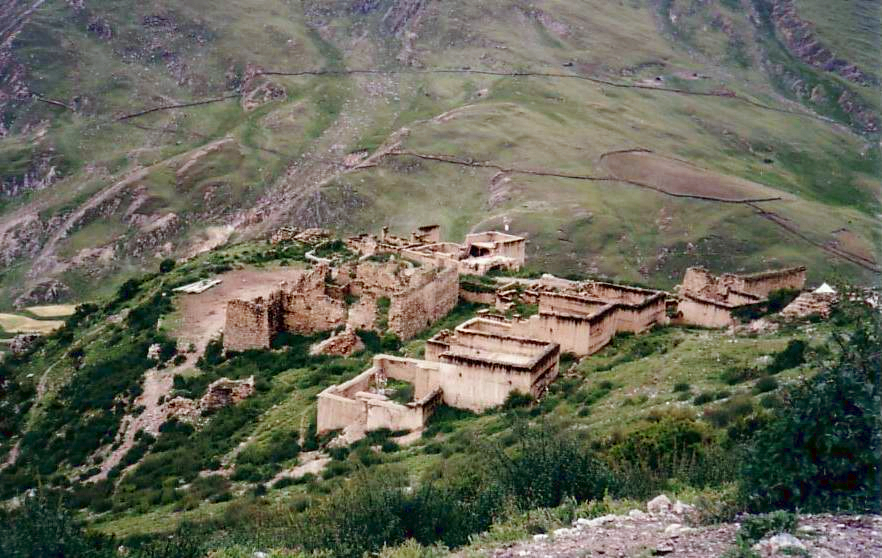
Tsi Nesar is a geomantic temple historically attributed to Emperor Songtsen Gampo, dating back to the 7th century CE. Although its original structures, including murals and a 12th-century temple, have been destroyed, a new "country-style" temple has been constructed using salvaged ancient timbers. The site is significant as one of the twenty-five main power places in Central Tibet mentioned in the biographies of Padmasambhava.
Key Facts
- ›The temple is attributed to Emperor Songtsen Gampo, who lived in the 7th century CE.
- ›Original buildings and murals were said to date back to the 12th century.
- ›A nearby temple constructed by Emperor Trisong Detsen in the 8th century housed a famous Prajnaparamita image.
- ›The site is recognized as one of the twenty-five main 'power-places with treasure-troves' of Central Tibet.
- ›A "country-style" temple has been recently built incorporating ancient timbers from the original structures.
- ›The temple is located in a valley 25 km from Gyantse and 6 km north of Drongtse Monastery.

Important Relationships
- Songtsen Gampo
- Trisong Detsen
- Padmasambhava
- Ralpacan
Geomantic Temple, Murals and Paintings, Statue of Prajnaparamita, Ancient Timbers
- Destruction of Original Buildings and Murals During the Cultural Revolution.
About Tsi Nesar
Tsi Nesar, also known by the Tibetan names rTsis gnas.gsar and rTsis lha.khang, is a significant geomantic temple historically attributed to Emperor Songtsen Gampo of the 7th century CE. The term 'geomantic' suggests a role in controlling or taming border regions, highlighting its strategic and spiritual importance in ancient Tibet.
Historical Context and Destruction
The original structures of Tsi Nesar, including precious murals and paintings, were believed to date back to the 12th century. Additionally, a temple constructed by Emperor Trisong Detsen in the 8th century housed a famous image of Prajnaparamita, consecrated by Padmasambhava. This image survived until the Cultural Revolution, but all these original buildings and their contents have since been destroyed. The site is noted in historical Tibetan biographies as one of the twenty-five main "power-places with treasure-troves" in Central Tibet, specifically containing "exoteric terma."
Reconstruction and Location
In recent years, a new temple has been erected at the Tsi Nesar site. This modern construction is described as "country-style" and notably incorporates some of the revered ancient timbers salvaged from the original temples. Tsi Nesar is situated in a valley located 25 kilometers from Gyantse and 6 kilometers north of Drongtse Monastery.
Architectural and Artistic Influences
Historical accounts mention two small ancient temples within the complex. The Runo Tsuklakang, built by Songtsen Gampo, contained chapels dedicated to Vairocana, Mahākāla, and Avalokiteshvara. The Yumchen lhakang, possibly founded during Trisong Detsen's reign, housed a statue of Prajnaparamita and an image of Mahākāla reputedly made from the nosebleed of Guru Rinpoche (Padmasambhava). Another temple, rGya-phibs, traditionally attributed to Emperor Ralpacan, may have once featured a pagoda roof. The artistic style of the bodhisattvas at Tsi Nesar, characterized by "stiff, medallioned robes," exhibits Central Asian and Indian (Pala) influences, with dating suggested for the 11th century.
Source: Wikipedia ↗
Frequently Asked Questions
What is Tsi Nesar's historical significance?
Tsi Nesar is historically significant as a geomantic temple attributed to Emperor Songtsen Gampo. It is also noted as one of the twenty-five main 'power-places with treasure-troves' of Central Tibet, mentioned in the biographies of Padmasambhava.
What happened to the original buildings of Tsi Nesar?
The original buildings of Tsi Nesar, including its precious murals and paintings, have all been destroyed. This includes the temple constructed by Emperor Trisong Detsen, which housed a famous image of Prajnaparamita until the Cultural Revolution.
Is there a functioning temple at Tsi Nesar today?
A new "country-style" temple has been built in recent years at the Tsi Nesar site. This new structure incorporates some of the revered ancient timbers salvaged from the original temples.
Where is Tsi Nesar located?
Tsi Nesar is situated in a valley approximately 25 kilometers from Gyantse and 6 kilometers north of Drongtse Monastery in Central Tibet.
What ancient influences can be seen in Tsi Nesar's art?
The bodhisattvas depicted at Tsi Nesar, dressed in "stiff, medallioned robes," show influences from Central Asia and India (Pala), likely dating to the 11th century.
Related Buddhist Temples
Yerpa
Yerpa, also known as Brag Yer-pa, is a significant historical and spiritual site in Tibet, located east of Lhasa. It comprises a monastery and ancient meditation caves, some dating back to pre-Buddhist times, and was once home to approximately 300 monks. Its historical importance is underscored by its association with key figures in Tibetan Buddhism, including Songtsen Gampo, Padmasambhava, and Atisha, making it a crucial center for meditation and retreat.

Khorzhak Monastery
Khorzhak Monastery, also known as Korchak Monastery, is a significant Buddhist site located in western Tibet near the Indian border. It is renowned for its large red wall inscribed with the "Om Mani Padme Hum" mantra and holds historical importance as a former Kagyu monastery.

Ralung Monastery
Ralung Monastery, located in the Tsang region of western Tibet, is the historical seat of the Drukpa Lineage of Tibetan Buddhism. Founded in 1180 by Tsangpa Gyare, it holds significant religious importance as the origin point of the Drukpa school, which remains influential in Tibet and Bhutan. The monastery's name, meaning "heart of a lotus," reflects its auspicious and protected location.