
Shashur Monastery
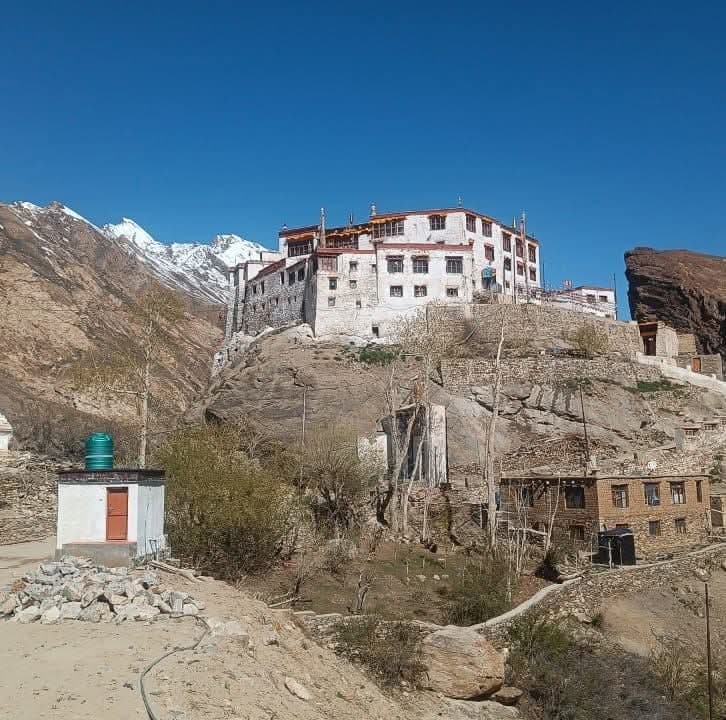
Shashur Monastery, also known as 'Shashur gonpa', is a Tibetan Buddhist monastery belonging to the Drugpa sect. Situated in the Lahaul valley of Himachal Pradesh, India, it is renowned for its picturesque location amidst blue pine trees and its annual Tseshe festival.
Key Facts
- ›Established in the 17th century by Lama Dawa Gyatsho from Ladakh.
- ›Belongs to the Drugpa sect of Tibetan Buddhism.
- ›The name 'Shashur' translates to 'amidst blue pines', reflecting its location.
- ›Located 3 km from Kyelang, the district headquarters of Lahaul and Spiti.
- ›Known for its annual Tseshe festival, celebrated between June and July.

Location Amidst Blue Pines
Annual Tseshe Festival
About Shashur Monastery
Shashur Monastery, locally known as 'Shashur gonpa', is a significant Tibetan Buddhist monastery situated in the Lahaul valley of Himachal Pradesh, India. It is affiliated with the Drugpa sect and holds a prominent position in the Lahaul and Spiti district, located just 3 kilometers from its headquarters, Kyelang.
Origins and Location
The monastery's name, 'Shashur', originates from the local dialect and translates to 'amidst blue pines'. This name aptly describes its picturesque setting, perched on a mountain covered with these trees. Shashur Monastery was established in the 17th century by Lama Dawa Gyatsho, a spiritual figure from Ladakh.
Cultural and Religious Significance
Shashur Monastery is particularly known for its vibrant annual Tseshe festival, which takes place between June and July each year. This festival draws devotees and visitors, contributing to the monastery's role as a center of religious observance and cultural practice in the region. As an active monastic institution, it continues to serve its community and preserve its traditions.
Source: Wikipedia ↗
Frequently Asked Questions
Where is Shashur Monastery located?
Shashur Monastery is located in the Lahaul valley, within the Lahaul and Spiti district of Himachal Pradesh, northern India. It is situated approximately 3 km away from Kyelang, the district headquarters.
What does the name 'Shashur' mean?
In the local dialect, the word 'shashur' means 'amidst blue pines'. This name refers to the monastery's setting on a mountain covered in pine trees.
When was Shashur Monastery founded?
The monastery was established in the 17th century. It was founded by a lama named Dawa Gyatsho, who hailed from Ladakh.
What is the significance of the Tseshe festival?
The Tseshe festival is an annual event held at Shashur Monastery between June and July. It is a notable religious celebration for the monastery.
Which Buddhist sect does Shashur Monastery belong to?
Shashur Monastery is a Tibetan Buddhist monastery and belongs to the Drugpa sect.
Related Buddhist Temples

Chemrey Monastery
Chemrey Monastery, also known as Chemrey Gompa, is a significant Buddhist monastery located in the Indus River valley of Ladakh, India. Founded in 1664 by Lama Tagsang Raschen and dedicated to King Sengge Namgyal, it belongs to the Drugpa monastic order and is known for its impressive Padmasambhava statue and a valuable collection of scriptures.
Bardan Monastery
Bardan Monastery, also known as Bardan Gompa, is a historic Buddhist monastery located in the Zanskar region of Ladakh, northern India. Founded in the 17th century, it has served as a significant religious center and historically managed several smaller hermitages in the surrounding area. The monastery is distinguished by its large assembly hall, the Dukhang, which houses impressive statues of Buddhist deities and numerous small stupas.

Gemur Monastery
Gemur Monastery is a significant Buddhist gompa located above Gemur village in the Lahaul and Spiti district of Himachal Pradesh, India. Dating back to the first half of the 17th century, it serves as a central seat of Tibetan Buddhism in the stod valley and is associated with the Drukpa Kagyu sect. The monastery is known for its ancient artifacts, wall paintings, and the annual Tshechu festival featuring masked dances.