
Korzok Monastery
Korzok Monastery is a significant Tibetan Buddhist monastery of the Drukpa Lineage, situated on the northwestern bank of the sacred Tso Moriri lake in Ladakh, India. Founded approximately 300 years ago by the third Korzok Rinpoche, the monastery serves as a spiritual center for the local nomadic Changpa herdsmen and is home to about seventy monks. It holds a prominent place in the region, having historically been the headquarters of the Rupshu Valley and remaining an active monastic community today.
Key Facts
- ›Belongs to the Drukpa Lineage of Tibetan Buddhism.
- ›Located on the northwestern bank of Tso Moriri lake in Leh District, Ladakh, India.
- ›Founded by the third Korzok Rinpoche, Kunga Lodro Ningpo, about 300 years ago.
- ›Houses a Shakyamuni Buddha statue and other deities, along with ancient restored thangkas.
- ›Serves as the spiritual center for the nomadic Changpa herdsmen and is home to approximately seventy monks.
- ›Historically served as the headquarters of the Rupshu Valley and was part of the Central Asian trade route until 1947.

Important Relationships
- Tso Moriri
- Rupshu Valley
- Changpa herdsmen
- Drukpa Lineage
Statue of Shakyamuni Buddha, Images of Other Deities, Ancient Restored Paintings, Impressive Photong, Chortens
- Founding of the Monastery By the Third Korzok Rinpoche
- Re-Building of the Monastery In the 19th Century
- Nomadic Kingdom's End With the Last King Tsewang Yurgyal In August 1947
- Korzok Gu-Stor Festival
About Korzok Monastery
Korzok Monastery, known in Tibetan as དཀོར་མཛོད་ (dkor-mdzod), is a prominent Tibetan Buddhist monastery belonging to the Drukpa Lineage. It is situated on the northwestern bank of the sacred Tso Moriri lake in the Leh District of Ladakh, a union territory of India. The monastery, perched at an altitude of 4,560 meters (14,960 ft), is a significant spiritual center for the local nomadic Changpa herdsmen and is home to approximately seventy monks.
Historically, Korzok Monastery served as the headquarters of the Rupshu Valley and was a key point on the Central Asian trade route until 1947. The monastery is an independent institution overseen by the Korzok Rinpoche, also widely known as Langna Rinpoche. The establishment of the monastery is attributed to the third Korzok Rinpoche, Kunga Lodro Ningpo, who founded it about 300 years ago.
History and Foundation
The history of the region is linked to ancient kings who ruled in the challenging terrain. Tradition states that one of these nomadic kings sought assistance from Tibet, leading to a Lama being sent to establish the monastery at Korzok. This event marked a shift for the local nomads, who began adopting Buddhism and embracing a more peaceful way of life. The monastery itself, as seen today, is said to have been rebuilt in the 19th century on the right bank of the Tsomoriri River, differing from many monasteries that are typically built on hilltops.
Structures and Features
The monastery houses a statue of Shakyamuni Buddha and images of other deities. It is also known for its beautiful ancient paintings, or thangkas, which have undergone restoration. Near the gompa, an impressive photong is located, and several chortens are visible in the vicinity. The Korzok settlement itself is recognized as one of the oldest settlements at such a high elevation.
Significance and Local Life
The Tso Moriri lake below the monastery is deeply revered by the local population and is considered equally sacred. The area, through the efforts of WWF-India, has been designated as a 'Sacred Gift for a Living Planet' by the community, leading to its opening for tourism. The barley fields around Korzok village, tended by the nomadic Changpa herdsmen, are claimed to be the highest cultivated land in the world. The Changpa people are known for rearing goats, cows, and yaks, and their valuable trade products include Pashmina wool and salt extracted from local salt fields.
Tourism and Festivals
Korzok Monastery is accessible from Leh, though a permit is required for entry into the area. Visitors can find tented accommodation pitched on the banks of Tso Moriri. The monastery is also the site of the Korzok Gu-stor festival, an annual event that draws many Chang-pa nomads. During this festival, masked dancers represent Dharmapalas, the guardian divinities of the Buddhist pantheon, and patron divinities of the Drukpa sect. The local nomads demonstrate deep devotion to Buddhism, often dedicating one son from each family to the monastery and maintaining symbolic statues of religious figures alongside their own deities.
Source: Wikipedia ↗
Frequently Asked Questions
When was Korzok Monastery founded?
Korzok Monastery is approximately 300 years old. It was established by the third Korzok Rinpoche, Kunga Lodro Ningpo, who brought a Lama from Tibet to found the monastery.
What is the significance of Tso Moriri in relation to the monastery?
The Tso Moriri lake, located below the monastery, is held in reverence and considered equally sacred by the local people. The area surrounding the lake has been pledged as a 'Sacred Gift for a Living Planet' by the local community.
What are the main deities or figures venerated at Korzok Monastery?
The monastery houses a statue of Shakyamuni Buddha, along with images of other deities. The local nomads also keep symbolic statue images of the Rinpoche, often the Dalai Lama.
What is the Korzok Gu-stor festival?
The Korzok Gu-stor is a local festival held at the monastery that attracts many Chang-pa nomadic herdsmen. At the festival, dancers wear masks representing Dharmapalas and patron divinities of the Drukpa sect.
What is the etymology of the name Korzok?
The name Korzok is believed to be derived from two words: 'kor' meaning 'a place' and 'zok' from 'dzot-pa' meaning 'manager'. An alternative attribution suggests it relates to shepherds tending cattle for the monastery.
What is the current status of Korzok Monastery?
Korzok Monastery is an active monastic community, home to about seventy monks. The monastery itself was rebuilt in the 19th century and continues to be a spiritual center for the region.
Related Buddhist Temples

Hemis Monastery
Hemis Monastery is a significant Himalayan Buddhist monastery belonging to the Drukpa Lineage, located in Ladakh, India. It was re-established in 1672 by King Sengge Namgyal and is renowned for its annual Hemis festival, which honors Padmasambhava and features elaborate mask dances.

Kardang Monastery
Kardang Monastery is the most significant Drukpa Lineage monastery in the Lahaul valley, India, with its associated village once serving as the region's capital. Perched on a ridge overlooking the Bhaga River, this large white structure is adorned with prayer flags and houses a vast library of Buddhist scriptures and art.
Hanle Monastery
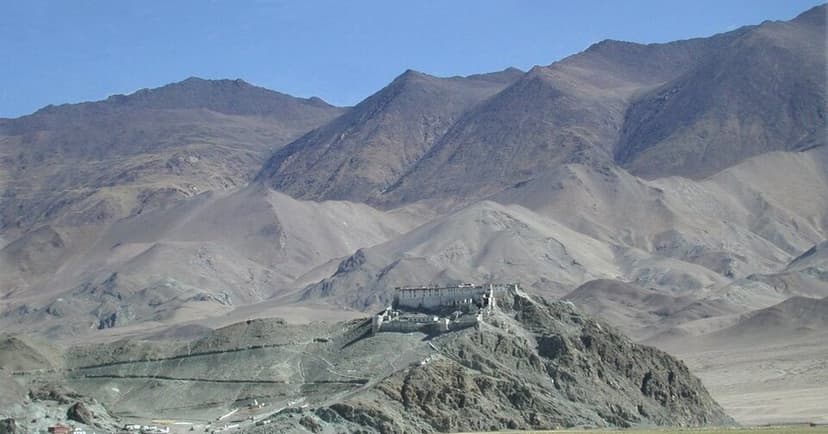
Hanle Monastery is a significant 17th-century gompa belonging to the Drukpa Lineage of Tibetan Buddhism, located in Ladakh, India. It was established under the patronage of Ladakhi King Sengge Namgyal and played a crucial role in the region's religious landscape, serving as a rival to the Gelug school. The monastery is notable for its proximity to the Indian-Chinese border and also houses the Indian Astronomical Observatory.