
Hanle Monastery
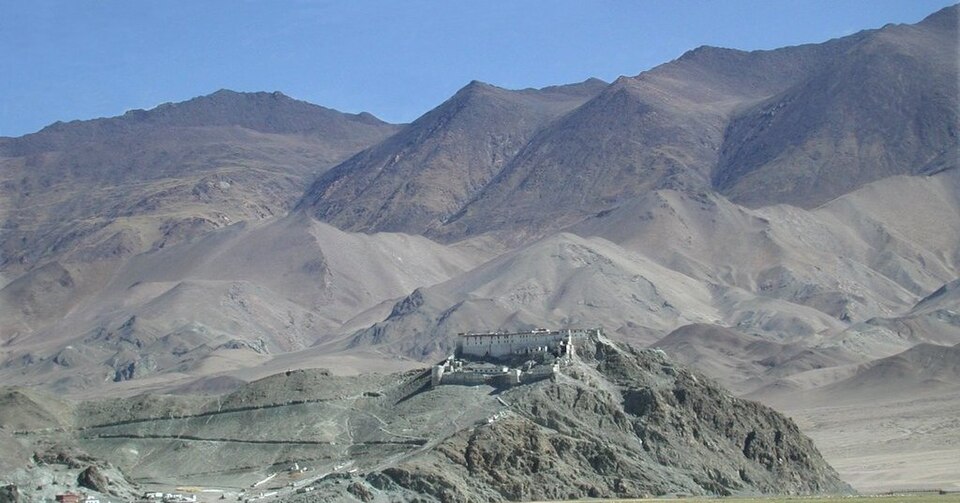
Hanle Monastery is a significant 17th-century gompa belonging to the Drukpa Lineage of Tibetan Buddhism, located in Ladakh, India. It was established under the patronage of Ladakhi King Sengge Namgyal and played a crucial role in the region's religious landscape, serving as a rival to the Gelug school. The monastery is notable for its proximity to the Indian-Chinese border and also houses the Indian Astronomical Observatory.
Key Facts
- ›Founded in the 17th century under the patronage of Ladakhi King Sengge Namgyal.
- ›Belongs to the Drukpa Lineage of the Kagyu school of Tibetan Buddhism.
- ›Was a significant rival to the reformed Gelug school in Ladakh.
- ›Located in the Hanle Valley, Leh district, Ladakh, India.
- ›Houses the Indian Astronomical Observatory.
- ›Its proximity to the Indian-Chinese border necessitates special permits for visitors.
Important Relationships
- Sengge Namgyal
- Taktsang Répa Ngakwang Gyatso
Indian Astronomical Observatory
- King Sengge Namgyal Died At Hanle On His Return From An Expedition Against the Mongols.
About Hanle Monastery
Hanle Monastery is a significant 17th-century gompa, a Tibetan Buddhist monastery, situated in the Hanle Valley of Ladakh, India. It belongs to the Drukpa Lineage of the Kagyu school of Tibetan Buddhism and holds importance as one of the largest and most well-known monasteries in Ladakh. Its establishment was a notable event in the region's religious history, contributing to the Drukpa school's prominence and its role as a rival to the reformed Gelug school.
History and Establishment
The main monastery was constructed under the patronage of King Sengge Namgyal of Ladakh, who reigned from approximately 1616 to 1642 CE. The construction was facilitated by the renowned Tibetan lama and traveler, Taktsang Répa Ngakwang Gyatso. The monastery's location on an old branch of the ancient Ladakh-Tibet trade route further underscores its historical significance. King Sengge Namgyal himself passed away at Hanle upon his return from a campaign against the Mongols.
Religious and Scientific Significance
Hanle Monastery served as a crucial center for the Drukpa Lineage, which, under the patronage of the ruling Namgyal family, became a powerful force in Ladakh. The monastery is home to a small community of monks, supplemented by others who attend for regular prayers. In 1983, outside donations led to the establishment of Tashi Choeling, an "Auspicious Dharma Centre," which provides support for resident nuns. Beyond its religious function, Hanle Monastery is also the location of the Indian Astronomical Observatory, highlighting the area's unique strategic and scientific importance.
Location and Accessibility
The monastery is situated in the Leh district of Ladakh, approximately 255 km southeast of Leh. Its proximity, only 19 kilometers from the disputed border between India and Chinese-controlled Tibet, makes its location highly sensitive. Consequently, visiting both the monastery and the astronomical observatory requires special permission from the government of India.
Source: Wikipedia ↗
Frequently Asked Questions
When was Hanle Monastery founded?
Hanle Monastery was founded in the 17th century. Its establishment was supported by Ladakhi King Sengge Namgyal and the Tibetan lama Taktsang Répa Ngakwang Gyatso.
What Buddhist school does Hanle Monastery belong to?
Hanle Monastery is part of the Drukpa Lineage of the Kagyu school of Tibetan Buddhism. This lineage became very important in Ladakh under the patronage of the Namgyal family.
What is the significance of Hanle Monastery's location?
The monastery is located in the Hanle Valley, which is very close to the disputed frontier between India and Chinese-controlled Tibet. This sensitive location means special permission is required from the Indian government to visit.
Does Hanle Monastery have any other notable functions?
Yes, in addition to being a religious center, Hanle Monastery is also home to the Indian Astronomical Observatory. This dual role highlights the strategic and scientific importance of its location.
How many monks reside at Hanle Monastery?
Historically, the monastery is home to about ten resident monks, with an additional 33 or so coming regularly for prayers. Outside donations in 1983 also established a center for resident nuns.
Related Buddhist Temples

Hemis Monastery
Hemis Monastery is a significant Himalayan Buddhist monastery belonging to the Drukpa Lineage, located in Ladakh, India. It was re-established in 1672 by King Sengge Namgyal and is renowned for its annual Hemis festival, which honors Padmasambhava and features elaborate mask dances.

Kardang Monastery
Kardang Monastery is the most significant Drukpa Lineage monastery in the Lahaul valley, India, with its associated village once serving as the region's capital. Perched on a ridge overlooking the Bhaga River, this large white structure is adorned with prayer flags and houses a vast library of Buddhist scriptures and art.

Korzok Monastery
Korzok Monastery is a significant Tibetan Buddhist monastery of the Drukpa Lineage, situated on the northwestern bank of the sacred Tso Moriri lake in Ladakh, India. Founded approximately 300 years ago by the third Korzok Rinpoche, the monastery serves as a spiritual center for the local nomadic Changpa herdsmen and is home to about seventy monks. It holds a prominent place in the region, having historically been the headquarters of the Rupshu Valley and remaining an active monastic community today.