
Buttsū-ji
Temple·Japan·14th century·Rinzai Zen
Buttsū-ji is a significant Zen Buddhist temple located in Mihara, Hiroshima Prefecture, Japan. It serves as the head temple for one of the fourteen autonomous branches of the Rinzai school of Zen Buddhism, overseeing forty-seven subordinate temples. The temple was founded in 1397 by Kobayakawa Haruhira, the lord of Mihara, and is named in honor of the Chinese master Buttsu Zenji.
Key Facts
- ›Founded in 1397 by Kobayakawa Haruhira, lord of Mihara.
- ›First Abbot was Buttoku Daitsu Zenji.
- ›Named after the Chinese master Buttsu Zenji, its honorary founder.
- ›Head temple of the Buttsū-ji branch of Rinzai Zen Buddhism.
- ›Governs forty-seven other temples within its branch.
- ›Located in Mihara, Hiroshima Prefecture, Japan.

Important Relationships
- Kobayakawa Haruhira
- Buttsu Zenji
- Buttoku Daitsu Zenji
About Buttsū-ji
Buttsū-ji (佛通寺) is a prominent Zen Buddhist temple located in Mihara, Hiroshima Prefecture, Japan. It holds a significant position as the head temple for one of the fourteen autonomous branches of the Rinzai school of Zen Buddhism. The temple's influence extends to governing forty-seven subordinate temples within its network.
History and Founding
The establishment of Buttsū-ji dates back to 1397, with its founding attributed to Kobayakawa Haruhira, the lord of Mihara. The temple derives its name from the Chinese master Buttsu Zenji, who is honored as its founding figure. The first Abbot to lead the temple was Buttoku Daitsu Zenji.
Significance and Affiliation
As the central hub for its Rinzai Zen branch, Buttsū-ji plays a vital role in the tradition's organizational structure and spiritual guidance. Its designation as a head temple underscores its historical importance and administrative authority over a considerable number of other temples.
Location
Situated in Mihara, Hiroshima Prefecture, Buttsū-ji is a key landmark within the region, representing the enduring presence of Zen Buddhism in Japanese culture and history.
Source: Wikipedia ↗
Frequently Asked Questions
When was Buttsū-ji founded?
Buttsū-ji was founded in 1397. It was established by Kobayakawa Haruhira, who was the lord of Mihara at the time.
What school of Buddhism is Buttsū-ji associated with?
Buttsū-ji is the head temple of one of the fourteen autonomous branches of the Rinzai school of Zen Buddhism. This means it plays a central role in the administration and teaching of Rinzai Zen within its branch.
Who is the honorary founder of Buttsū-ji?
The temple is named in honor of the Chinese master Buttsu Zenji, who is considered its honorary founder. His influence is recognized through the temple's name.
How many temples are under Buttsū-ji's governance?
As the head temple of its Rinzai Zen branch, Buttsū-ji governs forty-seven subordinate temples. This indicates its significant hierarchical position within the school.
Related Buddhist Temples
Asgiri Maha Viharaya
Asgiri Maha Viharaya, also known as Asgiriya Temple, is a significant Buddhist monastery in Kandy, Sri Lanka. It serves as the headquarters for the Asgiriya Chapter of the Siyam Nikaya, one of the two monastic orders responsible for the custodianship of the sacred Tooth Relic of the Buddha housed in the Temple of the Tooth (Sri Dalada Maligawa). The monastery plays a crucial role in the administration and religious life of Sri Lankan Buddhism.
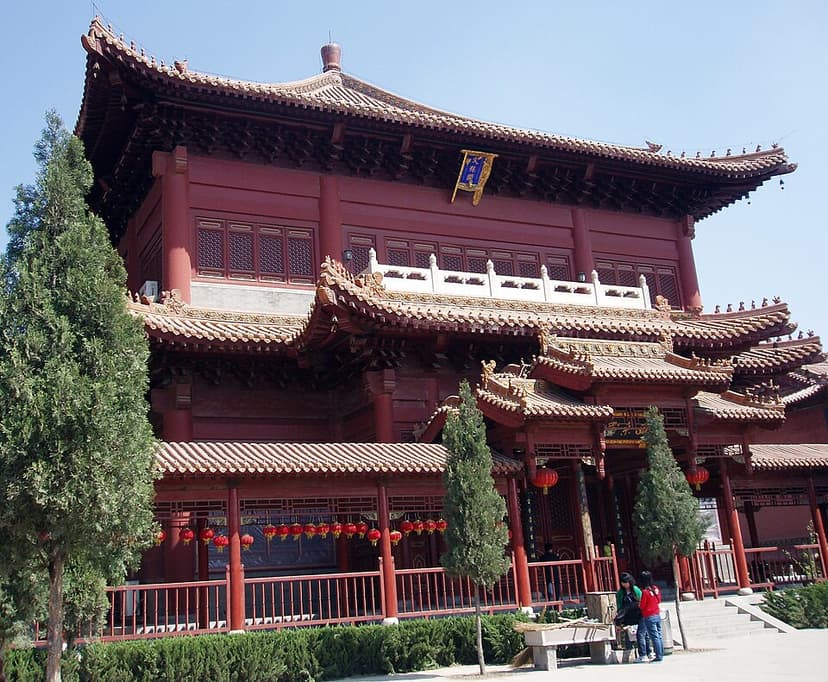
Bailin Temple (Beijing)
Bailin Temple, meaning 'Monastery of the Cypress Grove,' is a significant 14th-century Tibetan Buddhist temple located in Beijing, China. Originally constructed in 1347 during the Yuan Dynasty, it served as a prominent center for the Sakya school before experiencing periods of disrepair and subsequent renovations under various emperors. The temple holds a complete set of printing blocks for the Tripitaka, carved in the early 18th century, which are considered a valuable cultural and religious relic.
Cloud Platform at Juyongguan
The Cloud Platform at Juyongguan is a significant mid-14th-century Buddhist structure located at the Juyongguan Pass of the Great Wall of China. Originally serving as the base for three stupas, it is now celebrated for its intricate Buddhist carvings and multilingual inscriptions, making it a key historical and cultural site.