
St Joseph the Worker Basilica
Brazil·Barbacena·Archdiocese of Mariana
The Basilica of St. Joseph the Worker, also known as the Basilica of Barbacena, is a Catholic church situated in Barbacena, Minas Gerais, Brazil. Originally planned as a smaller version of St. Peter's Basilica, its construction was completed between 1950 and 1958. It was elevated to the status of a basilica on September 25, 1965, and offers a commanding view of the city.
Key Facts
- ›The basilica's construction took place between 1950 and approximately 1958.
- ›Its architectural plan is in the shape of a Greek cross.
- ›It was officially designated as a basilica on September 25, 1965.
- ›The basilica is part of the Archdiocese of Mariana.
- ›Its interior features decorative motifs from the Renaissance and Baroque periods.
- ›It provides a panoramic view of the entire city of Barbacena.
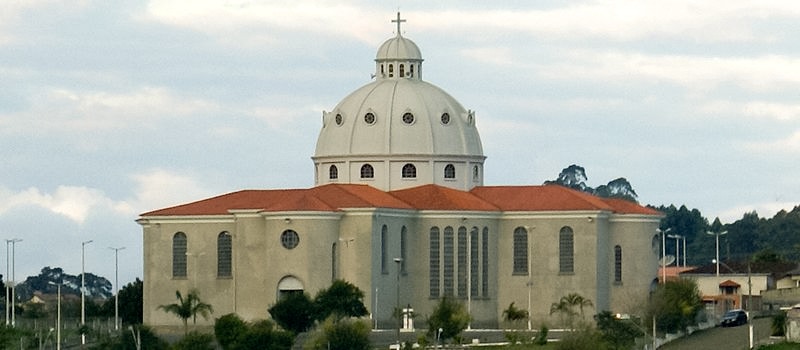
Modern Architecture, Renaissance, Baroque
Joseph the Worker
About St Joseph the Worker Basilica
Basilica of St. Joseph the Worker
The Basilica of St. Joseph the Worker, also known by its Portuguese name Basílica São José Operário or simply the Basilica of Barbacena, is a significant Catholic church located in the city of Barbacena, within the state of Minas Gerais, Brazil. Its construction commenced in 1950 and was substantially completed by 1958. The basilica's architectural design is notable for its Greek cross plan, a shape that has been a common feature in church architecture throughout history.
Elevation to Basilica Status
On September 25, 1965, the church was elevated to the ecclesiastical status of a basilica by papal decree. This designation signifies a special honor and connection to the Holy See. The basilica is officially registered under Municipal Decree No. 3908, dated May 21, 1999. It falls under the jurisdiction of the Archdiocese of Mariana, and its current parish priest is Canon Antonio Eustaquio Barbosa.
Architectural Features and Context
Historically, the initial concept for the Basilica of St. Joseph the Worker was to create a smaller replica of the renowned St. Peter's Basilica in Vatican City, Rome. However, practical considerations, likely related to funding, led to the adoption of the Greek cross layout instead. While the exterior presents a modern architectural style, the interior is adorned with decorative elements and motifs that draw inspiration from the Renaissance and Baroque periods. The basilica is also recognized for its advantageous position within the city, offering a commanding and unobstructed view of Barbacena, making it visible from many vantage points throughout the urban landscape.
Source: Wikipedia ↗
Frequently Asked Questions
Where is the Basilica of St. Joseph the Worker located?
The Basilica of St. Joseph the Worker is located in Barbacena, Minas Gerais, Brazil. It is a prominent landmark within the city.
When was the Basilica of St. Joseph the Worker built?
Construction of the basilica began in 1950 and was completed around 1958. It was later elevated to basilica status in 1965.
What is the architectural style of the Basilica of St. Joseph the Worker?
The basilica exhibits modern architecture, though its interior is decorated with motifs inspired by the Renaissance and Baroque periods. Its overall plan is shaped like a Greek cross.
What was the original intention for the Basilica of St. Joseph the Worker?
The basilica was initially conceived as a smaller replica of St. Peter's Basilica in the Vatican. However, due to financial constraints, this grander vision was not fully realized.
To which archdiocese does the Basilica of St. Joseph the Worker belong?
The Basilica of St. Joseph the Worker belongs to the Archdiocese of Mariana. The current parish priest is Canon Antonio Eustaquio Barbosa.
Related Basilicas
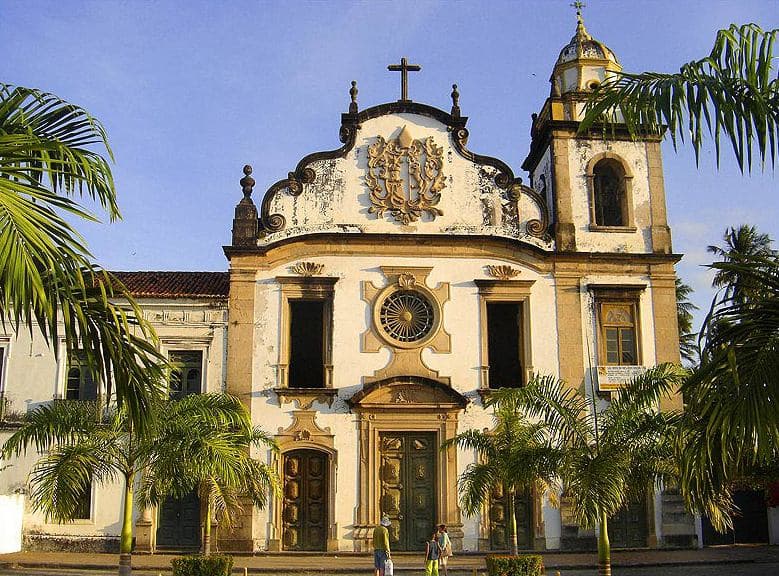
Abbatial Basilica of the Monastery of St Benedict
The Basilica and Monastery of St. Benedict is a significant Baroque architectural complex in Olinda, Pernambuco, Brazil. It is part of the historic center of the city, which is recognized as a UNESCO World Heritage Site. The basilica holds importance for its historical roots in Portuguese colonization and its elevated status as a Minor Basilica.

Basilica of Our Lady of Nazareth of Exile
The Basilica of Our Lady of Nazareth of Exile, also known as the Basilica of Belém, is a minor basilica of the Catholic Church located in Belém, Pará, Brazil. Construction began in 1909 on the site where the image of the Virgin of Nazareth was discovered. The basilica is notable for its Neoclassical design, commissioned by Barnabite priests and inspired by the Basilica of Saint Paul Outside the Walls in Rome, though it controversially lacked steeples in its original plan.

Basilica of the Eternal Divine Father
The Basilica of the Eternal Divine Father, also known as the Basilica of the Divine Eternal Father, is a Catholic shrine and minor basilica located in Trindade, Goiás, Brazil. It holds the distinction of being the world's only minor basilica dedicated to God the Father. The basilica's origins trace back to a small chapel built around 1848, evolving over time through several structures to the current edifice, which was elevated to minor basilica status by Pope Benedict XVI in 2006.