
Our Lady of Carmel Basilica
Brazil·Campinas
The Basilica of Our Lady of Carmel, also known as the Basilica of Campinas, is a significant religious landmark in Campinas, São Paulo, Brazil. It originated as the city's main church, around which Campinas developed, and has undergone several architectural transformations, with the current structure inspired by neo-Gothic style.
Key Facts
- ›Construction of the original church began on July 14, 1774, coinciding with the founding of the parish and city of Campinas.
- ›The initial structure was a temporary, straw-covered church that served until the definitive mother church was completed in 1781.
- ›This church served as the seat of the parish of our Lady of the Conception during the colonial period and the Empire of Brazil.
- ›The 'old matrix' was largely demolished in the 1920s to make way for the current neo-Gothic inspired building.
- ›The current basilica's design draws inspiration from the neo-Gothic architectural style.
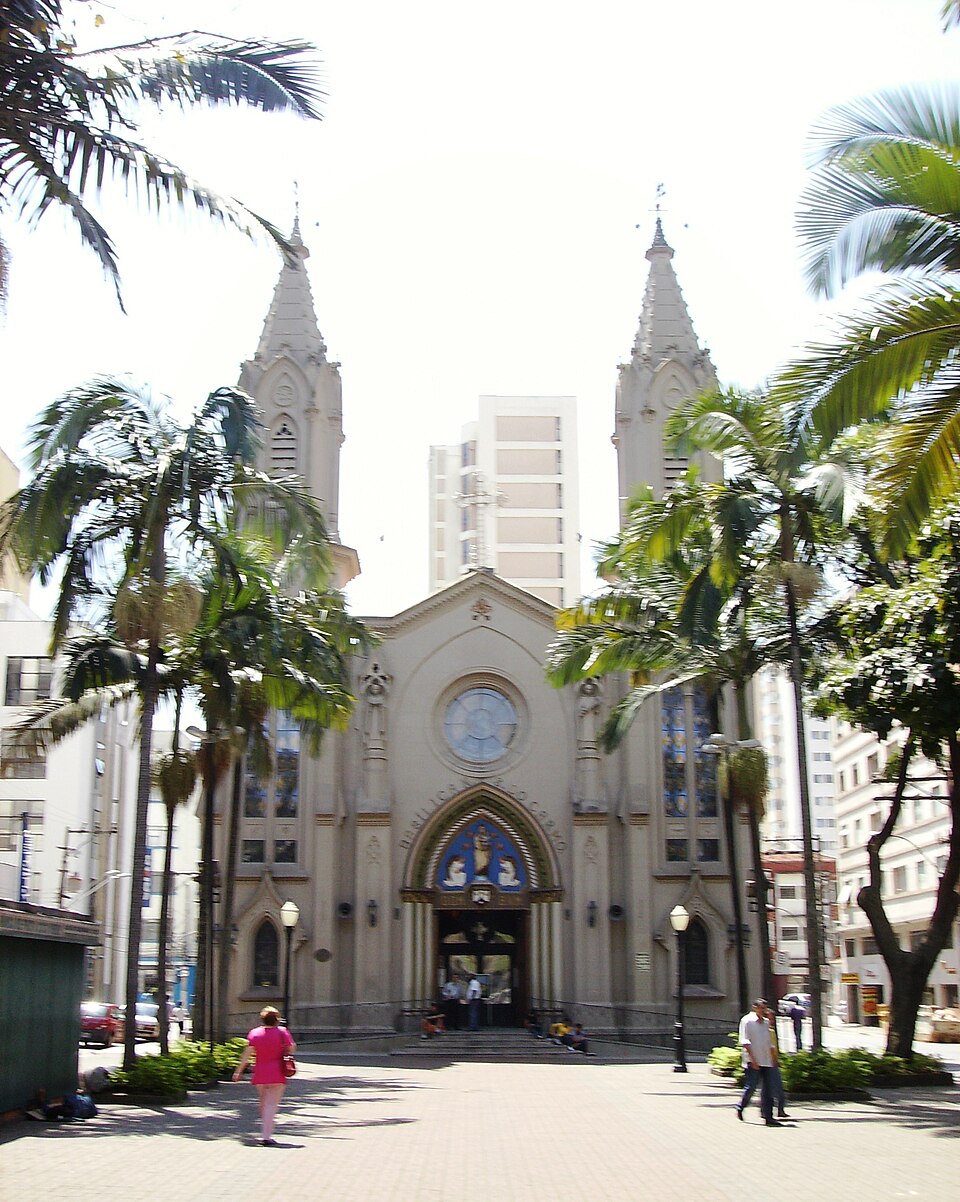
Neo-Gothic
Our Lady of Carmel
About Our Lady of Carmel Basilica
Basilica of Our Lady of Carmel
The Basilica of Our Lady of Carmel, also known as the Basilica of Campinas, is a prominent church located in the Largo do Carmo sector in the center of Campinas, São Paulo, Brazil. It holds historical significance as the original main church of the city, around which Campinas itself developed.
Early History and Development
The foundation of the parish and the city of Campinas is marked by the beginning of the original building on July 14, 1774. This initial structure was a temporary matrix, covered with straw, and served from the city's founding until the completion of a definitive mother church on July 25, 1781. This church was known as the seat of the parish of Our Lady of the Conception and played a role during both the colonial era and the Empire of Brazil.
Reconstruction and Neo-Gothic Style
In the 1920s, the 'old matrix' church underwent a significant transformation. It was largely demolished, with the exception of its main altar and towers, to make way for the construction of the existing church. The architectural design of the current basilica is inspired by the neo-Gothic style, giving it a distinct appearance that reflects a later period of architectural influence.
Source: Wikipedia ↗
Frequently Asked Questions
When was the Basilica of Our Lady of Carmel founded?
The founding of the parish and the city of Campinas, which included the start of the original church's construction, took place on July 14, 1774.
What was the original purpose of the Basilica of Our Lady of Carmel?
Originally, it served as the main church of Campinas, and the city developed around it. It was the seat of the parish of Our Lady of the Conception.
What architectural style is the current Basilica of Our Lady of Carmel?
The current church, built in the 1920s, is inspired by the neo-Gothic architectural style.
What happened to the original church building?
The original 'old matrix' church was almost entirely destroyed in the 1920s to facilitate the construction of the present-day basilica, with the exception of the main altar and the towers.
Related Basilicas

Basilica Shrine of Our Lady of the Immaculate Conception
The Basilica Shrine of Our Lady of the Immaculate Conception, also known as the Basilica Sanctuary of Our Lady of the Conception, is a prominent Roman Catholic church located in Caconde, São Paulo, Brazil. It serves as the seat of the Roman Catholic Diocese of São João da Boa Vista and holds significant religious importance as the second oldest parish in the diocese, dedicated to Our Lady of Good Success.

Cathedral Basilica of the National Shrine of Our Lady Aparecida
The Cathedral Basilica of the National Shrine of Our Lady Aparecida is a significant Catholic basilica located in Aparecida, Brazil, dedicated to Our Lady of the Immaculate Conception Aparecida, the patroness of Brazil. It is recognized as the largest cathedral in the world and the second-largest Catholic church globally by interior area and volume, serving as the seat of the Archdiocese of Aparecida.

Cathedral Basilica of Our Lady of Glory
The Cathedral Basilica of Our Lady of Glory, also known as the Cathedral of Maringá, is a prominent Roman Catholic cathedral in Maringá, Paraná, Brazil. Completed in 1972, it stands as the tallest church building in the Americas and is recognized globally as the 18th tallest in the world, a testament to its significant architectural scale.