
Lilienfeld Abbey Church
Austria·Lilienfeld
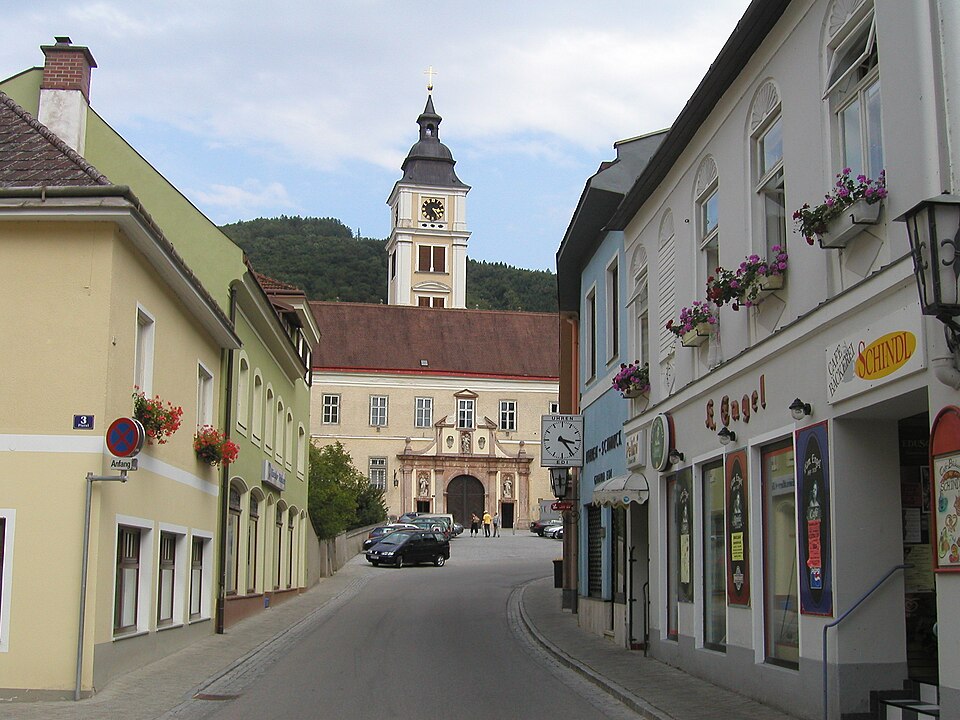
Lilienfeld Abbey Church is a historic Cistercian monastery located in Lilienfeld, Lower Austria. Founded in 1202, it served as a significant religious and political center, with successive abbots acting as councillors to Austrian rulers. In 1976, Pope Paul VI designated the abbey church as a "basilica minor," recognizing its religious importance.
Key Facts
- ›Founded in 1202 by Leopold VI, Duke of Austria and Styria, as a daughter house of Heiligenkreuz Abbey.
- ›Abbots played a significant role as councillors to Austrian rulers, contributing to the abbey's wealth.
- ›The monastery was fortified by Abbot Matthew Kollweis in 1683 during the Turkish advance on Vienna.
- ›Medieval buildings were expanded with Baroque additions in the 17th century, and the church interior was refurbished in the Baroque style in the early 18th century.
- ›Suppressed by Emperor Joseph II in 1789, it was reopened by Emperor Leopold II in 1790.
- ›Designated a basilica minor by Pope Paul VI in 1976.
Baroque
Cistercians
About Lilienfeld Abbey Church
Lilienfeld Abbey Church, located in Lilienfeld, Lower Austria, is a significant Cistercian monastery with a history stretching back over eight centuries. Founded in 1202 by Leopold VI, Duke of Austria and Styria, it was established as a daughter house of Heiligenkreuz Abbey. The abbey's strategic importance grew over time, with successive abbots serving as councillors to the rulers of Austria, which in turn led to the abbey's considerable wealth.
Historical Development and Architectural Evolution
The abbey's medieval structures were significantly enhanced by Baroque additions during the 17th century. Further renovations in the first half of the 18th century saw the tower, library, and the interior of the church, along with its furnishings, redecorated in the Baroque style. During the Turkish advance on Vienna in 1683, Abbot Matthew Kollweis fortified the monastery, establishing a garrison and providing refuge for many fugitives.
Suppression, Rebuilding, and Recognition
Emperor Joseph II suppressed the abbey in 1789, leading to the removal of its library, archives, and portable valuables. However, following Joseph II's death, Emperor Leopold II reopened the abbey in 1790. A major fire in 1810 destroyed a large portion of the abbey, but it was subsequently rebuilt under the leadership of Abbot Johann Ladislaus Pyrker. In recognition of its enduring religious significance, Pope Paul VI declared the abbey church a "basilica minor" in 1976.
Current Affiliation and Activities
Lilienfeld Abbey remains an active Cistercian monastery, belonging to the Cistercians of the Common Observance and part of the Austrian Congregation. Since the early 1980s, the abbey has also been a venue for the Sommerakademie Lilienfeld, a summer music academy that attracts international students and renowned teachers, culminating in several concerts performed by participants.
Source: Wikipedia ↗
Frequently Asked Questions
When was Lilienfeld Abbey founded?
Lilienfeld Abbey was founded in the year 1202. It was established by Leopold VI, Duke of Austria and Styria.
What is the architectural style of Lilienfeld Abbey Church?
While originally medieval, the abbey underwent significant Baroque additions in the 17th century, with the tower, library, and church interior being refurbished in the Baroque style in the first half of the 18th century.
What is the significance of the 'basilica minor' designation?
The designation of 'basilica minor' was conferred upon Lilienfeld Abbey Church in 1976 by Pope Paul VI. This title recognizes the church's religious importance and special status within the Catholic Church.
What happened to Lilienfeld Abbey during the Turkish advance on Vienna?
During the Turkish advance in 1683, Abbot Matthew Kollweis transformed the monastery into a fortress. He installed a garrison and provided shelter for numerous fugitives.
Has the abbey suffered any major damage?
Much of the abbey was destroyed by a fire in 1810. It was subsequently rebuilt under Abbot Johann Ladislaus Pyrker.
What religious order is associated with Lilienfeld Abbey?
Lilienfeld Abbey is a Cistercian monastery. The community belongs to the Cistercians of the Common Observance and is part of the Austrian Congregation.
Related Basilicas

Basilica of Our Lady, Geras Abbey
The Basilica of Our Lady, Geras Abbey, is a Premonstratensian monastery church located in Geras, Lower Austria. Originally a Romanesque basilica, it was significantly reworked in the Baroque style in the 18th century. It was elevated to the status of a minor basilica in 1953 and remains an active religious and cultural site, often hosting classical music recitals.

Basilica of Our Lady, Klosterneuburg Monastery
The Basilica of Our Lady, Klosterneuburg Monastery, also known as Stift Klosterneuburg, is a significant Augustinian monastery and basilica located in Lower Austria. Founded in 1114, it is renowned for its historical depth, architectural evolution from Romanesque to Baroque and Neo-Gothic styles, and its housing of the celebrated Verduner Altar.

Basilica of the Nativity of Mary
The Mariazell Basilica, also known as Basilica Mariä Geburt, is Austria's most significant Christian pilgrimage site and a major European shrine. It houses a venerated miraculous wooden image of the Virgin Mary and was elevated to the status of a minor basilica by Pope Pius X in 1907. The basilica is also recognized as the national shrine for all German-speaking countries.