
Ex-Cathedral Basilica of St Isidore
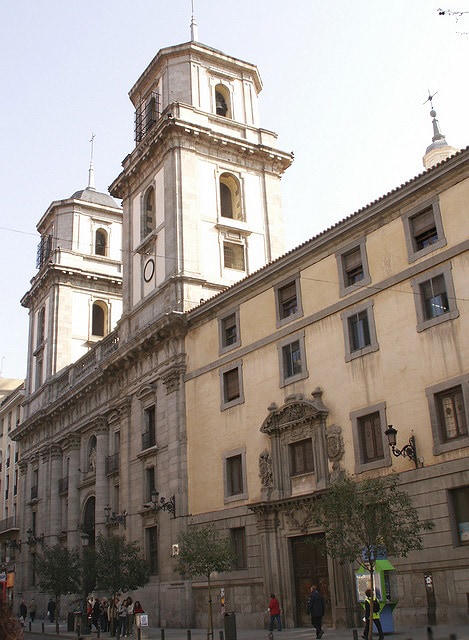
The Ex-Cathedral Basilica of St Isidore, also known as the Colegiata, is a Baroque Catholic church located in Madrid, Spain. It is significant for housing the relics of Saint Isidore, the patron saint of Madrid, and his wife, Saint Mary of the Head. The church has held the status of a minor basilica for centuries and played a role as Madrid's pro-cathedral before the completion of Almudena Cathedral.
Key Facts
- ›The church replaced a 16th-century parish church demolished to make way for the Imperial College.
- ›Construction began in 1622, with its consecration occurring in 1651, thirteen years before completion in 1664.
- ›It was initially dedicated to Saint Francis Xavier and associated with the Jesuits before being rededicated to Saint Isidore in 1769.
- ›The interior was later reworked by architect Ventura Rodríguez, who designed a new high altar and chancel.
- ›The basilica served as Madrid's pro-cathedral from 1885 until 1993.
- ›It suffered significant damage from a fire during the Spanish CIVIL War in 1936, leading to a restoration project that lasted two decades.
Baroque
Saint Isidore, Saint Mary of the Head, Saint Francis Xavier
Relics of Saint Isidore, Relics of Saint Mary of the Head
Society of Jesus
Pedro SáNchez, Francisco Bautista, Melchor De Bueras, Ventura RodríGuez, Javier Barroso
About Ex-Cathedral Basilica of St Isidore
The Ex-Cathedral Basilica of St Isidore, commonly referred to as the Colegiata, is a significant Baroque Catholic church situated in the heart of Madrid, Spain. It holds a prominent place in the city's religious and historical landscape, primarily due to its dedication to and preservation of the relics of Saint Isidore, the esteemed patron saint of Madrid, and his wife, Saint Mary of the Head.
History and Construction
The current edifice replaced a 16th-century parish church dedicated to Saints Peter and Paul, which was demolished to accommodate the Imperial College, as stipulated by Maria of Austria. The construction of the Colegiata was initiated in 1620, with architect Pedro Sánchez designing the building. Work commenced two years later and continued under Sánchez until his death in 1633. The project was subsequently carried on by Francisco Bautista and Melchor de Bueras, with the church's completion in 1664. Despite its completion date, the church was consecrated earlier, on September 23, 1651.
Initially, the church was dedicated to Saint Francis Xavier, a prominent early member of the Society of Jesus, and was closely associated with the order. However, following the expulsion of the Jesuits in 1767, it transitioned to a collegiate church. Two years later, in 1769, the church was rededicated to Saint Isidore to commemorate the translation of the saint's relics from the Church of Saint Andrew. The relics of Saint Mary of the Head were also transferred at this time. The interior underwent significant reworking by the renowned architect Ventura Rodríguez, who was responsible for a new, highly decorative high altar and chancel.
Role as Pro-Cathedral and Later Events
With the establishment of the Roman Catholic Archdiocese of Madrid, the church was elevated to the status of pro-cathedral in 1885. It maintained this rank until the completion of the present Almudena Cathedral in 1993, after which San Isidro reverted to its collegiate status. During its time as pro-cathedral, the church also housed important religious artworks, including the Holy Christ of the Good Death, along with depictions of the Blessed Virgin Mary and Saint Isidore, all created by Juan de Mesa.
A devastating fire occurred in 1936 at the outbreak of the Spanish Civil War, severely damaging the building. The fire caused the dome to collapse and destroyed numerous works of art, including the meticulously designed Rodríguez high altar and paintings by Luca Giordano Ricci.
Restoration and Modern Day
Following the Spanish Civil War, the church underwent an extensive restoration process that spanned two decades. The restoration efforts focused on recreating the original features of the basilica, including a faithful replica of the Rodríguez high altar. The project concluded in the 1960s with the addition of a new section to the façade towers, designed by architect Javier Barroso.
Another notable aspect of the church's preservation is the restoration of the Chapel of Our Lady of Mount Carmel, also known as "Our Lady of the Sailors Chapel." This restoration was notably funded by the British Embassy in Madrid, with the Coat-of-Arms of the United Kingdom prominently displayed above the altar.
Source: Wikipedia ↗
Frequently Asked Questions
What is the Ex-Cathedral Basilica of St Isidore?
The Ex-Cathedral Basilica of St Isidore, also known as the Colegiata, is a Baroque Catholic church in Madrid, Spain. It is dedicated to Saint Isidore, the patron saint of Madrid, and houses his relics along with those of his wife, Saint Mary of the Head.
When was the Ex-Cathedral Basilica of St Isidore built?
Construction of the church began in 1622. It was consecrated on September 23, 1651, and the building was completed in 1664.
What is the religious significance of the Ex-Cathedral Basilica of St Isidore?
The basilica is significant as it holds the relics of Saint Isidore, the patron saint of Madrid, and his wife, Saint Mary of the Head. It has also held the status of a minor basilica for centuries and served as Madrid's pro-cathedral for over a century.
What happened to the basilica during the Spanish Civil War?
In 1936, at the outbreak of the Spanish Civil War, the building caught fire. This incident caused the dome to collapse and destroyed many of its artworks, including the high altar designed by Ventura Rodríguez.
Has the basilica been restored?
Yes, after the Spanish Civil War, the church underwent a painstaking restoration process over two decades. This meticulous work aimed to recreate its original features, including a faithful replica of the Rodríguez high altar.
What architectural style is the Ex-Cathedral Basilica of St Isidore?
The basilica is primarily described as being in the Baroque style. Its interior was later reworked by Ventura Rodríguez, who added a decorative high altar and chancel.
Related Basilicas

Pontifical Basilica of St Michael
The Pontifical Basilica of Saint Michael is a Baroque Catholic church and minor basilica located in Madrid, Spain. It serves as the church of the Apostolic Nunciature to the Kingdom of Spain and is administered by priests of Opus Dei. Pope Pius XI elevated the shrine to the status of a minor basilica in 1930.

Royal Basilica of Our Lady of Atocha
The Royal Basilica of Our Lady of Atocha is a prominent church located in central Madrid, Spain, and is administered by the Dominican order. Its history is tied to a lost icon found among tall grasses, giving it its name, and it has undergone significant reconstruction after destruction during the Spanish Civil War.
Royal Basilica of St Francis the Great
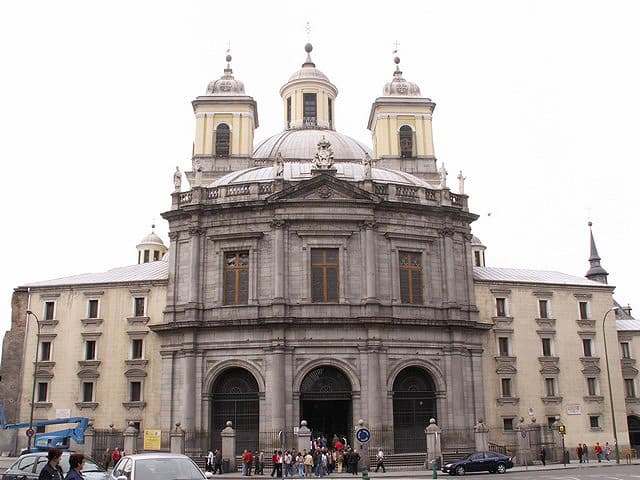
The Royal Basilica of Saint Francis the Great is a prominent Roman Catholic basilica located in central Madrid, Spain, within the Palacio neighborhood. It forms part of a Franciscan convent and is renowned for its significant Neoclassic architecture, particularly its dome which is among the largest in Europe, and its collection of Spanish art. The basilica has a rich history, having served as a National Pantheon and housing the remains of notable figures.