
Collegiate Basilica of St Mary
Spain·Xàtiva
The Collegiate Basilica of Santa Maria of Xàtiva, also known as La Seu, is the main church of Xàtiva, Valencia, Spain. Its construction began in 1596, and it holds significance as the burial place for several members of the House of Borgia. The basilica also features a museum displaying artworks related to the Borgia family, including an altarpiece and a silver chalice.
Key Facts
- ›Construction of the Collegiate Basilica of Santa Maria of Xàtiva began in 1596.
- ›It is the principal church of the city of Xàtiva in Valencia, Spain.
- ›The basilica serves as a burial site for members of the House of Borgia.
- ›A museum within the basilica exhibits artworks of the Borgia family.
- ›Notable items in the museum include an altarpiece by Cardinal Alfonso Borgia and a silver chalice belonging to Pope Calixtus III.
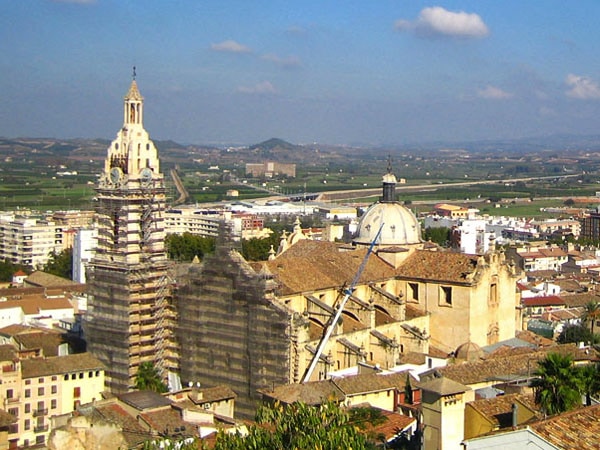
About Collegiate Basilica of St Mary
Collegiate Basilica of Santa Maria of Xàtiva
The Collegiate Basilica of Santa Maria of Xàtiva, often referred to as La Seu, stands as the principal church in the city of Xàtiva, located in the Valencia region of Spain. Its construction began in 1596, marking the start of a significant religious and architectural landmark for the city.
Historical Significance and Borgia Connections
This basilica holds particular historical importance due to its association with the prominent House of Borgia. It serves as a burial place for various members of this influential family. Complementing its funerary role, the basilica houses a museum that showcases significant artworks connected to the Borgias. Among these exhibits are the altarpiece of Cardinal Alfonso Borgia and a notable silver chalice bearing the name of Pope Calixtus III, offering a glimpse into the family's legacy and patronage.
Architectural and Religious Context
While specific architectural styles are not detailed, the commencement of construction in the late 16th century places it within a period of evolving architectural trends in Spain. As the principal church of Xàtiva, La Seu functions as a central hub for religious life and community gatherings. The presence of Borgia family artifacts within its museum adds a unique layer of historical and cultural interest, drawing connections to a well-known European dynasty.
Source: Wikipedia ↗
Frequently Asked Questions
What is the Collegiate Basilica of Santa Maria of Xàtiva also known as?
The Collegiate Basilica of Santa Maria of Xàtiva is also known by the name La Seu. This is a common designation for significant churches in Spanish-speaking regions.
When did construction of the basilica begin?
The construction of the Collegiate Basilica of Santa Maria of Xàtiva commenced in the year 1596. The building process would have spanned several years to reach completion.
What is the historical connection of the Borgia family to this basilica?
The Collegiate Basilica of Santa Maria of Xàtiva is significant for being the burial place of various members of the House of Borgia. Their presence here highlights the family's historical ties to the region.
What can be seen in the basilica's museum?
The museum within the Collegiate Basilica of Santa Maria of Xàtiva displays artworks related to the Borgia family. Visitors can view the altarpiece of Cardinal Alfonso Borgia and a silver chalice inscribed with the name of Pope Calixtus III, among other pieces.
Related Basilicas

Basilica Co-cathedral of St. Mary
The Co-Cathedral of Saint Mary of Vigo, also known locally as A Colexiata, is a Spanish Baroque/Neoclassical Catholic temple serving as a co-cathedral for the Diocese of Tui-Vigo. Its current structure was largely rebuilt in the 19th century following damage from historical events, including an explosion in 1809, and it was designated a basilica by the Vatican in 2020.
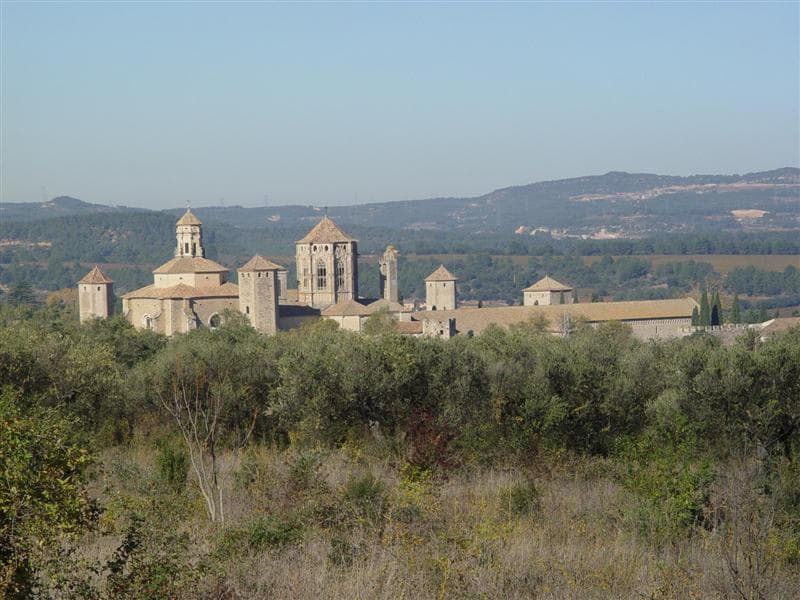
Basilica of St Mary of Poblet, Royal Monastery of Poblet
The Royal Abbey of Santa Maria de Poblet, commonly known as Poblet Abbey, is a significant Cistercian monastery in Catalonia, Spain, founded in 1151. It served as a royal pantheon for the kings of the Crown of Aragon and was a major religious and economic center, housing over 300 monks at its peak. Despite periods of ruin and rebuilding, it remains a UNESCO World Heritage Site and an active monastic community.
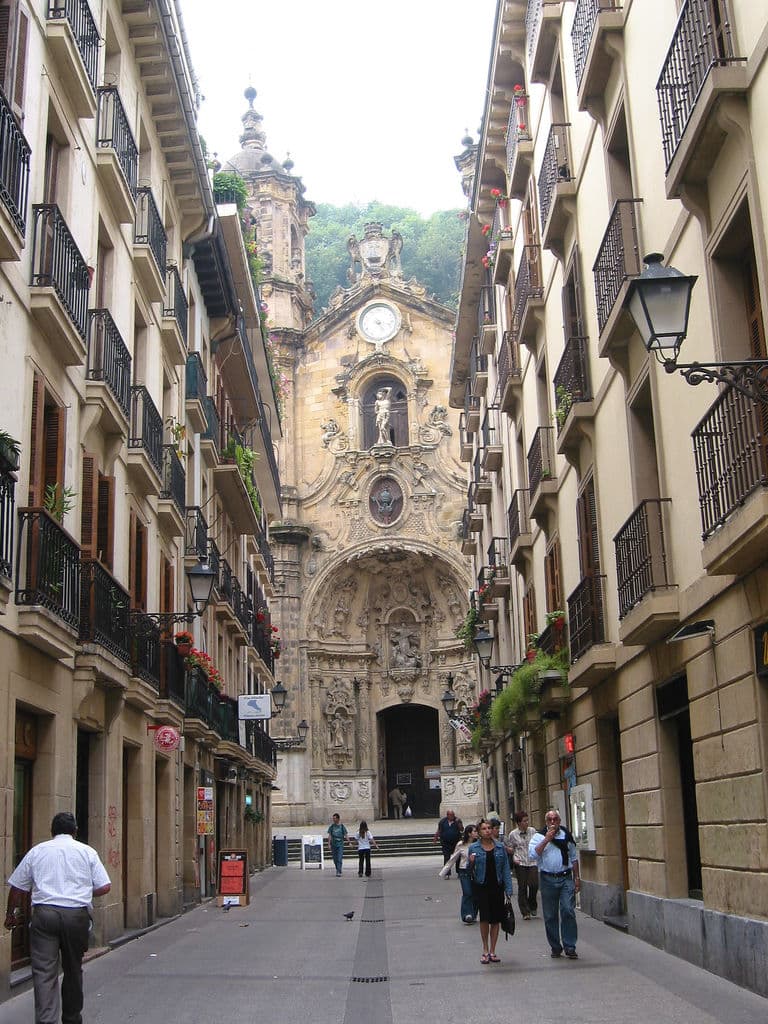
Basilica of St Mary of the Chorus
The Basilica of Saint Mary of Coro is a Baroque Roman Catholic parish church and minor basilica located in the Old Town of San Sebastián, Spain. Completed in 1774, it is distinguished by its altarpiece-like main entrance adorned with the figure of Saint Sebastian and symbols of its basilica status.