
Cathedral Basilica of the Holy Cross and St Eulalia
The Cathedral Basilica of the Holy Cross and Saint Eulalia, commonly known as Barcelona Cathedral, is the principal church of the Archdiocese of Barcelona. Constructed primarily between the 13th and 15th centuries, its Catalan Gothic architecture is characterized by expansive interior spaces and balanced proportions, rather than soaring heights. It is significant for housing the relics of Saint Eulalia and for its historical role in significant events, including hosting chapters of the Order of the Golden Fleece.
Key Facts
- ›Construction of the present Gothic cathedral began in 1298 and was largely completed by 1448, with a neo-Gothic façade added in the late 19th and early 20th centuries.
- ›The cathedral is dedicated to the Holy Cross and Saint Eulalia of Barcelona, a virgin martyr whose relics are entombed in the crypt.
- ›Its architecture is a prime example of Catalan Gothic style, featuring five naves, a truncated transept, and a chevet with radiating chapels.
- ›The cloister, completed in 1448, encloses the Well of the Geese and houses 13 white geese, symbolizing Saint Eulalia's age at martyrdom.
- ›It served as a site for chapters of the Order of the Golden Fleece under Charles V, with significant artistic contributions for the ceremonies.
- ›The Chapel of the Holy Sacrament and of the Holy Christ of Lepanto contains a crucifix legendarily associated with the Battle of Lepanto in 1571.

Catalan Gothic, Neo-Gothic
Holy Cross, Eulalia of Barcelona
Relics of Saint Eulalia, Holy Christ of Lepanto Crucifix
Carlí, Josep Oriol Mestres, Miguel Girona I Agrafel
About Cathedral Basilica of the Holy Cross and St Eulalia
Cathedral Basilica of the Holy Cross and Saint Eulalia
The Cathedral Basilica of the Holy Cross and Saint Eulalia, more commonly referred to as Barcelona Cathedral, serves as the seat of the Archbishop of Barcelona in Catalonia, Spain. Its construction spanned from the thirteenth to the fifteenth centuries, with the majority of the principal work occurring in the fourteenth century. The cloister, a notable feature enclosing the Well of the Geese, was finished in 1448. Later, in the late nineteenth century, a neo-Gothic façade was added, replacing a more common and less ornate exterior found in many Catalan churches of the era.
Architectural Design and Features
The cathedral's architectural design is a significant example of the regional Catalan Gothic style. This style is characterized by its emphasis on diaphanous interior spaces and large, spanning naves, prioritizing a balance of structural dimensions over extreme height. The building measures 93 meters in length, 40 meters in width, and its central nave reaches a height of 28 meters. It features three naves, a choir, and a cloister, with the aisle naves constructed at disproportioned heights to support the central nave and cimborio. Each aisle section contains two chapels, and large windows open to the cloister, allowing sunlight into the choir. A windowed gallery above the chapels provides indirect illumination. The cathedral's façade, completed in the neo-Gothic style, is adorned with sculptural gargoyles and various animal and mythical figures.
History and Religious Significance
The site has a long ecclesiastical history, with parts of an early Christian and Visigothic complex dating back to the fourth and fifth centuries. The current Gothic cathedral was initiated on the foundations of these previous churches on May 1, 1298, during the reign of James II of Aragon and the episcopacy of Bernat Pelegrí. The cathedral is dedicated to the Holy Cross and Saint Eulalia of Barcelona, a young virgin martyr from Roman times. According to tradition, she suffered a brutal martyrdom, and her relics are entombed within the cathedral's crypt. The choir stalls still display the coats-of-arms of the knights of the Order of the Golden Fleece, a testament to the cathedral's historical role in hosting significant ceremonies for the order under Charles V.
Notable Chapels and Traditions
Among its notable chapels is the Chapel of the Holy Sacrament and of the Holy Christ of Lepanto, which houses a crucifix legendarily said to date from the time of the Battle of Lepanto in 1571. The chapel itself was rebuilt in the seventeenth century. The cathedral also maintains the tradition of the 'dancing egg' on the day of Corpus Christi, a unique observance supported by a fountain's water jet. The cloister is also known for keeping 13 white geese, a symbolic number referencing Saint Eulalia's age at the time of her martyrdom.
Source: Wikipedia ↗
Frequently Asked Questions
What is the Barcelona Cathedral dedicated to?
The cathedral is dedicated to the Holy Cross and Saint Eulalia of Barcelona. Saint Eulalia is a young virgin martyr who suffered martyrdom in the city during Roman times, and her relics are entombed in the cathedral's crypt.
What is the architectural style of the Barcelona Cathedral?
The cathedral is built in the Catalan Gothic style, which is characterized by diaphanous areas, large spanning naves, and a balance of structural dimensions rather than extreme height. The façade was completed in a neo-Gothic style in the late 19th and early 20th centuries.
When was the Barcelona Cathedral built?
Construction of the present Gothic cathedral began on May 1, 1298, and the cloister was completed in 1448, marking a construction period of approximately 150 years. The neo-Gothic façade was added much later, from the late 19th century to 1913.
What is significant about the cloister?
The Gothic cloister, completed in 1448, is a secluded area that encloses the Well of the Geese. It is notable for housing 13 white geese, a number said to correspond to the age of Saint Eulalia when she was martyred.
Are there any notable relics or artifacts in the cathedral?
Yes, the cathedral houses the relics of Saint Eulalia in its crypt. Additionally, the Chapel of the Holy Sacrament and of the Holy Christ of Lepanto contains a cross that is legendarily connected to the Battle of Lepanto in 1571.
What is the tradition of the 'dancing egg'?
On the day of Corpus Christi, the cathedral observes the tradition of the 'dancing egg.' This custom involves an egg that appears to dance, supported by the jet of a fountain.
Related Basilicas

Basilica and Expiatory Church of the Holy Family
The Basilica and Expiatory Church of the Holy Family (Sagrada Família) is a Roman Catholic church in Barcelona, Spain, renowned for its complex and unique design by Antoni Gaudí. Construction began in 1882, and Gaudí dedicated his life to the project, transforming it with a blend of Gothic and Art Nouveau styles. It is the tallest church in the world, with its central tower reaching 172.5 meters, and parts of it have been designated a UNESCO World Heritage Site.
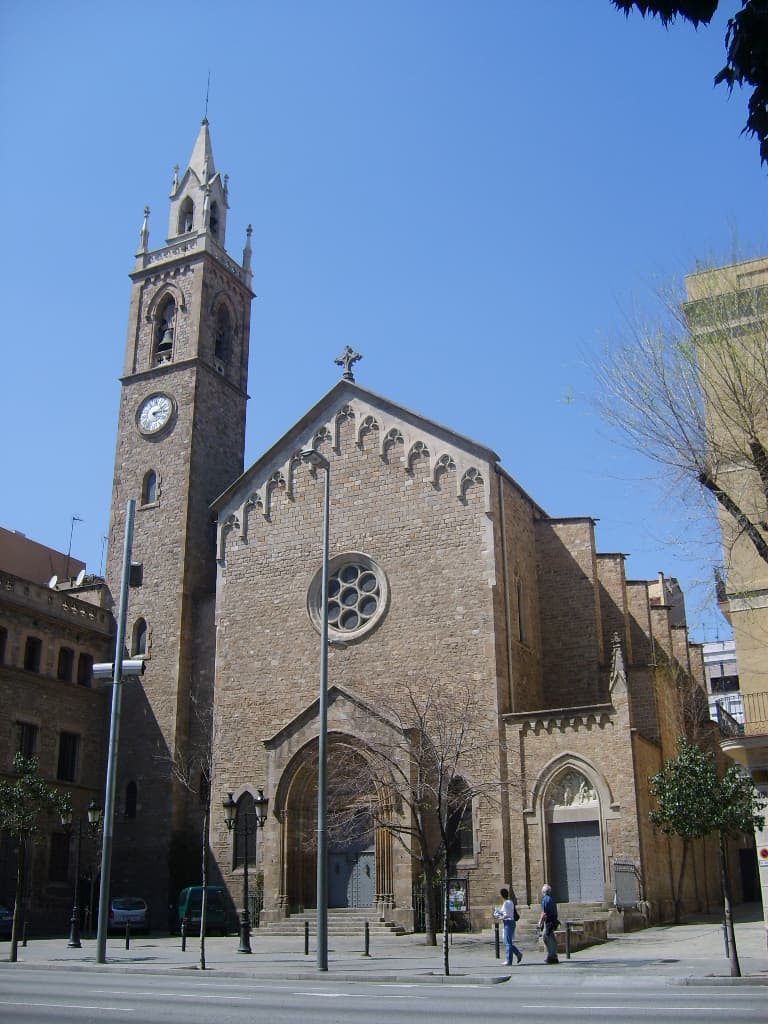
Basilica of the Purest Conception
The Basilica of the Immaculate Conception and Assumption of Our Lady in Barcelona originated from the Jonqueres Monastery, which was relocated stone by stone to preserve its structure. It was later enhanced with a bell tower from another demolished church and a historicist rectory. Pope Benedict XVI designated it a minor basilica in 2009, making it the eighth basilica in Barcelona.
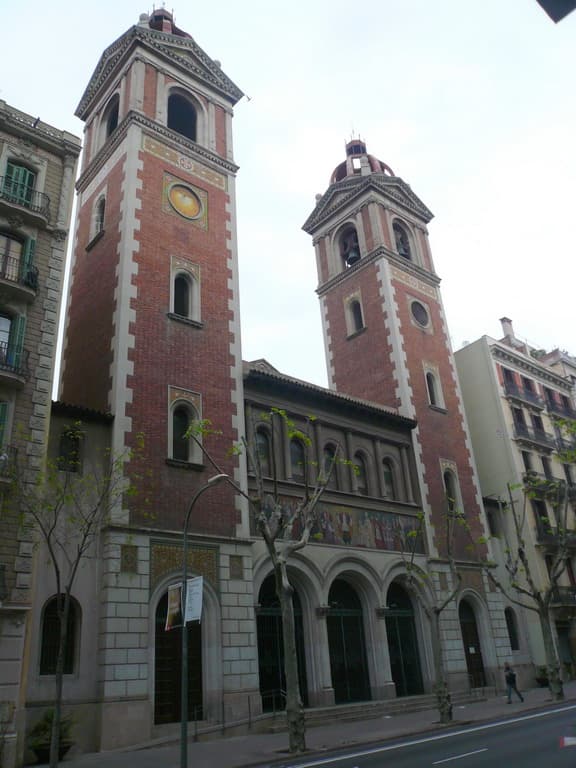
Basilica of St Joseph Oriol
The Basilica of Saint Joseph Oriol is a Roman Catholic church located in Barcelona, Catalonia. It was granted the title of minor basilica by Pope Pius XI in 1936, making it the fifth church in Barcelona to receive this honor. The basilica has a history marked by both construction and significant damage and subsequent rebuilding.