
Eulalia of Barcelona
February 12·4th century·Spain
Eulalia of Barcelona was a 13-year-old Roman Christian virgin martyred in Barcelona during the persecutions of Emperor Diocletian. She is remembered for her public confrontation with Governor Dacian and her subsequent torture and death. Eulalia is a patron saint of Barcelona, with her feast day celebrated annually.
Key Facts
- ›Eulalia was a 13-year-old Roman Christian virgin.
- ›She was martyred in Barcelona around 303 AD during the reign of Emperor Diocletian.
- ›Eulalia publicly confronted Governor Dacian about the persecution of Christians.
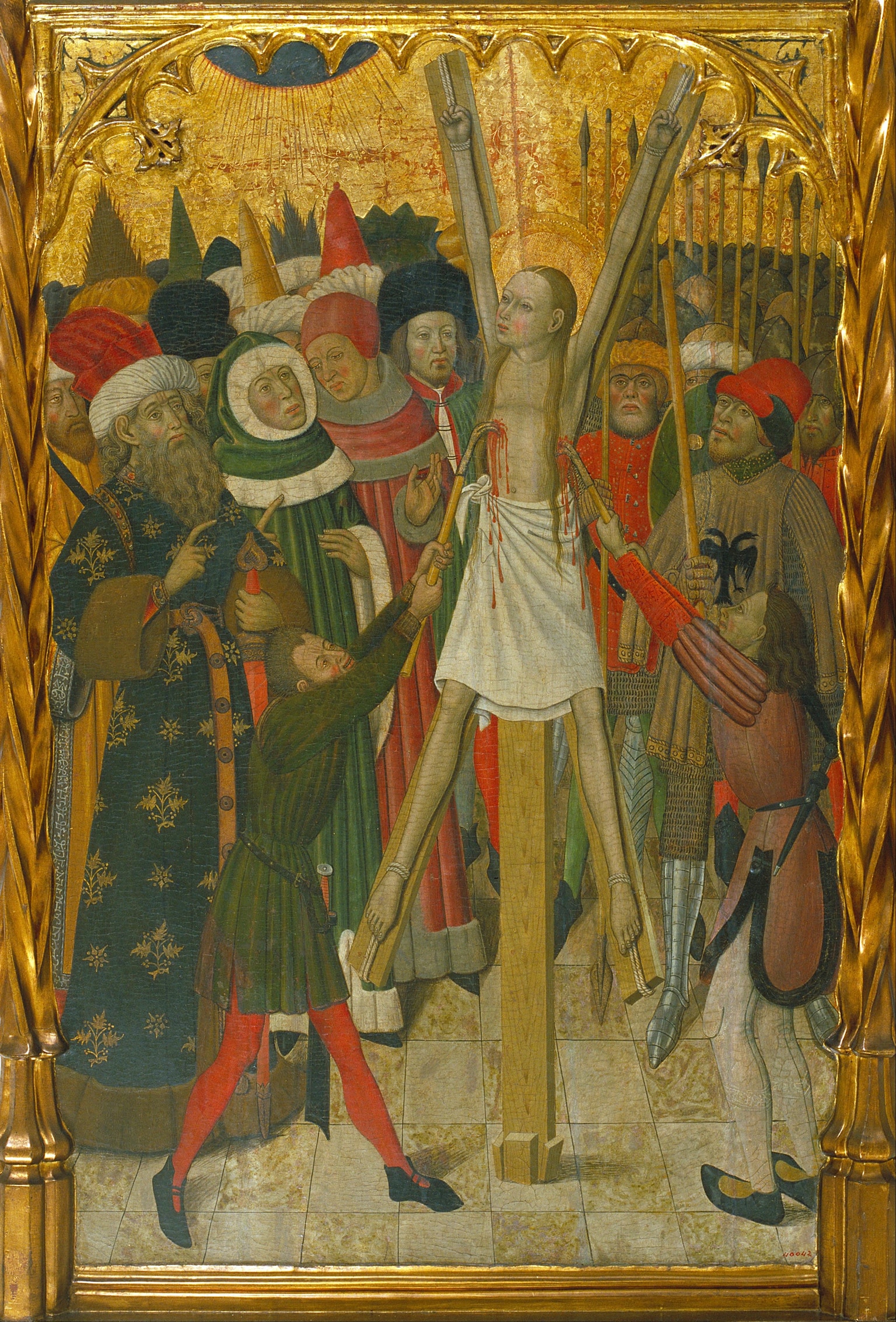
- ›She was tortured and died from her wounds, with tradition stating her martyrdom involved crucifixion on an X-shaped cross.
- ›Her relics were interred in Santa Maria de les Arenes and later relocated to the Cathedral of Santa Eulalia.
- ›She is a patron saint of Barcelona, commemorated with statues and street names.
Barcelona
X-Shaped Cross
About Eulalia of Barcelona
Eulalia of Barcelona was a Roman Christian virgin who suffered martyrdom in Barcelona around the year 303 AD. She is a significant figure in the history of Barcelona, venerated as a patron saint of the city.
Life and Historical Context
According to tradition, Eulalia was thirteen years old and the daughter of a noble family residing near Barcelona. Her martyrdom occurred during the intense persecutions of Christians under the Roman emperors Diocletian and Maximian. The governor Dacian arrived in Barcelona with the intention of carrying out these persecutions. Eulalia reportedly left her home, entered the city, and publicly confronted Governor Dacian, denouncing his persecution of Christians. In response, Dacian ordered her to be stripped and subjected to various tortures, including flagellation. Eulalia prayed for divine intervention and died from her wounds.
Martyrdom and Symbolism
Tradition states that Eulalia's tortures culminated in her crucifixion on an X-shaped cross, known as a saltire. This symbol is frequently depicted in artistic representations of her martyrdom. However, some historical accounts suggest she may have been publicly tortured to death on an X-frame, with artistic interpretations later leading to the belief of crucifixion.
Veneration and Legacy
Following her death, Eulalia's body was interred in the church of Santa Maria de les Arenes. Her remains were hidden during the Moorish invasion in 713 and rediscovered in 878. In 1339, her body was moved to a notable alabaster sarcophagus within the crypt of the newly constructed Cathedral of Santa Eulalia. The festival of Saint Eulalia is a significant event in Barcelona, celebrated for a week around her feast day on February 12. Her presence is commemorated throughout the city with numerous statues and streets named in her honor, such as the "Saint Eulalia's descent" (Baixada de Santa Eulàlia), recalling a tradition of her being placed in a barrel with glass shards and rolled down the street.
Source: Wikipedia ↗
Frequently Asked Questions
When was Eulalia of Barcelona martyred?
Eulalia of Barcelona was martyred around February 12, 303 AD. This occurred during the severe persecutions of Christians under the Roman Emperors Diocletian and Maximian.
What is Eulalia of Barcelona known for?
Eulalia of Barcelona is known as a 13-year-old virgin who was martyred in the city. She is remembered for her courage in publicly confronting the governor and her subsequent torture and death for her Christian faith.
What is the symbol associated with Eulalia of Barcelona?
The primary symbol associated with Eulalia of Barcelona is an X-shaped cross, also known as a saltire. Tradition holds that she was crucified on such a cross, though some scholars suggest she was tortured to death on an X-frame.
Where are the relics of Eulalia of Barcelona kept?
The relics of Eulalia of Barcelona were originally interred in the church of Santa Maria de les Arenes. They were later relocated in 1339 to an alabaster sarcophagus in the crypt of the newly built Cathedral of Santa Eulalia in Barcelona.
Is Eulalia of Barcelona the same as Eulalia of Mérida?
There is some historical dispute regarding whether Eulalia of Barcelona is the same person as Eulalia of Mérida, as their stories share similarities. However, they are generally considered distinct figures venerated in different locations.
Related Saints
Engratia
Engratia is venerated as a virgin martyr and saint, traditionally martyred with eighteen companions in 303 AD. While her martyrdom is often placed during the Diocletianic Persecution, later scholarship suggests it may have occurred during Valerian's persecution between 254-260 AD. She is primarily remembered for her martyrdom in Zaragoza and the subsequent veneration of her relics and those of her companions.
Eulalia of Mérida
Eulalia of Mérida was a young Roman Christian martyred in Augusta Emerita (modern Mérida, Spain) in the early 4th century during the persecution of Christians under Diocletian. She is chiefly remembered for her courageous defiance of pagan authorities and her subsequent martyrdom, which led to widespread veneration as a protector of Christian troops and patron of Spanish territories.
Dorothea of Caesarea
Dorothea of Caesarea was a 4th-century virgin martyr executed at Caesarea Mazaca. Her legend, though sparse in historical evidence, recounts her martyrdom during the late Diocletianic Persecution and a miraculous gift of heavenly fruits and roses to her interrogator. She is venerated as the patroness of gardeners and is remembered for her faith and martyrdom.