
Cathedral Basilica of Our Lady of the Light
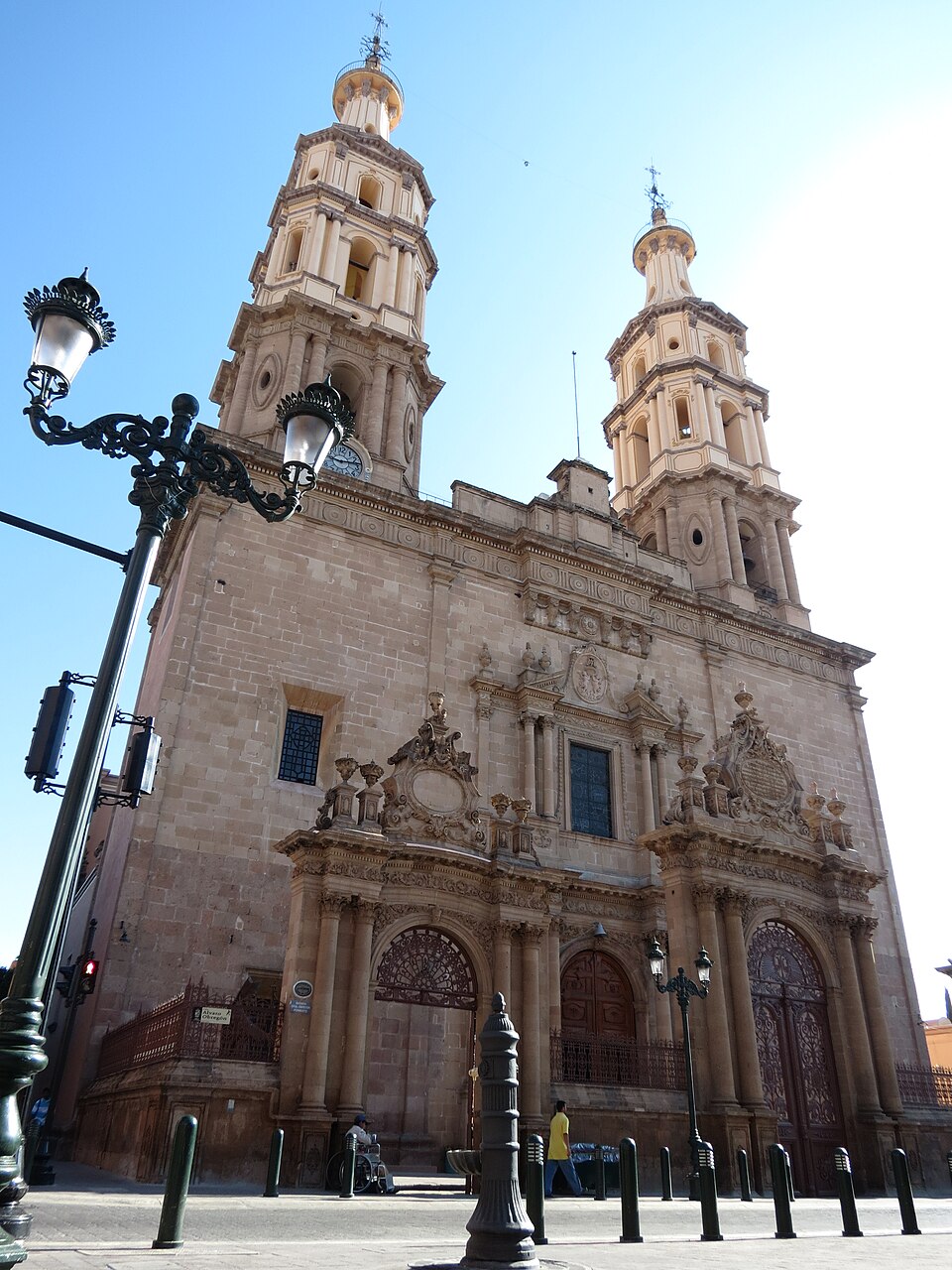
The Cathedral Basilica of Our Lady of the Light, also known as León Cathedral, is a significant Catholic church located in the historic center of León, Mexico. It serves as the headquarters of the Metropolitan Archdiocese of León and was consecrated in 1866. Its construction spanned several decades, beginning in the mid-18th century and resuming in the mid-19th century under the direction of Bishop José María de Jesús Diez de Sollano.
Key Facts
- ›Construction of the church, originally intended as the Temple of the New Company, began in 1764.
- ›Works were halted in 1767 due to the expulsion of the Jesuits.
- ›The Diocese of León was founded in 1864, and the church was subsequently designated as its cathedral.
- ›The vaults of the structure were completed between 1833 and 1837.
- ›The eastern tower's first section was renovated in 1864.
- ›The cathedral was consecrated in 1866.
Virgin of Light
Jesuits
About Cathedral Basilica of Our Lady of the Light
The Cathedral Basilica of Our Lady of the Light, also known as León Cathedral (Catedral Basílica de Nuestra Señora de la Luz), stands as a prominent Catholic place of worship in the historic heart of León, Mexico. It holds the distinction of being the seat of the Metropolitan Archdiocese of León.
History and Construction
The genesis of the church, initially conceived as the Temple of the New Company, dates back to 1764. This period marked the return of the Jesuits to León, as their previous temple had fallen into severe disrepair. The new edifice was intended to be dedicated to the Virgin of Light. However, these early construction efforts were abruptly halted in 1767 with the expulsion of the Jesuit order from the region.
The religious landscape of León shifted significantly on February 21, 1864, with the establishment of the Diocese of León. Monsignor José María de Jesús Diez de Sollano, upon assuming his episcopal duties, prioritized the completion of the temple. By this time, key structural elements, including the vaults, had already been constructed between 1833 and 1837. Further work in the mid-19th century saw the renovation of the first section of the eastern tower in 1864. A substantial bell, weighing 4.5 tons, was cast in late 1865 and early 1866. The cathedral was formally consecrated in 1866, marking a significant milestone in its long construction history.
Source: Wikipedia ↗
Frequently Asked Questions
What is the Cathedral Basilica of Our Lady of the Light also known as?
The Cathedral Basilica of Our Lady of the Light is also commonly referred to as León Cathedral. In Spanish, its name is Catedral Basílica de Nuestra Señora de la Luz.
Where is León Cathedral located?
León Cathedral is situated in the historic center of the city of León, Mexico.
When was León Cathedral consecrated?
The church was consecrated in 1866.
What is the historical significance of the Jesuits to this cathedral?
The initial construction of the church began in 1764, following the return of the Jesuits to the city. However, construction was interrupted when the Jesuits were expelled in 1767.
When did León become a diocese and this church its cathedral?
The Diocese of León was founded on February 21, 1864. Bishop José María de Jesús Diez de Sollano then worked to complete the temple and establish it as the cathedral.
Related Basilicas

Basilica of St Isidore of León
The Basilica of St Isidore of León is a significant Catholic church in León, Spain, with Christian roots dating back to the 10th century. Originally a monastery, it was rededicated in 1063 to Saint Isidore of Seville, whose relics were brought there for interment on Christian soil. The basilica is renowned for its Romanesque architecture, the Royal Pantheon housing Leonese royalty, and its role as a site of historical parliamentary significance.

"Old" Basilica of Our Lady of Guadalupe
The Insigne y Nacional Basílica de Santa María de Guadalupe, commonly known as the Basilica of Our Lady of Guadalupe, is a prominent Catholic church in Mexico City dedicated to the Virgin Mary under her invocation as Our Lady of Guadalupe. It is one of the most visited Marian shrines in the world, attracting an estimated twenty million pilgrims annually, with a significant portion visiting around December 12th, the feast day of Our Lady of Guadalupe. The sanctuary complex includes the older church, now referred to as the Old Basilica, built in the early 18th century, and the modern New Basilica constructed in the 1970s to accommodate the growing number of devotees.

Basilica of Our Lady of the Solitude
The Basilica of Our Lady of Solitude, officially Basilica of Nuestra Señora de Soledad, is a Roman Catholic basilica located in Oaxaca de Juárez, Mexico. Constructed between 1682 and 1690, it serves as a significant sanctuary dedicated to Our Lady of Solitude, the patron saint of Oaxaca. Its Baroque architecture, designed to withstand earthquakes, contributes to its inclusion in the UNESCO World Heritage Site of the Historic Center of Oaxaca City.