
Basilica of St Martin of Mondoñedo
Spain·Foz
The Basilica of San Martiño de Mondoñedo, located in Foz, Galicia, Spain, is recognized as the oldest cathedral in Spain. It served as the episcopal seat for two bishops in the ninth century. The current Romanesque structure dates to the late eleventh century, with later eighteenth-century reinforcements.
Key Facts
- ›Considered the oldest cathedral in Spain.
- ›Served as the seat of two bishops in the ninth century.
- ›Current church is Romanesque in architecture.
- ›Construction of the current church dates to the late eleventh century.
- ›Reinforced with buttresses in the eighteenth century.
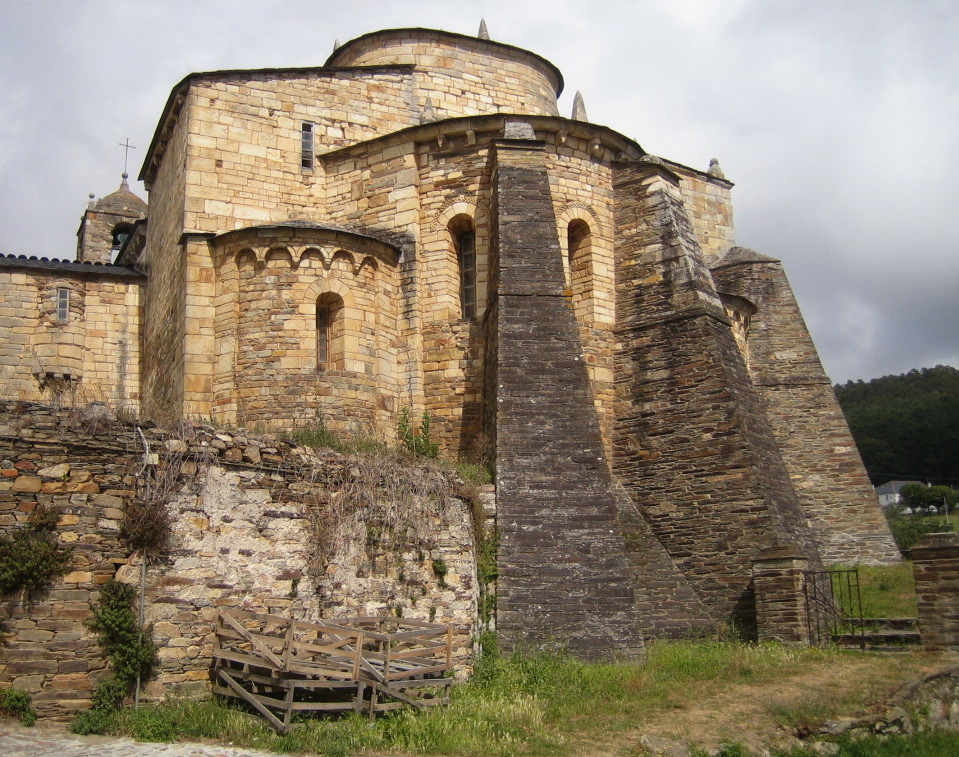
Romanesque
About Basilica of St Martin of Mondoñedo
Basilica of San Martiño de Mondoñedo
The Basilica of San Martiño de Mondoñedo is a significant religious structure located in the municipality of Foz, in the autonomous community of Galicia, Spain. It holds the distinction of being considered the oldest cathedral in Spain, a testament to its long and rich history.
Historical Significance
Historically, the site served as an important ecclesiastical center. In the ninth century, it was the seat of two bishops, underscoring its prominence within the early Christian landscape of the Iberian Peninsula. This early period establishes its foundational role in the region's religious development.
Architecture and Construction
The existing church, which is the focus of current veneration, is a fine example of Romanesque architecture. Its construction dates to the late eleventh century, reflecting the architectural trends of that era. Later in its history, during the eighteenth century, the basilica underwent structural reinforcement, with buttresses being added to enhance its stability and preservation for future generations.
Source: Wikipedia ↗
Frequently Asked Questions
What is the historical significance of the Basilica of San Martiño de Mondoñedo?
It is historically significant as it is considered the oldest cathedral in Spain. It also served as the episcopal seat for two bishops during the ninth century.
What is the architectural style of the Basilica of San Martiño de Mondoñedo?
The current church is primarily Romanesque in its architectural style. It underwent reinforcements with buttresses during the eighteenth century.
When was the current church built?
The current structure of the Basilica of San Martiño de Mondoñedo dates from the late eleventh century.
Where is the Basilica of San Martiño de Mondoñedo located?
The basilica is situated in the municipality of Foz, within the region of Galicia, Spain.
Related Basilicas

Basilica of St Martin of Tours
The Taal Basilica, officially the Minor Basilica and Parish of Saint Martin of Tours, is a significant Roman Catholic church located in Taal, Batangas, Philippines. It is renowned for being the largest church building in the Philippines and the largest Augustinian church, showcasing Italian Baroque architecture. The basilica is dedicated to Saint Martin of Tours, the town's patron saint, and has a rich history marked by several reconstructions due to natural disasters.
Cathedral Basilica of St Mary of the Meadow
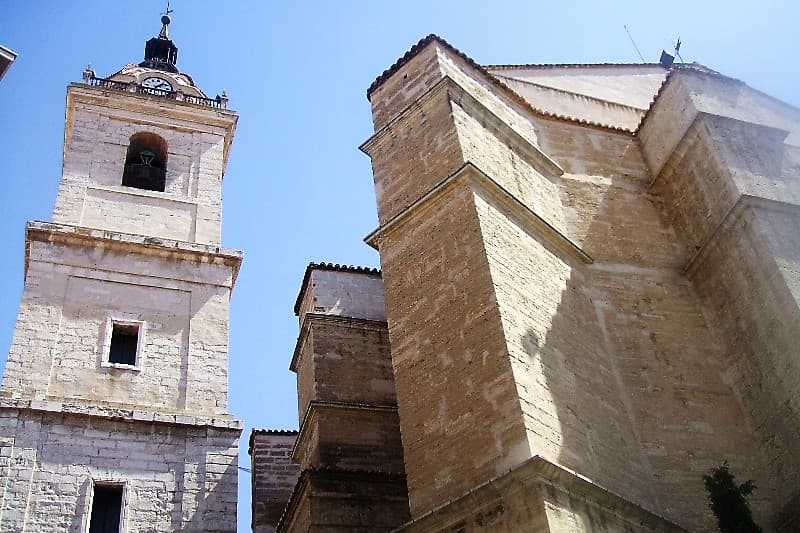
The Holy Priory Church Cathedral Basilica of the Military Orders of Our Lady Saint Mary of the Prado, commonly known as the Cathedral of Saint Mary of the Prado, is a significant religious and architectural landmark in Ciudad Real, Spain. Its construction, spanning centuries and incorporating Gothic, Renaissance, and Baroque elements, makes it a rich historical monument. Since 1875, it has served as the priory for four of Spain's military orders, underscoring its enduring importance.

Basilica of St Mary of the Pine
The Basilica of St Mary of the Pine, known in Catalan as Santa Maria del Pi, is a significant 15th-century Gothic church located in Barcelona, Spain. It stands as a prominent example of Catalan Gothic architecture, characterized by its single nave and minimal ornamentation. The basilica has a long history marked by damage from earthquakes, wars, and fires, necessitating several reconstructions and restorations throughout the centuries.