
Seraphiel
Seraphiel is an angel mentioned in the apocryphal Book of Enoch, identified as the chief of the Seraphim and protector of Metatron. He is described as an immense, luminous being and is sometimes referred to as the Angel of Silence. Seraphiel holds a high rank among angelic beings and is associated with teaching celestial songs for God's glorification.
Key Facts
- ›Seraphiel is identified as the chief of the Seraphim in the Book of Enoch.
- ›He is described as the protector of the angel Metatron.
- ›Seraphiel is sometimes called the Angel of Silence.
- ›He is depicted as an enormous and brilliantly shining angel.
- ›In magical traditions, he is associated with Tuesday and the planet Mercury.
- ›Seraphiel teaches the Seraphim songs for the glorification of God.
Angel of Silence
Chief of the Seraphim, Protector, Teacher of Divine Songs
Lightning, Morning Star
Book of Enoch, 3 Enoch
Metatron, Israfil
About Seraphiel
Seraphiel is an angelic figure documented in apocryphal religious texts, most notably the Book of Enoch. His name, derived from Hebrew, signifies "Seraph of God/El," underscoring his exalted status within the celestial hierarchy. He is primarily recognized as the chief of the Seraphim, the highest order of angels, and is also described as the protector of the angel Metatron.
Description and Attributes
Descriptions of Seraphiel paint a picture of immense celestial power and beauty. In the text known as 3 Enoch, he is depicted as a colossal, radiant angel whose stature is equivalent to the seven heavens. His visage is said to resemble that of other angels, while his body is likened to that of eagles. He is further characterized by a beauty akin to lightning and the brilliance of the morning star. As the head of the Seraphim, Seraphiel is entrusted with their guidance and is credited with teaching them the songs and hymns used for the glorification of God.
Roles and Associations
Beyond his primary role as chief of the Seraphim, Seraphiel is sometimes identified as the "Angel of Silence." He is counted among the judge angels and holds a significant position as a prince of the Merkabah, a mystical tradition focused on divine chariot visions. In certain magical traditions, Seraphiel holds sway over Tuesday and the planet Mercury, and is invoked from the cardinal direction of the North. While not explicitly stated as an archangel, his position as chief of the Seraphim places him among the most powerful celestial beings. The angel Israfil in Islamic tradition is sometimes considered a counterpart to Seraphiel, also being an Archangel.
Source: Wikipedia ↗
Frequently Asked Questions
What does the name Seraphiel mean?
The name Seraphiel is of Hebrew origin and means "Seraph of God/El." This name reflects his high status and connection to the divine.
What is Seraphiel's role among the Seraphim?
Seraphiel holds the highest rank within the order of Seraphim. He is responsible for their care and teaches them hymns to praise God.
How is Seraphiel described physically?
In texts like 3 Enoch, Seraphiel is depicted as an enormous, brilliant angel whose height spans the seven heavens. His face is described as angelic, and his body is compared to that of eagles, possessing a beauty like lightning and the morning star.
Is Seraphiel associated with any specific days or celestial bodies?
In magical lore, Seraphiel is considered one of the rulers of Tuesday and is also associated with the planet Mercury. He is traditionally invoked from the North.
Is there an Islamic counterpart to Seraphiel?
Israfil is mentioned as a potential counterpart to Seraphiel in Islamic tradition, also holding the rank of an Archangel.
Related Angels

Samyaza
Samyaza is a prominent fallen angel figure in apocryphal Abrahamic traditions and Manichaeism, primarily known as the leader of the Watchers. These angels descended to Earth to consort with human women, bestowing forbidden knowledge and fathering the Nephilim. Ultimately, Samyaza was condemned to be bound in the earth's valleys until the final judgment.
Abaddon
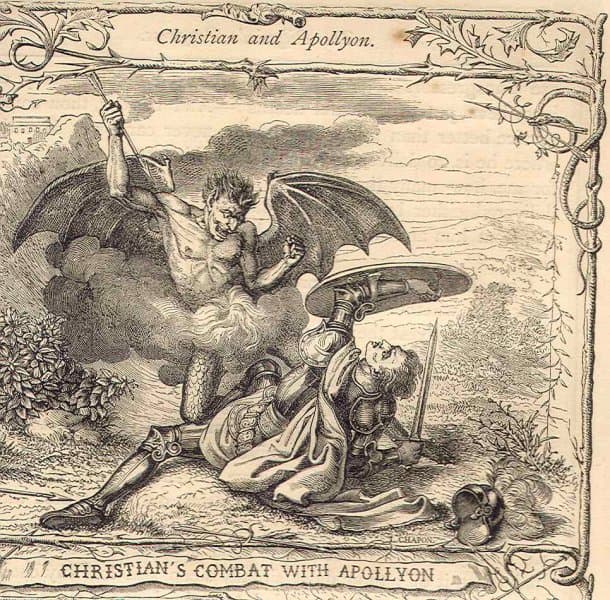
Abaddon, a term originating from Hebrew meaning "destruction" and its Greek equivalent Apollyon meaning "Destroyer," initially referred to a place of destruction or the realm of the dead in the Hebrew Bible. In the New Testament's Book of Revelation, Abaddon is depicted as an angel of the abyss and the king of a locust army, though his identity and role have been subject to various interpretations across different Christian traditions.
Adriel
Adriel was a nobleman from the ancient kingdom of Israel, mentioned in the Bible. His name, derived from Hebrew, signifies "flock of God." He is primarily known through biblical accounts detailing his marital relationships with two of King Saul's daughters, Merab and potentially Michal.