
Rochel
Rochel was a beloved matriarch in Hebrew Bible narratives, known as the favorite wife of Jacob and mother to Joseph and Benjamin, progenitors of the Israelite tribes. Her story highlights themes of love, deception, and divine intervention in her struggles with infertility and her eventual, tragic death during the birth of her second son. She is recognized in Jewish tradition as a maternal intercessor for her exiled people.
Key Facts
- ›Rochel was one of the Israelite matriarchs mentioned in the Hebrew Bible.
- ›She was the favorite wife of Jacob, despite being married to him after his first wife, Leah.
- ›Rochel was the mother of Joseph and Benjamin, two of the twelve progenitors of the tribes of Israel.
- ›She struggled with infertility, a common theme among biblical matriarchs, heightening the significance of her children's births.
- ›Rochel died during childbirth while giving birth to her second son, Benjamin.
- ›She is remembered in Jewish tradition as a figure who weeps for her exiled children and intercedes on their behalf.
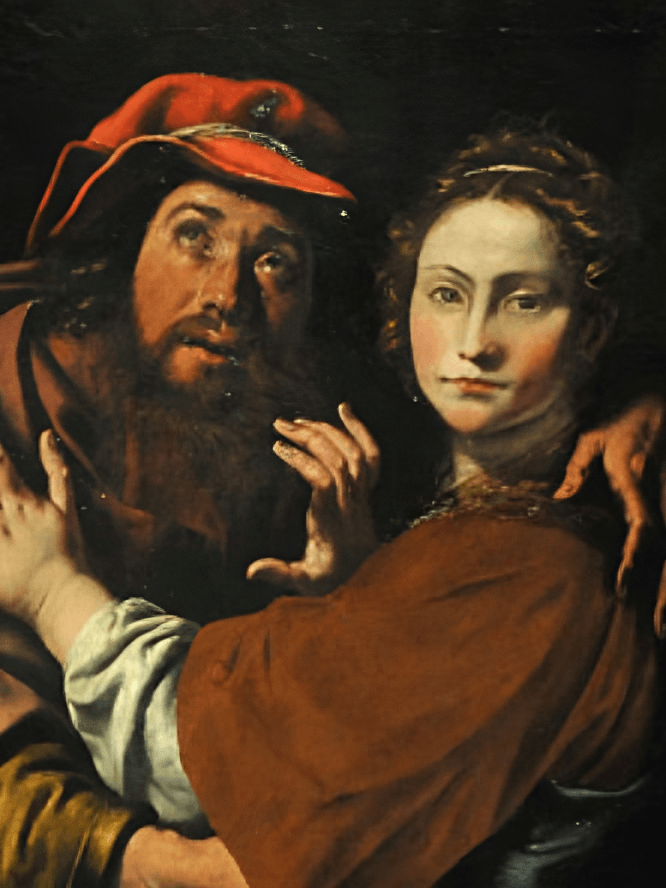
Rachel
Matriarch, Mother, Intercessor
Genesis 29, Genesis 31, Jeremiah 31:15, Esther 2:5, Matthew 2
Love, Sacrifice, Maternal Intercession
Jacob, Leah, Joseph, Benjamin, Laban, Rebekah, Bilhah, Zilpah, Esau
Ordo Rachelis
About Rochel
Rochel, known in Hebrew as Rāḥēl and meaning 'ewe', is a foundational figure in the Hebrew Bible, recognized as one of the Israelite matriarchs. She is celebrated as the favorite wife of Jacob and the mother of Joseph and Benjamin, two of the twelve progenitors from whom the tribes of Israel descended.
Life and Context
Rochel's narrative begins when Jacob encounters her at a well while seeking refuge with her father, Laban. As Laban's second daughter, Jacob fell deeply in love with Rochel and agreed to serve for seven years to win her hand. However, on their wedding night, Laban deceitfully substituted his elder daughter, Leah, for Rochel. Jacob was eventually permitted to marry Rochel as well, after fulfilling a further seven years of service.
Rochel's story is marked by her struggle with infertility, a common theme among biblical matriarchs. This period of barrenness heightened the drama of her eventual pregnancies and emphasized the divine nature of childbirth. In her longing for children, Rochel offered her maidservant, Bilhah, to Jacob as a surrogate, who bore two sons, Dan and Naphtali, whom Rochel claimed as her own.
Motherhood and Sacrifice
Rochel eventually conceived and bore Joseph, who would become Jacob's favorite son and a pivotal figure in biblical history. Later, during Jacob's journey back to Canaan, Rochel secretly took her father's teraphim (household idols). This act, while intended to secure her inheritance, led to a near-fatal confrontation with Jacob when Laban cursed the thief.
Rochel's life concluded tragically as she went into difficult labor while giving birth to her second son, Benjamin, near Ephrath. She named the child Ben Oni, meaning 'son of my mourning', but Jacob renamed him Benjamin, signifying 'son of the right' or 'son of my old age.'
Legacy and Tradition
Biblical scholarship distinguishes two traditional sites for Rochel's burial: one near Ramah and another closer to Bethlehem, where she is most famously entombed. Her burial site on the road to Ephrath, rather than in the ancestral tomb at Machpelah, is interpreted as a strategic placement for her to intercede for her descendants.
In Jewish tradition, Rochel is profoundly remembered as a maternal figure who "weeps for her children." This imagery, drawn from the Book of Jeremiah, symbolizes her enduring sorrow and her role as an advocate for the Jewish people during their exiles. Her lineage is also traced through figures like Mordecai and Queen Esther, who are said to have inherited her quiet strength and resilience.
Source: Wikipedia ↗
Frequently Asked Questions
Who was Rochel in the Hebrew Bible?
Rochel was a significant matriarch in the Hebrew Bible, known as the favorite wife of Jacob. She was the mother of Joseph and Benjamin, who became progenitors of the Israelite tribes.
What was Rochel's relationship to Jacob?
Rochel was the second daughter of Laban and the niece of Rebekah, making her Jacob's first cousin. Jacob fell in love with Rochel and worked for her father for fourteen years to marry her.
Why was Rochel initially unable to have children?
Rochel, like other matriarchs such as Sarah and Rebekah, experienced infertility. This circumstance heightened the drama surrounding the births of her sons and emphasized the role of divine intervention in conception.
How did Rochel provide children when she was infertile?
Out of jealousy for her sister Leah, Rochel gave her maidservant, Bilhah, to Jacob as a surrogate mother. Rochel then named and raised the two sons, Dan and Naphtali, born to Bilhah.
What is Rochel best known for regarding her children?
Rochel is best known as the mother of Joseph, who became a prominent figure in Israelite tradition and prepared the way for his family's exile in Egypt. She also gave birth to Benjamin, though she died in the process.
Where was Rochel buried?
Rochel was buried on the road to Ephrath, near Bethlehem, a location distinct from the ancestral tomb of Machpelah where her husband Jacob and sister Leah were interred. Her tomb is a site of pilgrimage.
What is the significance of 'Rachel weeping for her children'?
This phrase, originating from Jeremiah 31:15, is interpreted in Jewish tradition as Rochel mourning and interceding for her descendants during their exiles. It symbolizes maternal grief and a plea for an end to suffering.
Related Angels
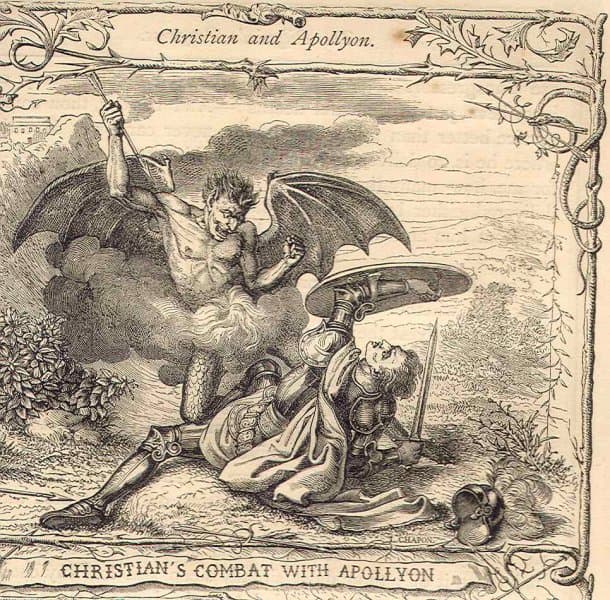
Abaddon
Abaddon, a term originating from Hebrew meaning "destruction" and its Greek equivalent Apollyon meaning "Destroyer," initially referred to a place of destruction or the realm of the dead in the Hebrew Bible. In the New Testament's Book of Revelation, Abaddon is depicted as an angel of the abyss and the king of a locust army, though his identity and role have been subject to various interpretations across different Christian traditions.
Adriel
Adriel was a nobleman from the ancient kingdom of Israel, mentioned in the Bible. His name, derived from Hebrew, signifies "flock of God." He is primarily known through biblical accounts detailing his marital relationships with two of King Saul's daughters, Merab and potentially Michal.
Agiel
Agiel is identified as the Intelligence or beneficial spirit associated with the planet Saturn. He is mentioned in esoteric texts like the Key of Solomon, where he is described as a spirit that can be invoked. Agiel's role is often linked to the beneficial influences and operations connected to Saturn.