
Nakir
Munkar and Nakir are angelic figures in Islamic eschatology, tasked with questioning the deceased in their graves to test their faith. They are central to the belief in the barzakh, the intermediate state between death and the Day of Judgment, where their interrogations determine the soul's immediate fate. While not explicitly named in the Quran, their existence and role are alluded to and detailed in hadith literature.
Key Facts
- ›They are angels who question the dead in their graves about their faith.
- ›Their role is to test the deceased's understanding of their Lord, religion, and prophet.
- ›A correct response leads to a pleasant waiting period until the resurrection.
- ›Incorrect answers result in chastisement until the Day of Judgment.
- ›Descriptions include tongues of fire from their mouths and immense hammers.
- ›Their names translate to 'the Denied' and 'the Denier'.
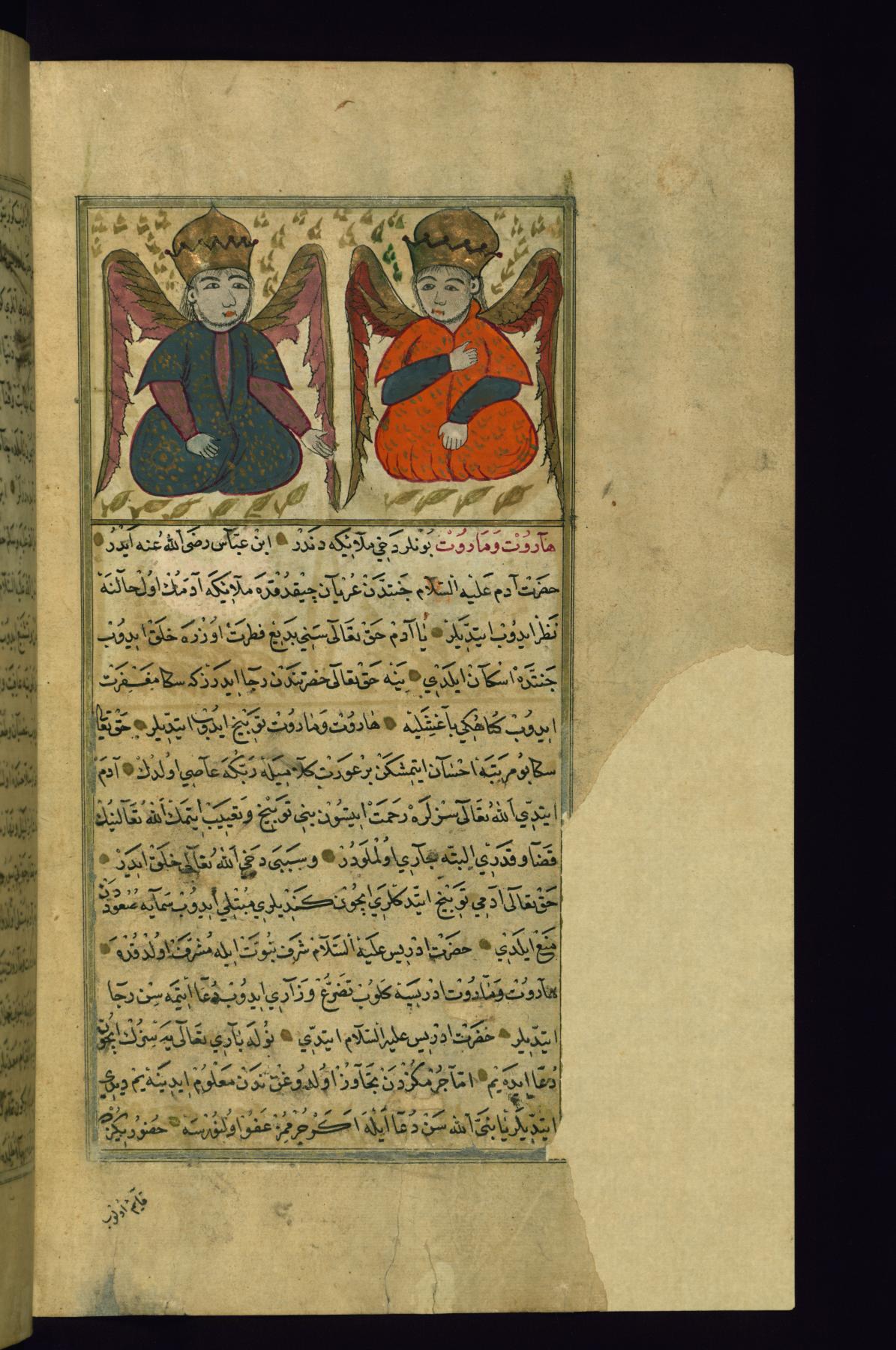
The Denied and The Denier
Questioner of the Dead, Tester of Faith
Fire
Hammers, Tongues of Fire
Quran, Tirmidhi
Faith, Truth
Allah, Muhammad, Nergal, Mithra, Sraosha, Rashnu, Abathur Muzania
- Similarities Noted With Zoroastrian Divinities Like Rashnu, Sraosha, and Mithra.
- Hypothesized Derivation From Mesopotamian Astral God Nergal.
- Comparison To Mandaean Figure Abathur Muzania.
About Nakir
Munkar and Nakir
Munkar and Nakir are two significant angelic figures within Islamic eschatology, primarily known for their role in questioning the deceased in their graves. Their names, translating from Arabic as "The Denied" and "The Denier," reflect the nature of their task: to test the faith and understanding of souls after death.
Role in Islamic Belief
According to Islamic tradition, after a person's burial, their soul enters a state known as barzakh, an intermediate period before the Day of Resurrection. It is within this state that Munkar and Nakir appear to the deceased. They prop the soul upright and pose three crucial questions: "Who is your Lord?", "What is your religion?", and "Who is your prophet?". A righteous believer, sustained by their faith (iman) and good deeds such as prayer (salat) and the declaration of faith (shahadah), will correctly identify Allah as their Lord, Islam as their religion, and Muhammad as their prophet.
Consequences of Questioning
Answering these questions correctly is believed to lead to a pleasant experience in the grave, with the soul resting peacefully until the Day of Judgment. Conversely, those who cannot provide the correct answers are subjected to chastisement. Descriptions from hadith literature depict Munkar and Nakir as formidable beings, capable of inflicting severe punishment. Some accounts mention tongues of fire issuing from their mouths and the use of immense hammers, so heavy that humanity united could not move them, to strike the disbelievers and wrongdoers.
Scriptural Basis and Interpretations
While Munkar and Nakir are not explicitly named in the Quran, their function is alluded to in verses describing angels striking the faces and backs of those who disbelieve. Their names and specific roles are detailed in various hadith collections, notably by scholars like Al-Tirmidhi and Al-Suyuti. The questioning of the grave is considered a fundamental part of the Islamic creed by groups such as the Ash'ari school of theology.
Cultural and Historical Parallels
Scholars have noted potential connections between Munkar and Nakir and figures from other ancient traditions. Some parallels have been drawn with Zoroastrian divinities such as Rashnu, Sraosha, and Mithra, who also play roles in the judgment of souls. Additionally, there is a hypothesis suggesting their origins might be linked to the Mesopotamian astral god Nergal, who shared characteristics like being a lord of the underworld, possessing a terrifying voice, and being associated with fire and the planet Mars. These comparisons highlight a potential continuity in the concept of divine or angelic figures tasked with evaluating souls after death across different cultures and religions.
Source: Wikipedia ↗
Frequently Asked Questions
Who are Munkar and Nakir?
Munkar and Nakir are angels in Islamic eschatology responsible for questioning the dead in their graves. Their purpose is to assess the deceased's faith and understanding of core Islamic tenets.
What do Munkar and Nakir ask the deceased?
They pose three fundamental questions: 'Who is your Lord?', 'What is your religion?', and 'Who is your prophet?'. A righteous believer will answer that Allah is their Lord, Islam is their religion, and Muhammad is their prophet.
What happens if the deceased answers incorrectly?
If the deceased fails to answer correctly, they are chastised in their grave until the Day of Judgment. This chastisement can involve daily beatings and spiritual pain until God permits it to cease.
Are Munkar and Nakir mentioned in the Quran?
Munkar and Nakir are not explicitly named in the Quran. However, the Quran contains verses that allude to angels striking the faces and backs of disbelievers during the process of soul-taking, which is interpreted by some as referring to their role.
What is the significance of their questioning?
The questioning by Munkar and Nakir is a crucial part of the barzakh, the intermediate stage of existence after death. Their judgment determines whether the soul experiences peace or torment until the Day of Resurrection.
How are Munkar and Nakir described physically?
Descriptions from hadith literature portray them as formidable beings. They are said to have tongues of fire emanating from their mouths, hair reaching their feet, and to use immense hammers to chastise those who answer incorrectly.
Related Angels
Artiya'il
Artiya'il is an angel recognized in Islamic lore, primarily known for his role in alleviating human sorrow and anxiety. He is described as an angel who removes the memories of distress and is depicted in Islamic tradition as appearing in various forms, such as a bird, to offer comfort.
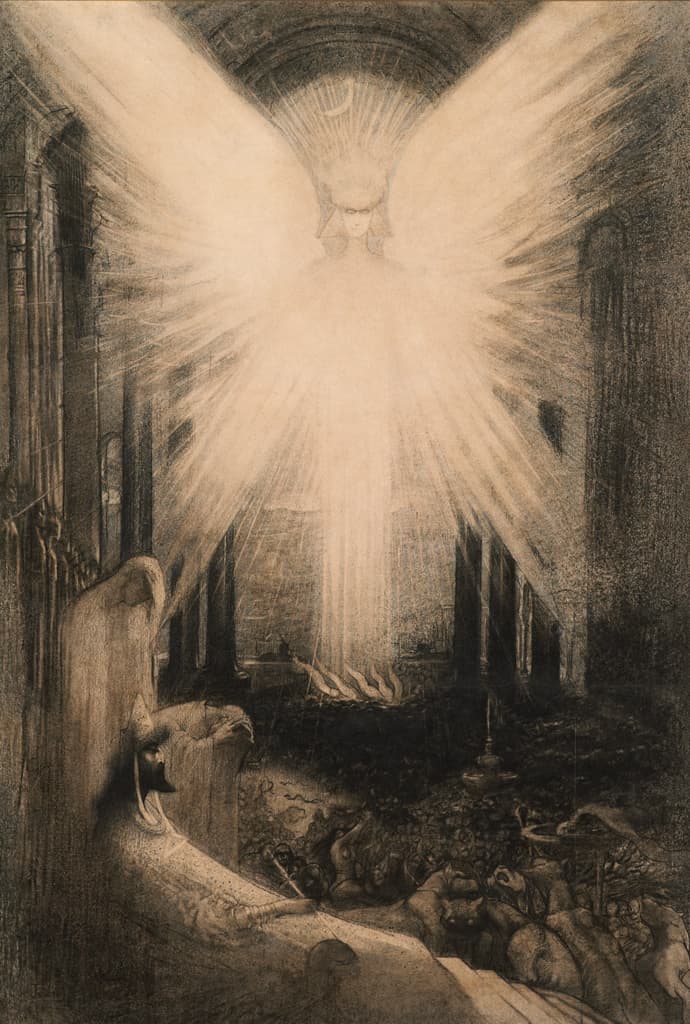
Azrael
Azrael is the canonical angel of death in Islam and appears in earlier apocryphal texts. He is depicted as a benevolent psychopomp, responsible for transporting souls after death and recording their fates. Azrael is recognized as one of the four archangels in Islam and corresponds to the Hebrew "Malakh ha-mavet" (Angel of Death).
Harut
Harut and Marut are a pair of angels mentioned in the Quran who, according to Islamic exegesis, were sent to Earth to test humanity. They are depicted as teaching the arts of sorcery in Babylon, with varying interpretations of whether they committed sins or if the story is allegorical. Their narrative is a subject of theological debate within Islam, concerning the infallibility of angels and the nature of divine punishment.