
Mu’aqqibat
The Mu'aqqibat are a class of guardian angels mentioned in the Quran, tasked with protecting humans from evil jinn and devils. They are also known as "those who follow one upon another" due to their continuous vigil, watching over individuals by God's command. Their role aligns with the broader Islamic concept of guardian angels, who maintain beings in various states of life, sleep, death, and resurrection.
Key Facts
- ›Referred to in the Quran (Q.13:11) as "those who follow one upon another."
- ›Considered by some Islamic commentators to be guardian angels.
- ›Also known as al-hafathah, meaning "the guarding angels."
- ›Protect humans from the harm of evil jinn and devils.
- ›Each person is believed to be assigned four Hafaza angels, two for day and two for night.
- ›Muhammad reportedly stated that every man has ten guardian angels.
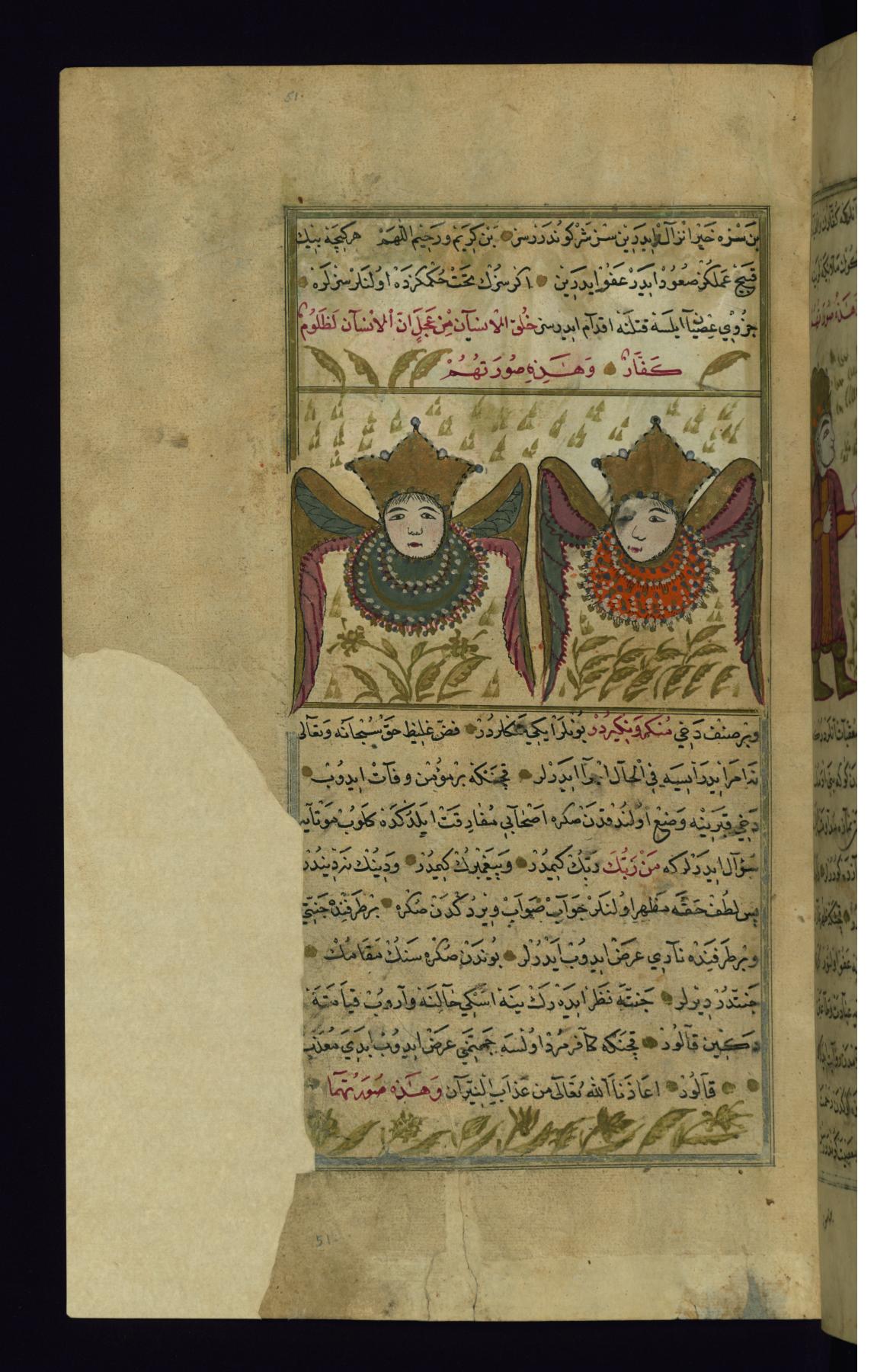
al-hafathah, the guarding angels, Watcher angels
Guardian, Protector
Quran 13:11, Quran 6:61, Quran 13:10-11
Jinn, Devils
About Mu’aqqibat
The Mu'aqqibat: Divine Guardians in Islam
The Mu'aqqibat are a significant class of angels within Islamic tradition, primarily recognized for their role as guardian angels. The term itself, al-mu'aqqibat, is an Arabic plural meaning "those who follow one upon another," referring to their continuous, vigilant watch over individuals. They are also known by the name al-hafathah, which translates to "the guarding angels." Their essential function is to protect human beings from the malevolent influences of evil jinn and devils, acting as divine protectors by the command of God.
Quranic Mention and Function
The existence and role of the Mu'aqqibat are alluded to in the Quran. In Surah Ar-Ra'd (Chapter 13, Verses 10-11), the text states: "For each (such person) there are (angels) in succession, before and behind him: They guard him by command of God." This passage underscores their constant presence and protective duties. Another verse in Surah Al-An'am (Chapter 6, Verse 61) mentions God setting "guardians over you," which some commentators interpret as referring to these angels.
Etymology and Concept of Guardian Angels
The etymological roots of al-Mu'aqqibat provide insight into their function. The word is derived from 'aqiba, meaning "heel," suggesting a close pursuit or following. This imagery emphasizes the diligent and unceasing nature of their guardianship. The concept of the Mu'aqqibat aligns with the broader Islamic understanding of guardian angels, known as hafazhah or raqib (watcher), who are believed to maintain and protect every being throughout their existence, from life and sleep to death and resurrection. Reports attributed to the Prophet Muhammad suggest that each person may have multiple guardian angels assigned to them, with some traditions indicating ten for every man.
Source: Wikipedia ↗
Frequently Asked Questions
What does the term "Mu'aqqibat" mean?
The Arabic term al-mu'aqqibat means "those who follow one upon another." This name is understood to refer to the continuous, earnest following of these angels as they watch over God's creatures.
What is the primary role of the Mu'aqqibat?
The primary role of the Mu'aqqibat is to act as guardian angels, protecting humans from the harm of evil jinn and devils. They are described as guarding individuals by the command of God.
Are the Mu'aqqibat mentioned in the Quran?
Yes, the term al-mu'aqqibat appears in the Quran, specifically in Surah Ar-Ra'd (Q.13:10-11). This passage describes angels in succession, before and behind individuals, guarding them by God's decree.
Are there specific numbers of Mu'aqqibat assigned to individuals?
Islamic tradition suggests that each person is assigned four Hafaza angels, also known as the guarding angels. Two of these are said to keep watch during the day, and two during the night.
What is the etymology of the word Mu'aqqibat?
The word al-Mu'aqqibat is the plural of al-mua'qqibah, derived from the root 'aqiba, meaning heel. This etymology signifies the angels' role in following closely, as if at the heels, in their earnest watch over creatures.
Related Angels
Kiraman Katibin
The Kiraman Katibin are a pair of angels in Islamic tradition, known as the 'noble writers,' tasked with meticulously recording human actions. One angel documents good deeds, while the other records evil deeds. Their function is detailed in the Quran and further elaborated in hadith, highlighting divine mercy and the consequences of repentance.
Artiya'il
Artiya'il is an angel recognized in Islamic lore, primarily known for his role in alleviating human sorrow and anxiety. He is described as an angel who removes the memories of distress and is depicted in Islamic tradition as appearing in various forms, such as a bird, to offer comfort.
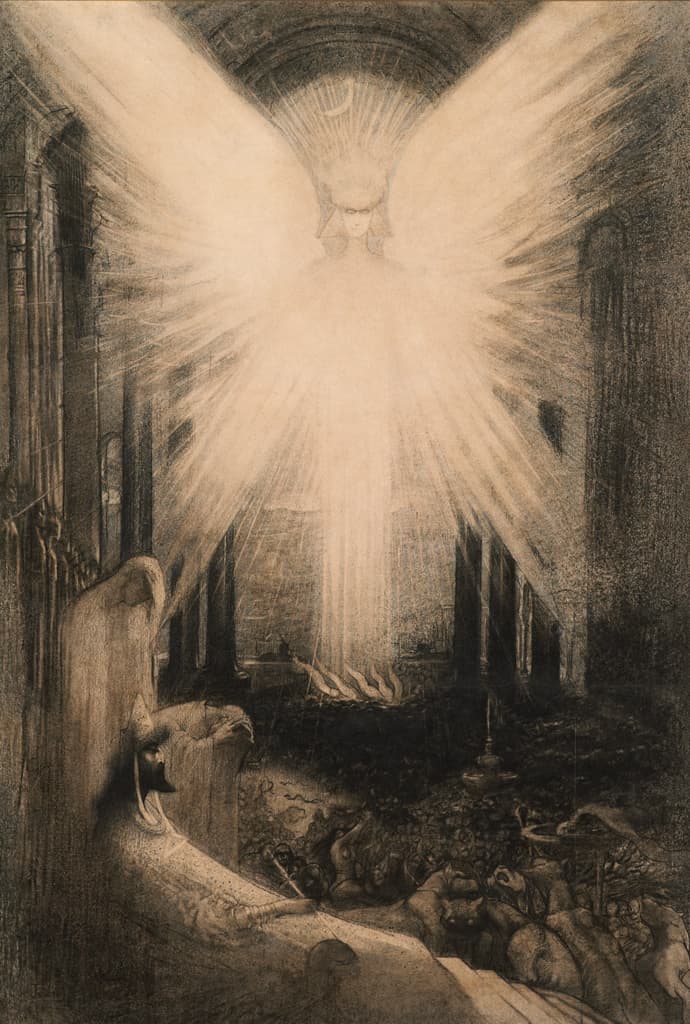
Azrael
Azrael is the canonical angel of death in Islam and appears in earlier apocryphal texts. He is depicted as a benevolent psychopomp, responsible for transporting souls after death and recording their fates. Azrael is recognized as one of the four archangels in Islam and corresponds to the Hebrew "Malakh ha-mavet" (Angel of Death).