
Moroni
Latter Day Saint movement
Moroni is described in the Book of Mormon as the final Nephite prophet, historian, and military commander. According to Latter Day Saint belief, he later became the Angel Moroni, who revealed the location of the golden plates to Joseph Smith. His role bridges the historical narrative of the Nephites with the foundational events of the Latter Day Saint movement.
Key Facts
- ›Last Nephite prophet, historian, and military commander.
- ›Son of Mormon, tasked with completing the Nephite record.
- ›Narrated the Books of Mormon chapters 8-9 and the Book of Moroni.
- ›Buried the golden plates after completing the record.
- ›Believed to have become the Angel Moroni in Latter Day Saint tradition.
- ›Directed Joseph Smith to the location of the golden plates.
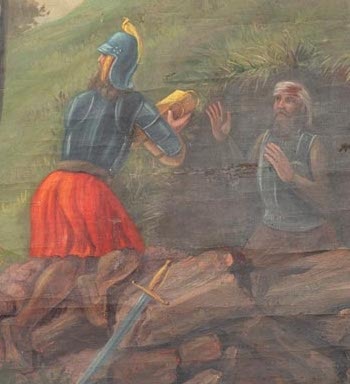
Angel Moroni
Prophet, Historian, Military Commander, Angel, Divine Messenger
Golden Plates
Book of Mormon
Mormon, Joseph Smith
- Statue of the Angel Moroni Atop Many Latter Day Saint Temples.
About Moroni
Moroni is a pivotal figure in the Book of Mormon and in the foundational beliefs of the Latter Day Saint movement. Within the narrative of the Book of Mormon, he is presented as the son of Mormon and the last in a long line of Nephite prophets, historians, and military leaders. Following the devastating final battle between the Nephites and the Lamanites at Cumorah, Moroni, under his father's direction, takes on the critical responsibility of completing and preserving the sacred Nephite record.
Moroni's primary literary contributions within the Book of Mormon include the completion of his father's abridged record, the narration of chapters 8 and 9 of the book of Mormon, and the entirety of the Book of Moroni. This final book contains his personal testimony, admonitions, and prophecies. Upon finishing his work, Moroni is recorded as having buried the golden plates, the physical record from which the Book of Mormon would later be translated, to protect them from destruction.
In Latter Day Saint theology, Moroni's story extends beyond his mortal life. He is believed to have been resurrected and transformed into an angel. In this capacity, the Angel Moroni is revered for his role in directing Joseph Smith to the hill where the golden plates were buried in the 1820s, thereby initiating the translation process that led to the publication of the Book of Mormon. He is often depicted in art and iconography as a trumpeting angel, symbolizing the restoration of the gospel.
Source: Wikipedia ↗
Frequently Asked Questions
Who was Moroni in the Book of Mormon?
Moroni was the last Nephite prophet, historian, and military commander. He was the son of Mormon and was instructed by his father to complete the Nephite record after the Nephites' defeat.
What significant task did Moroni undertake?
Moroni was responsible for completing the Nephite record, abridged from earlier records by his father. He narrated portions of the Book of Mormon, including chapters 8 and 9 of the book of Mormon, and the entirety of the Book of Moroni.
What happened to Moroni after completing the record?
After completing the record and burying the golden plates, Moroni went into hiding to escape the Lamanites. According to Latter Day Saint belief, he was later resurrected and became an angel.
What is Moroni's role in Latter Day Saint belief?
In Latter Day Saint tradition, Moroni became the Angel Moroni. He is believed to have appeared to Joseph Smith in the 1820s and directed him to the location of the buried golden plates, which contained the text of the Book of Mormon.
Is Moroni a significant figure in the Book of Mormon?
Yes, Moroni is a significant figure as the final prophet and recorder of the Nephite civilization. His writings and actions are crucial to the narrative of the Book of Mormon and its translation.
Related Angels
Asmodel
Angels are supernatural beings, often depicted as messengers or servants of a divine power, playing significant roles in Abrahamic religions and various other spiritual traditions. They are typically portrayed as benevolent entities, though some traditions also include fallen angels or demons. Angels are frequently associated with divine will, protection, and the execution of celestial judgment.
Eleleth
Eleleth is a significant luminary within Sethian Gnosticism, acting as an angelic being or a celestial dwelling place. As one of the four primary emanations of the supreme divine triad, Eleleth plays a crucial role in descending from the Pleroma to aid humanity, particularly in saving Norea from the Archons and revealing divine knowledge.
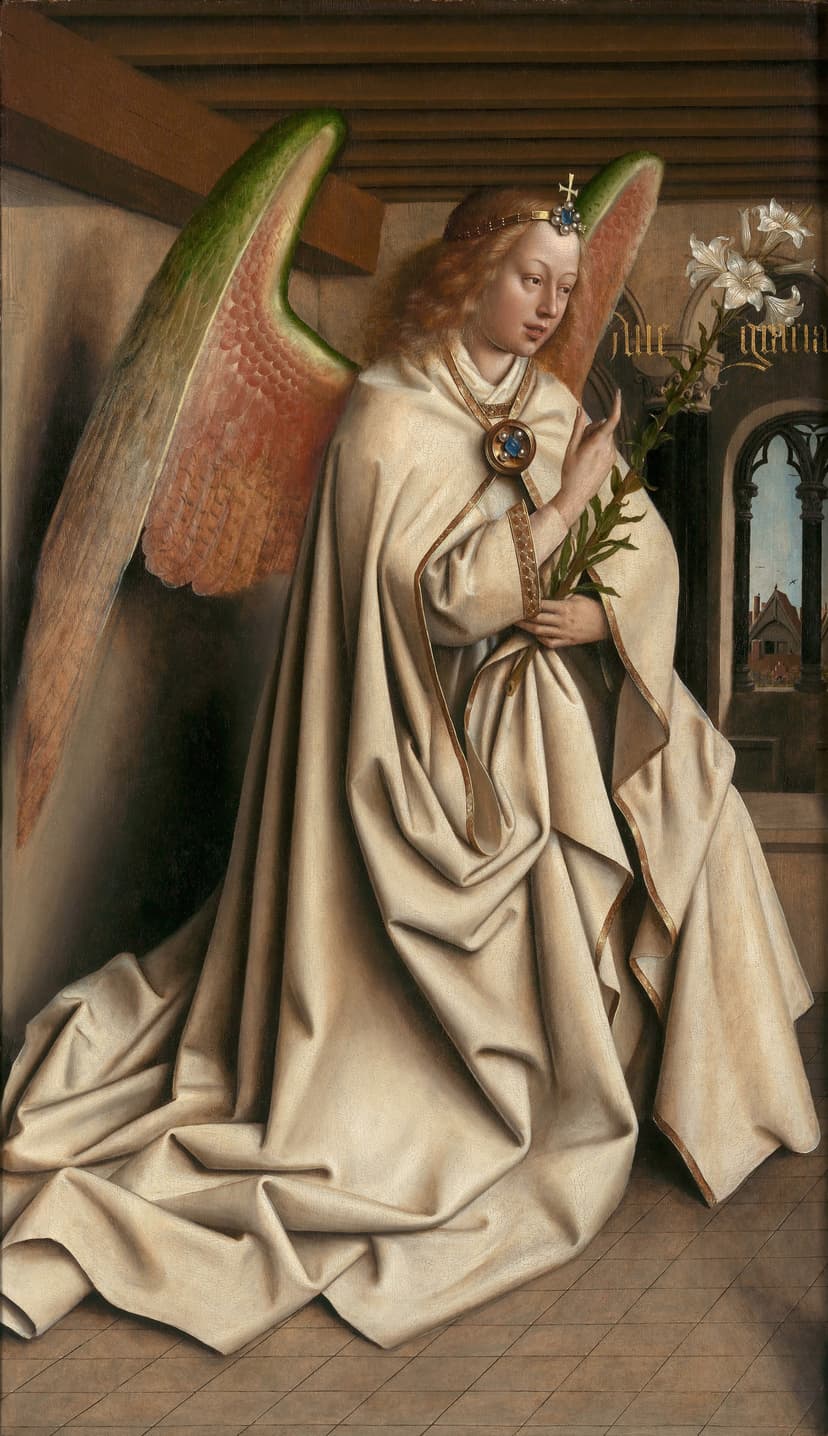
Gabriel
Gabriel is an archangel venerated in Abrahamic religions, primarily serving as God's messenger. He is known for announcing divine will and significant events, such as the births of John the Baptist and Jesus. Gabriel plays a crucial role in interpreting visions and is considered a guardian angel in some traditions.