
Bihram Rabba
Bihram Rabba, often referred to as "Bihram the Great," is a significant uthra, or angel, within Mandaeism. He presides over the masbuta, the Mandaean baptismal ritual, and plays a role in Mandaean scriptures where he is depicted as assisting in a rebellion against Yushamin and his sons. His name likely originates from Persian royal names.
Key Facts
- ›Bihram Rabba is an uthra (angel or guardian) in Mandaeism.
- ›He presides over the masbuta, the Mandaean baptism ritual.
- ›The name Bihram may derive from the Persian name Bahram, referencing Sasanian kings.
- ›Bihram is invoked in many Mandaean masbuta ritual prayers.
- ›In Mandaean scripture, Bihram participated in a rebellion, killing nine of Yushamin's sons.
- ›Bihram is also used as a Mandaean male baptismal name.
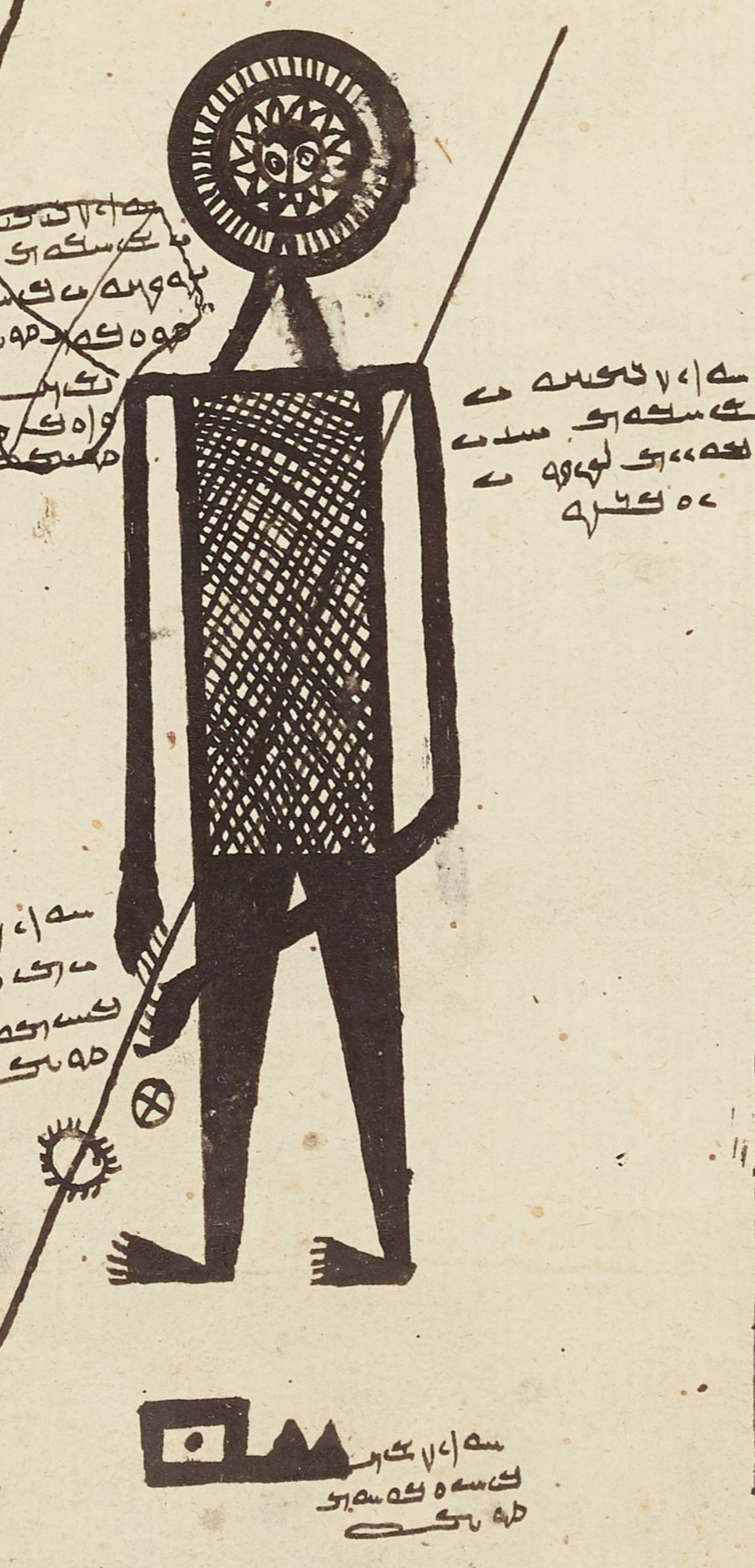
Bihram
Presides Over Baptism, Guardian
Qulasta, Mandaean Book of John
Nbaṭ, Gubran, Yawar, Yukabar, Yushamin, Micheus, Michar, and Mnesinous
About Bihram Rabba
Bihram Rabba, also known simply as Bihram, is a significant angel, or uthra, within the Mandaean religion. His name, meaning "Bihram the Great," likely derives from the Persian name Bahram, possibly in reference to Sasanian kings of the third century AD. Bihram Rabba holds a crucial position as the uthra who presides over the masbuta, the Mandaean ritual of baptism, a central sacrament in their faith.
Role in Mandaeism
As the uthra of baptism, Bihram Rabba is invoked in numerous ritual prayers associated with the masbuta. The Mandaean text known as the Qulasta frequently features prayers calling upon his name. Beyond his role in ritual, Bihram Rabba also appears in Mandaean scriptures, notably in the Mandaean Book of John. In this text, he is depicted as participating in a significant celestial conflict, assisting Nbaṭ and other uthras like Gubran, Yawar, and Yukabar in a rebellion against Yushamin and his twenty-one sons. During this conflict, Bihram is credited with killing nine of Yushamin's sons.
Name and Usage
The name Bihram is not only that of an angel but is also a Mandaean male baptismal name, distinct from Mandaean birth names. This indicates a personal connection and veneration of the angel within the community. The name also appears in the colophons of Mandaean texts, often associated with priests and scribes across different historical periods, further highlighting its importance in Mandaean culture.
Source: Wikipedia ↗
Frequently Asked Questions
Who is Bihram Rabba in Mandaeism?
Bihram Rabba, meaning "Bihram the Great," is an uthra, which is a Mandaean term for an angel or guardian. He holds a prominent position within Mandaean theology and ritual.
What is Bihram Rabba's primary role?
Bihram Rabba's primary role is to preside over the masbuta, the Mandaean ritual of baptism. This ritual is central to Mandaean practice and spiritual life.
Where is Bihram Rabba mentioned in Mandaean scriptures?
Bihram Rabba is mentioned in Mandaean texts such as the Qulasta. He is also depicted in chapter 3 of the Mandaean Book of John, where he assists in a rebellion.
What is the origin of the name Bihram?
The name Bihram is believed to have originated from the Persian name Bahram. It may refer to one or more Sasanian kings of the 3rd century AD.
Is Bihram Rabba associated with any other spiritual figures?
In Mandaean scriptures, Bihram is described as being led by Nbaṭ and accompanied by other uthras such as Gubran, Yawar, and Yukabar in a rebellion. He is also mentioned in parallel to figures in Sethianism who preside over baptism.
Related Angels
Sheetil
Sheetil is an uthra, or guardian angel, originating from the World of Light within Mandaeism. Considered the Mandaean equivalent of Seth, Sheetil is depicted as a son of the first Adam and a teacher of John the Baptist. This angelic figure played a role in revealing Mandaean teachings.
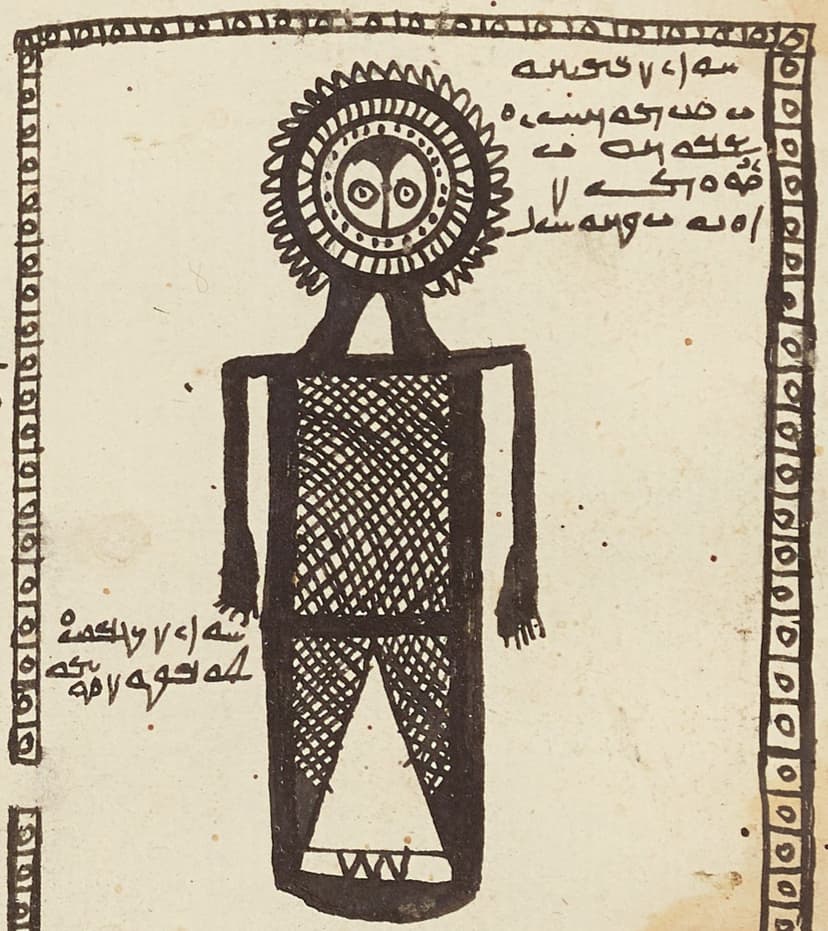
Simat Hayyi
Simat Hayyi, whose name translates to 'Treasure of Life,' is a significant figure in Mandaeism, representing the feminine personification of life. She originates from the World of Light and is considered an uthra, or divine being, often functioning as a guardian. Her theological significance lies in her role within the Mandaean cosmology and her connection to fundamental concepts of life and redemption.
Yurba
Yurba is an uthra, or angelic being, within the Mandaean tradition, often identified with Shamish, the sun. He is known as the fighter and is frequently depicted in conversation with Ruha. Yurba is also associated with Adonai of Judaism and Yao in some interpretations.