
Simat Hayyi
Simat Hayyi, whose name translates to 'Treasure of Life,' is a significant figure in Mandaeism, representing the feminine personification of life. She originates from the World of Light and is considered an uthra, or divine being, often functioning as a guardian. Her theological significance lies in her role within the Mandaean cosmology and her connection to fundamental concepts of life and redemption.
Key Facts
- ›Simat Hayyi is the feminine personification of life in Mandaeism.
- ›Her name translates to 'Treasure of Life' in Mandaic.
- ›She is described as an uthra, a divine being or angel originating from the World of Light.
- ›Simat Hayyi is married to Yawar Ziwa, another divine being.
- ›Chapters 57–59 of the Mandaean Book of John are specifically dedicated to her.
- ›Some interpretations suggest Simat Hayyi's journey from the World of Darkness to the World of Light signifies eventual redemption.
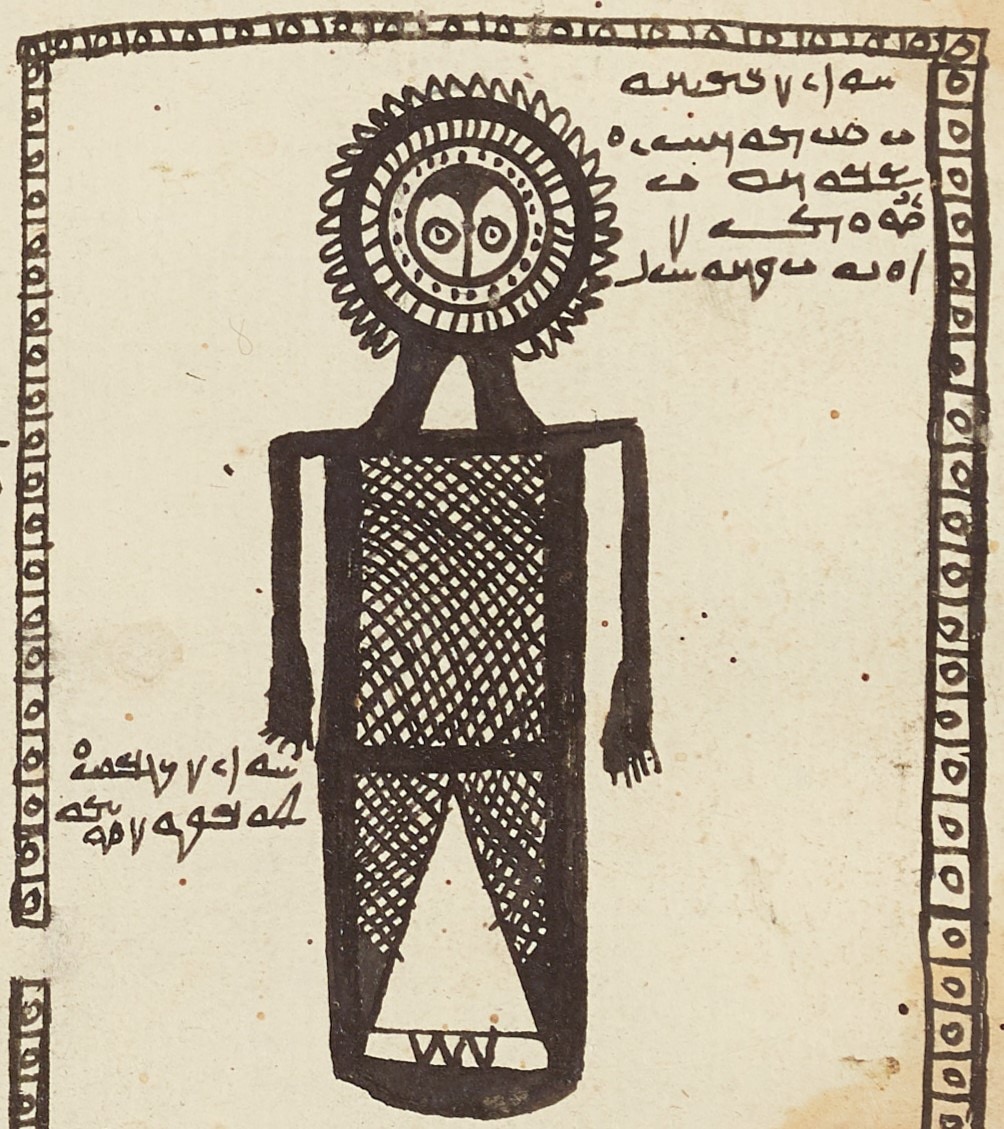
Simat Hiia, Life's Treasure
Personification of Life, Guardian
Mandaean Book of John
Yawar Ziwa, Great Mana, Ruha, Zahreil
About Simat Hayyi
Simat Hayyi, a significant figure within Mandaeism, is recognized as the feminine personification of life. Her name, derived from Classical Mandaic, translates directly to "Treasure of Life." Within the Mandaean cosmology, she is classified as an uthra, a class of divine beings or angels who emanate from the World of Light.
Role and Cosmology
Simat Hayyi plays a crucial role in Mandaean theology. She is depicted as originating from the World of Light and is associated with fundamental concepts of existence and vitality. Her theological importance is further underscored by her marital union with Yawar Ziwa, another prominent entity from the World of Light. She is also sometimes identified as the consort of the Great Mana, a central concept in Mandaean thought.
Scriptural Significance
The Mandaean Book of John dedicates specific chapters, notably 57 through 59, to Simat Hayyi, highlighting her importance in their sacred texts. Interpretations of these passages suggest a complex narrative of her existence, with some scholars, like Jorunn Jacobsen Buckley, proposing that texts describing Simat Hayyi emerging from the World of Darkness and ascending to the Place of Light imply a potential for redemption, even for beings initially associated with less favorable realms. This perspective suggests a nuanced understanding of spiritual progression within Mandaeism, where even figures linked to darkness might ultimately find their place in the luminous World of Light.
Source: Wikipedia ↗
Frequently Asked Questions
What does the name Simat Hayyi mean?
The name Simat Hayyi translates to 'Treasure of Life' in Classical Mandaic. It signifies her fundamental role as the personification of life itself within Mandaean theology.
What is Simat Hayyi's role in Mandaeism?
Simat Hayyi is an uthra, a divine being or angel in Mandaeism, originating from the World of Light. She represents the feminine personification of life and is sometimes referred to as a guardian.
Who is Simat Hayyi married to?
In Mandaean cosmology, Simat Hayyi is married to Yawar Ziwa, another significant figure from the World of Light. She is also sometimes named as the consort of the Great Mana.
Are there specific texts dedicated to Simat Hayyi?
Yes, chapters 57 through 59 of the Mandaean Book of John are dedicated to Simat Hayyi, indicating her importance within Mandaean scripture.
What is the significance of Simat Hayyi's journey in Mandaean texts?
Some interpretations, such as those by Jorunn Jacobsen Buckley, suggest that passages referring to Simat Hayyi coming from the World of Darkness and being raised to the Place of Light indicate a potential for redemption, even for beings associated with the darker realms.
Related Angels
Bihram Rabba
Bihram Rabba, often referred to as "Bihram the Great," is a significant uthra, or angel, within Mandaeism. He presides over the masbuta, the Mandaean baptismal ritual, and plays a role in Mandaean scriptures where he is depicted as assisting in a rebellion against Yushamin and his sons. His name likely originates from Persian royal names.
Sheetil
Sheetil is an uthra, or guardian angel, originating from the World of Light within Mandaeism. Considered the Mandaean equivalent of Seth, Sheetil is depicted as a son of the first Adam and a teacher of John the Baptist. This angelic figure played a role in revealing Mandaean teachings.
Yurba
Yurba is an uthra, or angelic being, within the Mandaean tradition, often identified with Shamish, the sun. He is known as the fighter and is frequently depicted in conversation with Ruha. Yurba is also associated with Adonai of Judaism and Yao in some interpretations.