
Adathan
Angels are spiritual beings, often depicted as messengers or guardians, found in various religious and mythological traditions. They serve as intermediaries between the divine and the human realms, playing roles such as divine messengers, protectors, and worshippers of a higher power. Their presence is significant across Abrahamic religions and other belief systems, where they embody divine will and offer guidance.
Key Facts
- ›Adathan is an uthra (angel or guardian) in Mandaeism.
- ›Adathan is always mentioned together with Yadathan.
- ›They stand at the Gate of Life in the World of Light.
- ›Adathan and Yadathan praise and worship Hayyi Rabbi.
- ›They are guardians of the 'first river' (yardna qadmayya).
- ›Adathan and Yadathan are frequently invoked in Mandaean prayers.
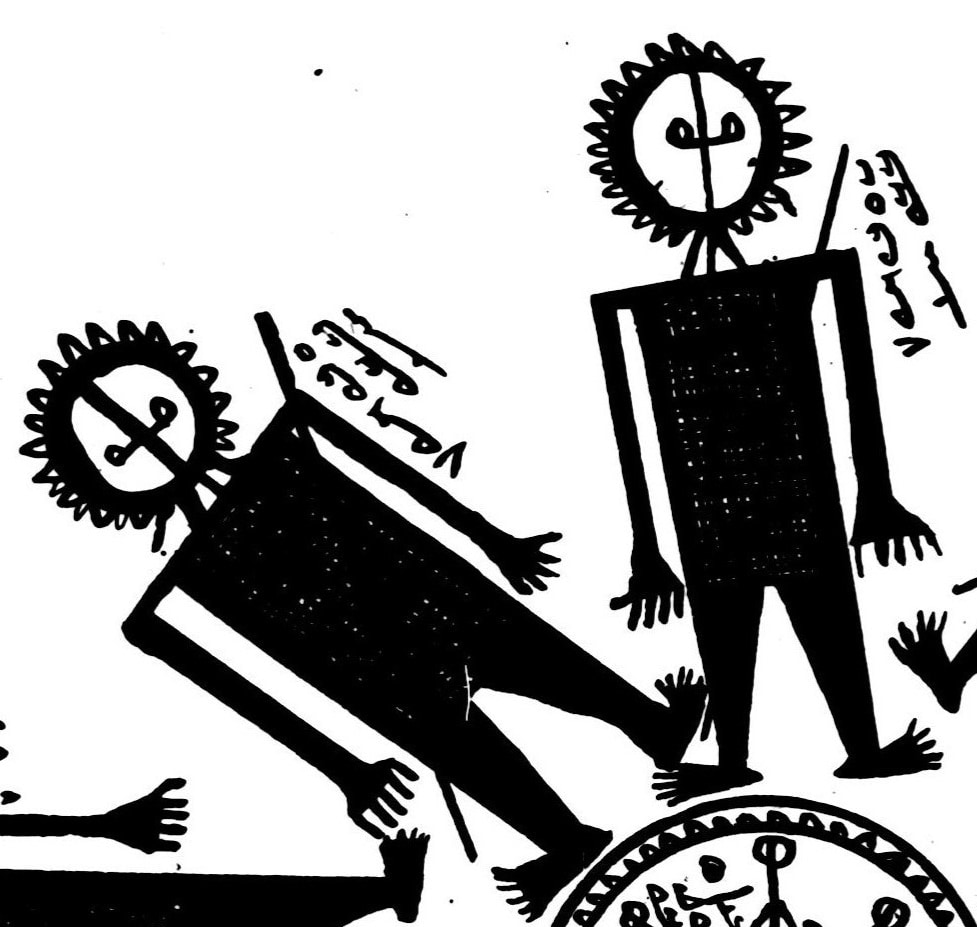
Guardian, Worshipper
Right Ginza, Qulasta Prayer, Asut Malkia
Yadathan, Hayyi Rabbi, Shilmai, Nidbai
About Adathan
Adathan in Mandaeism
Adathan is a significant figure within Mandaeism, a Gnostic religion. In Mandaean cosmology, Adathan is an uthra, a term that translates to angel or guardian. He is consistently paired with another uthra named Yadathan, and they are always mentioned together in religious texts and prayers.
Role and Significance
Adathan, alongside Yadathan, holds a prominent position at the Gate of Life, a location within the Mandaean World of Light. Their primary function in this sacred space is to praise and worship Hayyi Rabbi, the supreme divine being in Mandaeism. Furthermore, Book 14 of the Right Ginza identifies Adathan and Yadathan as the guardians of the "first river" (yardna qadmayya), indicating a protective and custodial role.
Invocation in Mandaean Prayers
Adathan and Yadathan are among the most frequently invoked uthras in Mandaean prayers. This frequent invocation underscores their importance in the religious practices and spiritual aspirations of Mandaeans. They are often mentioned in prayers such as the Asut Malkia, highlighting their continuous presence and relevance in the Mandaean faith.
Source: Wikipedia ↗
Frequently Asked Questions
Who are Adathan and Yadathan in Mandaeism?
Adathan and Yadathan are a pair of uthras, which are Mandaean terms for angels or guardians. They are consistently mentioned together in Mandaean texts and prayers.
What is the role of Adathan and Yadathan?
Adathan and Yadathan stand at the Gate of Life in the World of Light, where they praise and worship Hayyi Rabbi. They are also described as guardians of the 'first river'.
Where are Adathan and Yadathan mentioned in Mandaean texts?
They are mentioned in the Right Ginza (Book 14) and the Qulasta prayer. They are among the most frequently invoked uthras in Mandaean prayers, such as in the Asut Malkia.
Are Adathan and Yadathan always mentioned together?
Yes, in Mandaean texts and prayers, Adathan and Yadathan are always mentioned together.
Related Angels
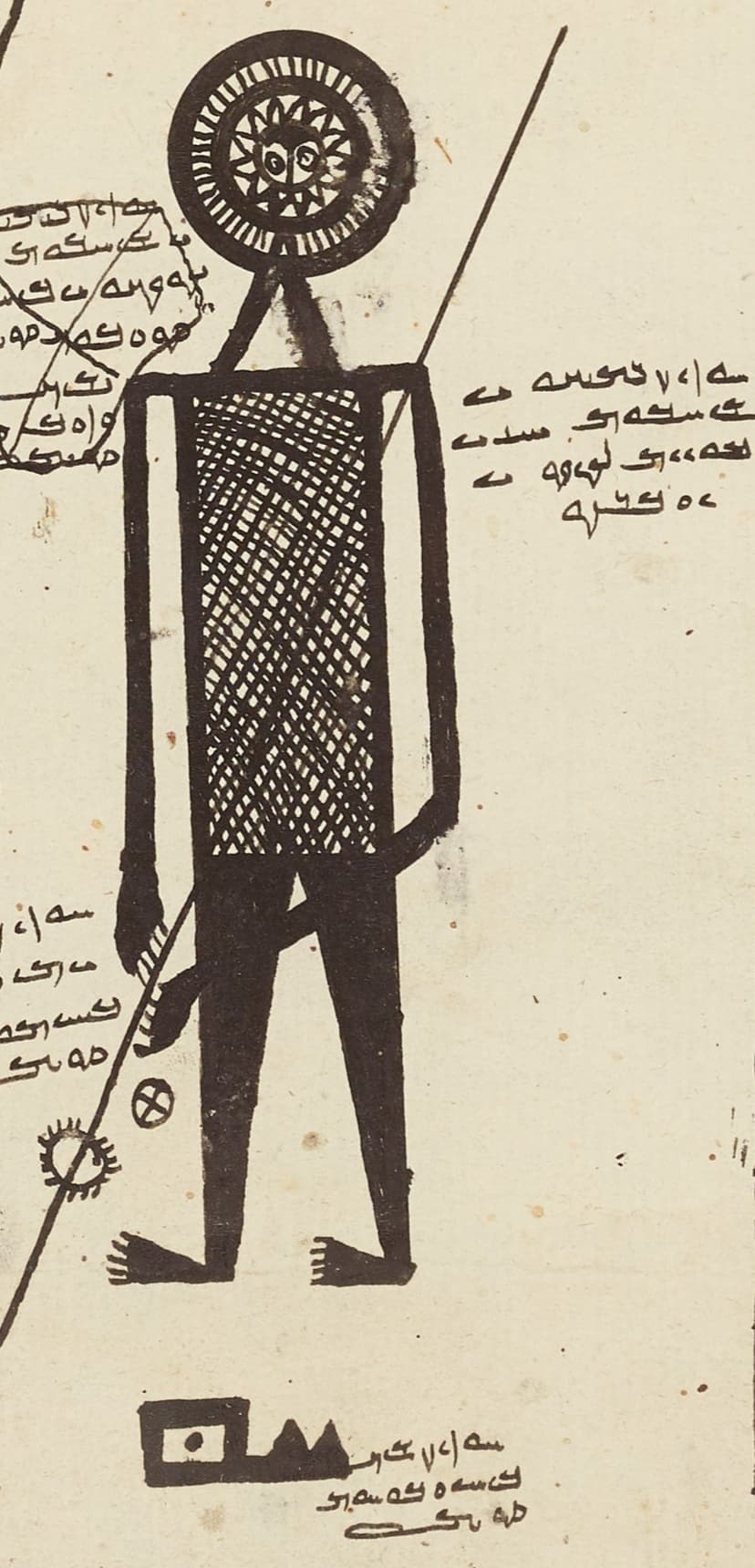
Bihram Rabba
Bihram Rabba, often referred to as "Bihram the Great," is a significant uthra, or angel, within Mandaeism. He presides over the masbuta, the Mandaean baptismal ritual, and plays a role in Mandaean scriptures where he is depicted as assisting in a rebellion against Yushamin and his sons. His name likely originates from Persian royal names.

Gubran
Gubran is an uthra, a type of angel or guardian figure within Mandaeism. He is known for his role in assisting in a rebellion against Yushamin and his followers, and is also described as being appointed to watch over Ur. Gubran is sometimes referred to as Gubran Uthra, and his consort is Guban.
Manda d-Hayyi
Manda d-Hayyi is a prominent angel (uthra) in Mandaeism, revered as the "Gnosis of Life" or "Knower of Life." Sent by the Great Life (Hayyi Rabbi), Manda d-Hayyi serves as a divine messenger, bringing essential knowledge and gnosis to Earth. He is considered the most important uthra, playing a significant role in Mandaean cosmology and theology, particularly in relation to John the Baptist and the transmission of sacred wisdom.