
Thirumoozhikkulam Lakshmana Perumal Temple
The Thirumoozhikkulam Lakshmana Perumal Temple, situated in Kerala, India, is a significant Hindu temple revered in the Sri Vaishnava canon. It is dedicated to Lakshmana Perumal and is part of the 108 Divya Desams, holding particular importance for its association with the Ramayana legend and the Nalambalam Yatra pilgrimage.
Key Facts
- ›The temple is one of the 108 Divya Desams, holy temples revered in the Nalayira Divya Prabhandham.
- ›It is associated with the legend of Lakshmana worshipping Rama during their exile, with the presiding deity taking the form of Lakshmana.
- ›Thirumoozhikkulam Lakshmana Perumal Temple is one of four temples forming the Nalambalam Yatra, dedicated to Rama, Bharata, Lakshmana, and Shatrughna.
- ›The temple adheres to Kerala style architecture, characterized by granite walls and a rectangular complex.
- ›It is administered by the Travancore Devaswom Board of the Government of Kerala.
- ›The traditional dance form of Kuttiyattam is practiced at this temple.
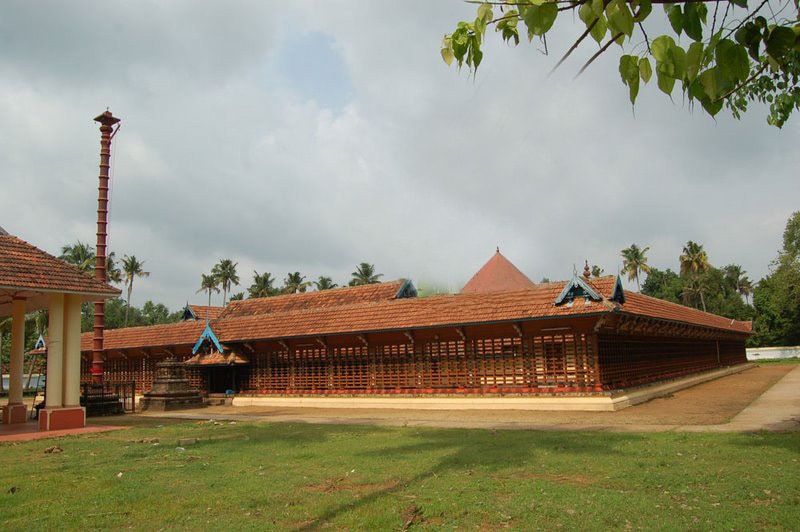
Lakshmana Perumal
- Revered In the Nalayira Divya Prabhandham, A Sri Vaishnava Canon.
- Associated With the Legend of Lakshmana and the Ramayana.
- Part of the Nalambalam Yatra Pilgrimage Circuit.
- One of the 13 Malai Naatu Divya Desams.
- Primary Center For the Traditional Dance Form Kuttiyattam.
Vaikuntha Ekadashi, Thiruvonam, Annual Festival In Medam
Granite, Laterite, Terracotta Tile
River Poorna
About Thirumoozhikkulam Lakshmana Perumal Temple
Thirumoozhikkulam Lakshmana Perumal Temple, located in Ernakulam district, Kerala, India, is a revered Hindu temple mentioned in the ancient Tamil Vedam (Nalayira Divya Prabhandham). It is classified as one of the 108 Divya Desams, holy temples of the Sri Vaishnava tradition, and specifically belongs to the Malai Naatu (Kerala/Chera) Divya Desams.
Legend and Religious Importance
The temple holds significant connections to the epic Ramayana. A key legend states that Lakshmana worshipped Rama here during their exile, with the presiding deity manifesting as Lakshmana. Another narrative recounts how Lakshmana, initially suspicious of his brother Bharata, offered worship alongside him after Bharata's innocence was proven. The name 'Tirumoozhikalam' is said to derive from 'tiru-mozhi-kalam,' meaning 'site where sweet words were uttered.' The temple is also one of the four sites that constitute the Nalambalam Yatra, a pilgrimage dedicated to Rama and his brothers, where worship on the same day is considered highly meritorious, particularly during the Ramayana Masam (Malayalam month of Karkidakam).
Architecture and Administration
Constructed in the characteristic Kerala style of architecture, the temple is enclosed by granite walls. It does not feature a towering gateway but has an archway from the main road. The complex includes a rectangular wall (Kshetra-Madilluka) encompassing shrines, a metal-plated flagpost (dvajasthambam), an outer pavilion (Chuttuambalam), and the central sanctum (Sreekovil). Within the Sreekovil, the idol of the presiding deity, Lakshmana Perumal, is enshrined. The central shrine itself has a circular base of granite, a superstructure of laterite, and a conical roof made of terracotta tiles supported by internal wooden structures. The temple is administered by the Travancore Devaswom Board of the Government of Kerala.
Worship and Practices
The temple is an active place of worship, open for darshan during specific hours. Major festivals celebrated include Vaikuntha Ekadashi and Thiruvonam, with a significant ten-day annual festival held in the month of Medam (April/May). Notably, the temple is one of the few sites where the traditional dance form of Kuttiyattam is practiced within the temple premises.
Source: Wikipedia ↗
Frequently Asked Questions
What is the significance of the Thirumoozhikkulam Lakshmana Perumal Temple in relation to the Ramayana?
The temple is strongly linked to the Ramayana epic. According to legend, Lakshmana worshipped Rama here, with the presiding deity believed to have taken the form of Lakshmana. Bharata also joined Lakshmana in worship after his innocence was revealed.
What is the Nalambalam Yatra and how does this temple fit into it?
The Nalambalam Yatra is a pilgrimage that visits four temples dedicated to Rama and his brothers: Rama at Thriprayar, Bharata at Irinjalakuda, Lakshmana at Moozhikkulam, and Shatrughna at Payammal. Devotees believe it is highly meritorious to worship at all four temples on the same day, especially during the Malayalam month of Karkidakam.
What are the architectural features of the Thirumoozhikkulam Lakshmana Perumal Temple?
The temple is built in the traditional Kerala style of architecture, enclosed by granite walls. It features a rectangular complex with a main sanctum dedicated to Lakshmana Perumal, and its central shrine has a circular plan with a granite base and a tiled conical roof.
What are the main deities worshipped at this temple?
The primary deity worshipped is Lakshmana Perumal, who is an aspect of Vishnu. The temple also houses shrines for Shiva as Dakshinamurthy, Krishna, Bhagavathy, and Ayyappa.
What major festivals are celebrated at the Thirumoozhikkulam Lakshmana Perumal Temple?
The two major festivals celebrated are Vaikuntha Ekadashi and Thiruvonam. An important annual festival spans ten days in the month of Medam (April/May).
Related Temples (Hindu)
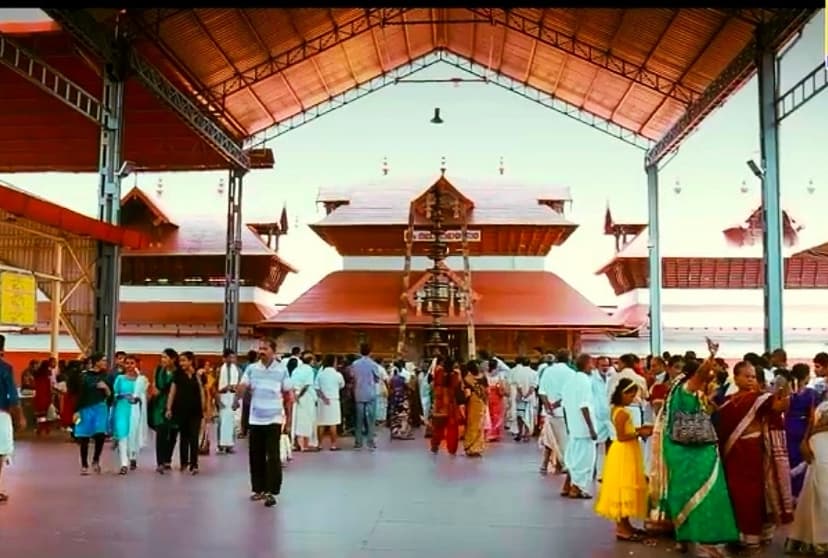
Guruvayur Temple
The Guruvayur Sri Krishna Temple, located in Kerala, India, is a highly revered and actively visited Hindu pilgrimage site dedicated to Guruvayurappan, a form of Vishnu. Known as Bhuloka Vaikunta (the Holy Abode of Vishnu on Earth), it is one of the busiest Vaishnava shrines and holds a significant place among the 108 Abhimana Kshethram.

Thirunakkara Mahadevar Temple
Thirunakkara Mahadevar Temple is a significant Hindu temple located in Kottayam, Kerala, India, dedicated to Lord Shiva. It is recognized as one of the 108 revered Shivalayas in Kerala and is believed to have been built by the Maharaja of Thekkumkur approximately 500 years ago. The temple is known for its traditional Kerala-style architecture, preserving numerous sculptures and murals of various Hindu deities.

Thrikodithanam Mahavishnu Temple
The Thrikodithanam Mahavishnu Temple is a Hindu temple in Kerala, South India, dedicated to Vishnu, specifically as Mahavishnu. It is renowned for its Kerala-style architecture and its mention in the early medieval Tamil canon, the Nalayira Divya Prabandham, recognizing it as one of the 108 Divya Desams dedicated to Krishna. Legend also connects it to the Pandavas of the Mahabharata, with Sahadeva believed to have built the shrine.