
Talesvara Siva Temple
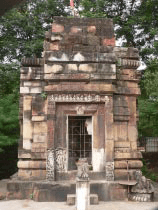
The Talesvara Siva Temple is a Hindu temple located in Bhubaneswar, Odisha, India, dedicated to Lord Shiva. Believed to have been established in the 8th century CE, it features a Rekha Deula architectural style, though its superstructure is absent. The temple has undergone significant renovation and is currently an active place of worship.
Key Facts
- ›Dedicated to Lord Shiva, with the presiding deity being a Siva lingam.
- ›Believed to have been established in the 8th century CE.
- ›Features a Rekha Deula architectural style, with the superstructure currently absent.
- ›Constructed primarily from light grey sandstone using dry masonry techniques.
- ›The temple compound is enclosed by a laterite block wall.
- ›Currently an active place of worship, owned by a private individual and managed by their family.
Shiva
- Historic Significance During the Bhauma-Kara Rule
- Cultural Significance Observed Through Festivals Like Sivaratri, Kartika Purnima, and Sankranti
Bhauma-Kara
Sivaratri, Kartika Purnima, Sankranti
Light Grey Sandstone, Laterite Blocks
Aja-Ekapada Bhairava, Eight Grahas On Architrave, Dvarapalas, River Goddesses
About Talesvara Siva Temple
The Talesvara Siva Temple is a Hindu place of worship located in Bhubaneswar, the capital city of Odisha, India. Dedicated to Lord Shiva, it is an active temple where daily rituals and worship are performed.
Historical Context and Architecture
Scholars believe the Talesvara Siva Temple was established in the 8th century CE. Its architectural style is classified as Rekha Deula, a prominent style in the Kalingan tradition. While the original superstructure is no longer extant, the temple's base, known as the bada, is preserved and features distinct divisions: the pabhaga, jangha, and baranda. The pabhaga, at the very base, is characterized by three mouldings: khura, kumbha, and pata, which exhibit archaic features. The temple is constructed from light grey sandstone using dry masonry techniques.
Significant Features and Sculptures
A key architectural element is the architrave above the entrance, which is intricately carved with the eight grahas (planets). The doorjambs are also profusely decorated with scrollwork and feature niches for dvarapalas (gatekeepers). Notably, a subsidiary niche on the northern wall houses a four-armed image of Aja-ekapada Bhairava, a fierce form of Shiva. The temple compound is enclosed by a wall made of dressed laterite blocks, and an ancient well constructed from laterite is also present within the complex.
Current Status and Significance
The temple has undergone significant renovations to preserve its structure, particularly the bada portion. Despite the absence of its superstructure, it remains a living temple, managed by a private owner and their family. The Talesvara Siva Temple holds cultural significance, with festivals such as Sivaratri, Kartika Purnima, and Sankranti being observed here. Its historical association with the Bhauma-Kara rule also adds to its importance.
Source: Wikipedia ↗
Frequently Asked Questions
Where is the Talesvara Siva Temple located?
The Talesvara Siva Temple is situated in Bhubaneswar, Odisha, India, on the left side of the Kedar Gouri road, north-east of the Parasuramesvara temple in the Old Town area.
What is the architectural style of the Talesvara Siva Temple?
The temple is of the Rekha Deula type. Although the superstructure is no longer present, its base features a bada with divisions that include pabhaga, jangha, and baranda, characteristic of this style.
When is the Talesvara Siva Temple believed to have been established?
Based on features such as the graha architrave carved with eight grahas and archaic pabhaga mouldings, it is believed that the temple was established in the 8th century CE.
What materials were used in the construction of the Talesvara Siva Temple?
The temple is made of light grey sandstone, and its construction techniques employed dry masonry. The surrounding compound wall is constructed from dressed laterite blocks.
Is the Talesvara Siva Temple still an active place of worship?
Yes, the Talesvara Siva Temple is an active temple where worship is conducted. It is currently managed by Sri Sudarsana Panda and his family members.
What are the significant architectural features of the Talesvara Siva Temple?
Notable features include the triratha plan of the vimana, a sanctum below the present platform level, richly carved decorative elements on the bada, and a doorjamb adorned with scrollwork and dvarapala niches. The architrave above the doorjamb is carved with the eight grahas.
Related Temples (Hindu)

Uttaresvara Siva Temple
The Uttaresvara Siva Temple is a 12th-century Hindu temple dedicated to Lord Shiva, located in Bhubaneswar, Odisha, India. While its original structure from the 7th century has undergone renovations, it remains a significant site featuring various deities and architectural elements. The temple is part of a larger precinct that includes other shrines and a sacred tank.
Bathu Temples
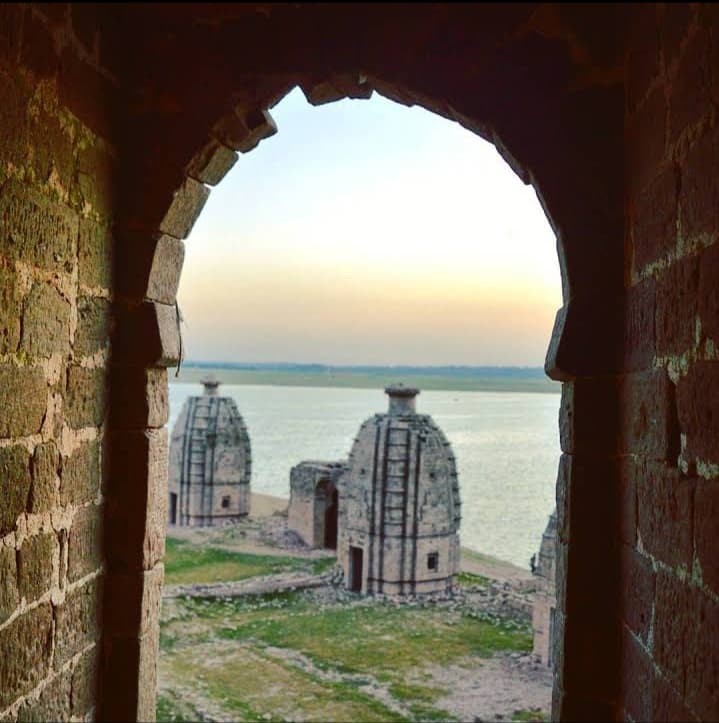
The Bathu Temples, also known as Bathu ki Ladi, are a cluster of ancient Hindu temples located in the Kangra district of Himachal Pradesh, India. Originally submerged by the Pong Dam reservoir in the 1970s, these temples are now only accessible for a few months each year when water levels recede. The main temple is primarily dedicated to Goddess Parvati and Lord Shiva, with some traditions also associating it with Lord Vishnu.

Pataleshwar Caves, Pune
The Pataleshwar Caves are an 8th-century rock-cut Hindu temple complex in Pune, Maharashtra, India, originally excavated during the Rashtrakuta period. Dedicated primarily to Shiva, the temple features a unique monolithic structure with a circular Nandi mandapa and a large pillared mandapa, with its sanctums carved deeper into the ground, giving it the name Pataleshwar, meaning 'Lord of the Underworld'. The site, managed by the Archaeological Survey of India, is a protected monument that has undergone restoration and now includes a surrounding garden and new idols.