
Shri Dev Rameshwar Mandir
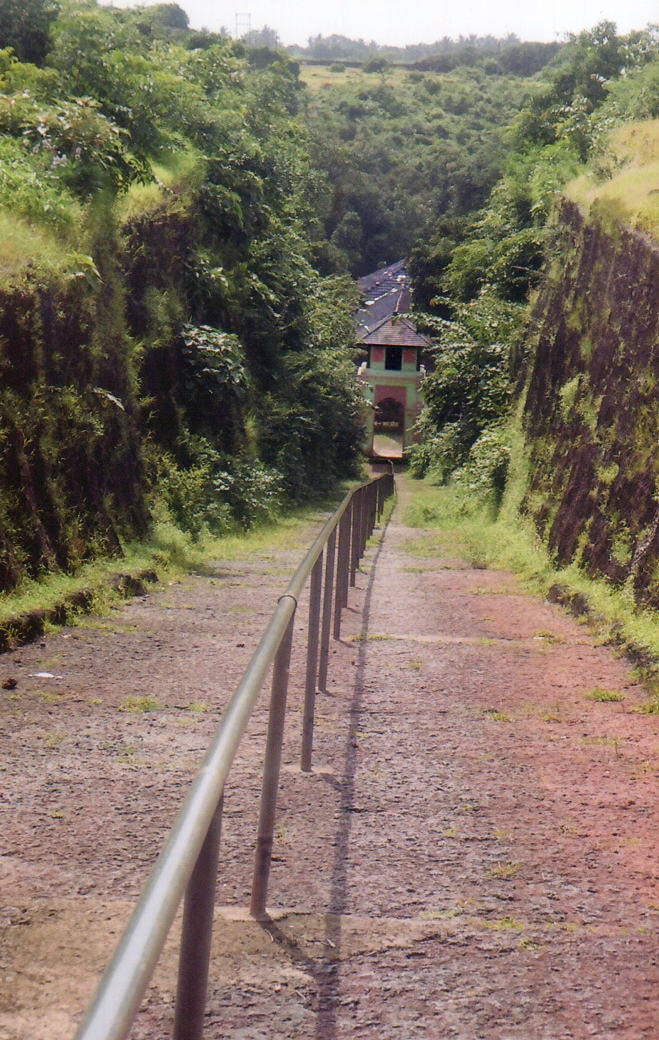
Shri Dev Rameshwar Mandir is a historic Hindu temple located in Rameshwar Wadi, Maharashtra, India, dedicated to Lord Shiva. Originally built in the 16th century, the temple has undergone several expansions and renovations, notably in the 18th century by Sarkhel Kanhoji Angre and his descendants, who added stone shrines, mandaps, and carved pillars. The temple is renowned for its 250-yard long approach cut through rock and its silver idol of Shiva.
Key Facts
- ›Dedicated to Lord Shiva.
- ›Constructed in the 16th century, with significant expansions in the 18th century.
- ›Features a unique 250-yard long approach cut through rock.
- ›Houses a four-armed silver idol of Shiva weighing approximately 100 kilograms.
- ›Adorned with wall paintings depicting scenes from the Ramayana and Mahabharata with 18th-century attire.
- ›The site of an annual six-day Mahashivratri fair attracting around 5,000 people.
Shiva
- Historic Temple With Unique Rock-Cut Approach
- Architectural Expansions Reflecting 18th-Century Maratha Influence
- Site of Annual Mahashivratri Fair
- Features Significant Wall Paintings From the 18th Century
Maratha Navy
Mahashivratri
Silver, Stone, Wood
Sarkhel Kanhoji Angre, Sardar Sambhaji Angre, Sankhoji Angre, Shrimant Madhavrao Peshwe, Subhedar Gangadhar Bhanu, Sarkhel Anandrao Rudrajirao Dhulap
- Four-Armed Silver Idol of Shiva
- Wall Paintings Depicting Ramayana and Mahabharata
About Shri Dev Rameshwar Mandir
Shri Dev Rameshwar Mandir is a significant Hindu temple located in Rameshwar Wadi, Devgad taluka, within the Sindhudurg District of Maharashtra, India. Dedicated to Lord Shiva, the temple's origins trace back to the 16th century, making it a site of considerable historical and religious importance.
Architectural Evolution
The temple is renowned for its unique approach, a channel measuring approximately 250 yards in length and fifty feet deep, meticulously cut through solid rock. This distinctive feature sets it apart from many other religious structures. Over the centuries, the temple has undergone substantial architectural modifications and expansions.
In the early 18th century, Sarkhel Kanhoji Angre initiated significant developments by constructing a quadrangular inner shrine, known as the Gabhara, around the existing Shiva pindi. This core sanctuary is crafted from finely hewn stones. Later in the mid-18th century, Sardar Sambhaji Angre and Sankhoji Angre further enhanced the temple by building a Mandap in front of the Gabhara, supported by four large wooden pillars adorned with intricate carvings. They also established a Pradakshina Marg (circumambulatory path) around the Gabhara, enclosing the primary temple complex. The entire structure now covers an area of 4,025 sq ft, with stone tiles extending to an additional 15,000 sq ft outside the main building.
Further modifications occurred in the late 18th century. Subhedar Gangadhar Bhanu, appointed in 1775, constructed a grand Sabha Mandap featuring twenty carved wooden pillars. Sarkhel Anandrao Dhulap was instrumental in adding two more gates on the northern and eastern sides, with the eastern gate created by cutting into a small hill. He also built the main entrance, the Mukhya Pravesh Dwar. A notable artifact is a large bell on the eastern gate, dated 1791, which was salvaged from a captured Portuguese ship.
Religious and Cultural Significance
The temple houses a striking silver idol of Shiva, depicted as a four-armed figure seated on a bull, estimated to weigh around a hundred kilograms. The condition of this idol is currently reported as good.
Wall Paintings
A unique artistic element of Shri Dev Rameshwar Mandir is its wall paintings. Created by artists commissioned by Sardar Sambhaji Angre, these murals depict scenes from the ancient epics, the Ramayana and Mahabharata. What makes them particularly noteworthy is the depiction of characters' clothing, weapons, and ornaments, which are consistent with 18th-century styles rather than the ancient periods the stories represent.
Annual Festivities
Each year, the temple hosts a significant six-day fair in the month of Magha, preceding Mahashivratri. This event attracts approximately 5,000 devotees from neighboring villages and towns. Mahashivratri itself is observed with fasting and all-night vigils, commemorating Shiva's Tandava dance and his marriage to Parvati. Devotees offer fruits, flowers, and Bael leaves to the Shiva Linga during this auspicious time.
Administration and Preservation
At present, the temple's management is overseen by five trustees appointed by the Civil Court in 1914. The Shri Dev Rameshwar Devasthan Vishwasta Mandal and Rameshwar Vikas Mandal, Mumbai, are responsible for the temple's upkeep and welfare. The trustees have undertaken regular repairs and renovation efforts since 1914, ensuring the temple remains in good condition. Donations for its development and refurbishment are recorded on the official temple website.
Source: Wikipedia ↗
Frequently Asked Questions
Where is Shri Dev Rameshwar Mandir located?
Shri Dev Rameshwar Mandir is situated in the village of Rameshwar Wadi, within Devgad taluka of the Sindhudurg District in Maharashtra, India.
What is the origin and history of Shri Dev Rameshwar Mandir?
The temple was initially built in the 16th century. Significant architectural additions and expansions, including the inner shrine (Garbhagriha) and Mandap, were made in the early and mid-18th century by figures like Sarkhel Kanhoji Angre and Sardar Sambhaji Angre.
What deity is worshipped at Shri Dev Rameshwar Mandir?
The temple is primarily dedicated to the Hindu deity Shiva. The central icon is a 'pindi' or Shivling, and the main idol is a four-armed silver figure of Shiva.
What are the notable architectural features of the temple?
Key features include a distinctive 250-yard long approach carved through solid rock to a depth of fifty feet. The temple also boasts a quadrangular inner shrine, a Mandap with carved wooden pillars, and Pradakshina Marg, along with later additions of gates and a Sabha Mandap.
What is the significance of the wall paintings in the temple?
The temple walls are decorated with paintings by artists appointed by Sardar Sambhaji Angre. These murals illustrate stories from the Ramayana and Mahabharata, uniquely depicting characters in 18th-century attire and weaponry.
When is the Mahashivratri fair held at the temple?
An annual fair is organized for six days during the month of Magha, leading up to the Mahashivratri day. This event draws approximately 5,000 visitors from surrounding villages and towns.
Related Temples (Hindu)

Trilokpur Temple
The Trilokpur Temple complex in Himachal Pradesh, India, is a significant Hindu pilgrimage site dedicated to Goddess Durga in her form as Mahamaya Bala Sundri. Legend states its origin in 1570 CE when a sacred stone representing the goddess appeared in a salt bag, leading to the construction of the main temple. The site is known for its amalgam of Indo-Persian architectural styles and attracts millions of devotees annually.

Hari Parbat
Hari Parbat is a significant hill overlooking Srinagar, Jammu and Kashmir, India, renowned for its historical fort and religious sites. It features a Hindu temple dedicated to Goddess Sharika (Parvati), identified with the sacred pebble of local mythology, alongside Muslim shrines and Sikh Gurdwaras.

Gavi Gangadhareshwara Temple
The Gavi Gangadhareshwara Temple is a 16th-century rock-cut temple in Bengaluru, India, dedicated to Lord Shiva. It is renowned for its unique architectural planning that allows sunlight to illuminate the lingam during specific times of the year, drawing large numbers of devotees.