
Shanaleshwara Swayambhu Temple
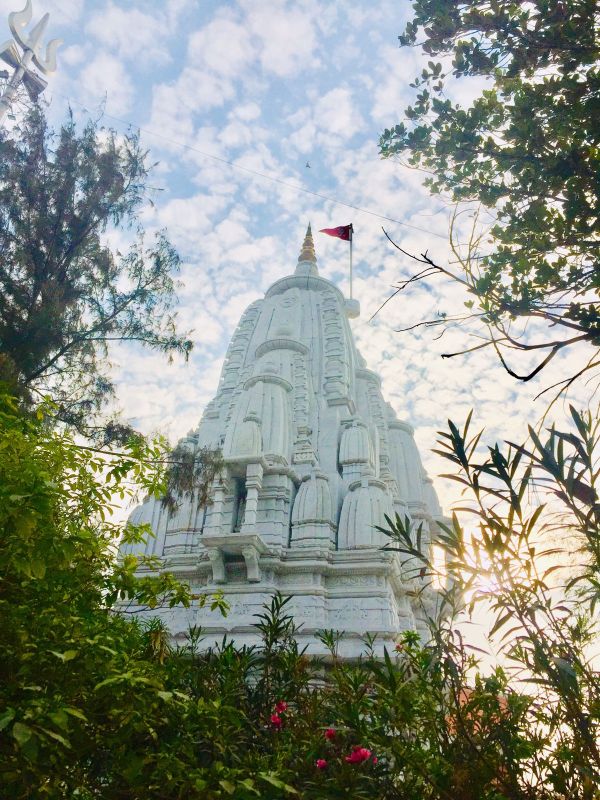
The Shanaleshwara Swayambhu Temple, located in Nalas village near Rajpura, Punjab, is dedicated to Lord Shiva. Its central shrine features a Swayambhu lingam, a self-manifested form of Shiva believed to be naturally formed and possessing inherent divine power. The temple is maintained by ascetics from the Juna Akhara Foundation and is a significant pilgrimage site, particularly during the Maha Shivaratri festival.
Key Facts
- ›Dedicated to Lord Shiva, with 'Shanaleshwara' signifying the worship of Shiva.
- ›Features a Swayambhu lingam, a self-created or natural lingam of Lord Shiva.
- ›The temple was commissioned by the Maharaja of Patiala in approximately 1592 AD.
- ›It has been home to ascetics from the 15th century and is part of a Guru-shishya tradition.
- ›Maha Shivaratri is a major festival, attracting lakhs of devotees and featuring a three-day fair.
- ›Devotees often undertake a pilgrimage on foot to the temple during Maha Shivaratri.
Shiva
- Significant Pilgrimage Site, Especially During Maha Shivaratri
- Home To A Swayambhu Lingam of Lord Shiva
- Established Place of Guru-Shishya Tradition
- Historically Maintained By Ascetic Sadhus
Maharaja of Patiala
Maha Shivaratri
Maharaja of Patiala
About Shanaleshwara Swayambhu Temple
The Shanaleshwara Swayambhu Temple is a significant Hindu shrine dedicated to the worship of Lord Shiva, located in Nalas village, approximately 7 kilometers from Rajpura in Punjab, India. The name "Shanaleshwara" itself signifies the worship of Lord Shiva. The temple's most prominent feature is the Swayambhu lingam of Lord Shiva housed within its sanctum. A Swayambhu lingam is understood as a self-created or naturally occurring lingam, believed to have manifested on its own and inherently possessing the divine power of Shiva, thus not requiring ritual consecration.
History and Discovery
The origins of the temple are rooted in legend. According to local lore, a cow was observed to regularly shed its milk over a specific bush in the then-forested Nalas region. A cowherd investigated this phenomenon and, upon digging at the spot, his axe struck a stone from which blood began to flow. A sage meditating nearby, Swami Karam Giri, recognized the divine nature of the stone, identifying it as a Swayambhu Shivling. This lingam is said to bear the mark of the axe strike to this day. Acknowledging this divine sign, the Maharaja of Patiala commissioned the construction of the temple in approximately 1592 AD.
Religious Significance and Traditions
The Shanaleshwara Swayambhu Temple holds considerable religious importance, particularly during the festival of Maha Shivaratri. This occasion is celebrated with a grand three-day fair, drawing hundreds of thousands of devotees who come to offer their vows. A long-standing tradition involves many devotees embarking on a pilgrimage on foot from their homes in the Rajpura area to the temple during Maha Shivaratri, with volunteers providing food and support along the way. The temple has also been a center for the Guru-shishya tradition and has been home to ascetics from the Juna Akhara Foundation since the 15th century, with these ascetics currently maintaining the temple.
Source: Wikipedia ↗
Frequently Asked Questions
What is the significance of the name Shanaleshwara Swayambhu Temple?
The name 'Shanaleshwara' signifies the worship of Lord Shiva, and 'Swayambhu' refers to the self-created or naturally manifested lingam housed within the temple. This means the lingam is believed to have appeared on its own, rather than being consecrated by human hands.
What is a Swayambhu lingam, and why is it important?
A Swayambhu lingam is a self-created or natural lingam of Lord Shiva, often an oval-shaped stone discovered at the site where it stands. These lingams are considered to inherently embody Shiva's power and do not require a ritual consecration known as 'prana pratishtha'.
What is the history behind the discovery of the lingam?
Legend states that a cow would regularly shed its milk on a specific bush in the forest. When a cowherd dug at the spot, an axe strike on a stone caused blood to flow. A nearby sage identified it as a Swayambhu Shivling, which is said to still bear the mark of the axe.
Who commissioned the construction of the Shanaleshwara Swayambhu Temple?
The construction of the temple was commissioned by the Maharaja of Patiala in approximately 1592 AD, following the discovery of the divine lingam.
What is the significance of Maha Shivaratri at this temple?
Maha Shivaratri is a great festival here, marked by a three-day fair that attracts lakhs of devotees each year. Many devotees undertake a traditional pilgrimage on foot from their homes to the temple during this time.
Who maintains the Shanaleshwara Swayambhu Temple?
The temple is maintained by the ascetic sadhus of the Juna Akhara Foundation. It has been home to sadhus since the 15th century and is a place of Guru-shishya tradition.
Related Temples (Hindu)

Trilokpur Temple
The Trilokpur Temple complex in Himachal Pradesh, India, is a significant Hindu pilgrimage site dedicated to Goddess Durga in her form as Mahamaya Bala Sundri. Legend states its origin in 1570 CE when a sacred stone representing the goddess appeared in a salt bag, leading to the construction of the main temple. The site is known for its amalgam of Indo-Persian architectural styles and attracts millions of devotees annually.

Hari Parbat
Hari Parbat is a significant hill overlooking Srinagar, Jammu and Kashmir, India, renowned for its historical fort and religious sites. It features a Hindu temple dedicated to Goddess Sharika (Parvati), identified with the sacred pebble of local mythology, alongside Muslim shrines and Sikh Gurdwaras.

Gavi Gangadhareshwara Temple
The Gavi Gangadhareshwara Temple is a 16th-century rock-cut temple in Bengaluru, India, dedicated to Lord Shiva. It is renowned for its unique architectural planning that allows sunlight to illuminate the lingam during specific times of the year, drawing large numbers of devotees.