
Radha Vallabh Temple, Vrindavan
The Radha Vallabh Temple in Vrindavan, India, is a significant 16th-century Hindu temple dedicated to Radha and Krishna. It is the main center for the Radha Vallabh Sampradaya and is renowned for its striking architecture and vibrant festivals.
Key Facts
- ›The temple is dedicated to Radha and Krishna, with Krishna worshipped as Shri Radha Vallabh.
- ›It was constructed in the 16th century under the guidance of Vrindavan Saint Hith Harivansha Mahaprabhu.
- ›Construction was completed in 1585 A.D. by Sundardas Bhatnagar, a disciple of Hith Harivansh Mahaprabhu's son.
- ›The temple's construction utilized red sandstone, a material typically reserved for imperial buildings at the time.
- ›It is famous for several key festivals, including Hitotsav, Radhashtami, and Krishna Janmashtami.
- ›The temple is a central site for the Radha Vallabh Sampradaya.
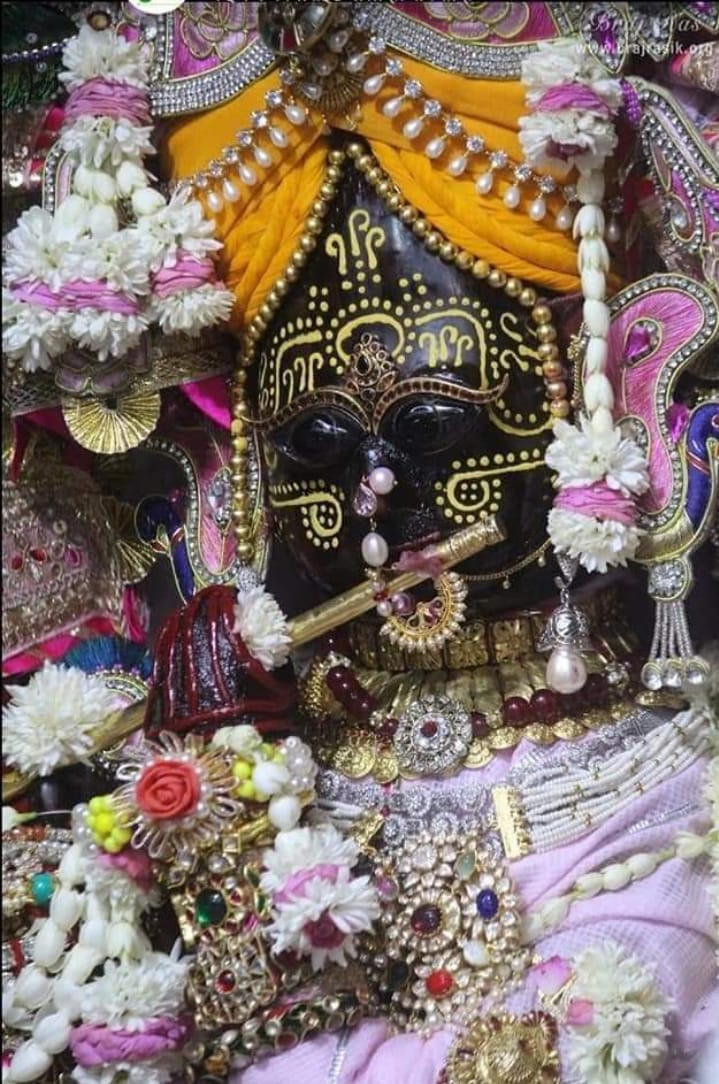
Radha Krishna
Center of Radha Vallabh Sampradaya, Historic 16th-Century Architecture, Pilgrimage Site In Vrindavan
Hitotsav, Radhashtami, Krishna Janmashtami, Vyahlu Utsav, Holi, Diwali, Sharad Purnima, Dussehra, Jhulan Utsav, Phool Banglas, Sanjhi Utsav, Patotsava
Red Sandstone
Hith Harivansh Mahaprabhu, Sundardas Bhatnagar, Abdul Rahim Khankhana, Akbar
About Radha Vallabh Temple, Vrindavan
The Radha Vallabh Temple, also known as the Shri Radha Vallabhlal ji Temple, is a historic Hindu temple located in Vrindavan, within the Mathura district of Uttar Pradesh, India. This significant temple serves as a central hub for the Radha Vallabh Sampradaya and is dedicated to the worship of the divine pair, Radha and Krishna.
History and Construction
The temple's construction dates back to the 16th century, initiated under the spiritual guidance of the Vrindavan saint Hith Harivansha Mahaprabhu. The current structure, known as the Old Radhavallabh Temple or Hith Mandir, was completed in 1585 A.D. by Sundardas Bhatnagar, a disciple of Hith Harivansh Mahaprabhu's son, Vanachandra. Sundardas Bhatnagar, who was employed by Abdul Rahim Khankhana at Akbar's court, received royal permission to use red sandstone for the temple's construction. This material was typically reserved for imperial buildings, royal palaces, and forts, underscoring the importance and patronage the temple received. It is noted that while King Maan Singh initially considered building the temple, he withdrew due to a legend of premature death for the builder, a prophecy that later befell Sundardas Bhatnagar.
Legend and Deity
According to popular legend, the central deity, Radhavallabh, was not sculpted by human hands but was divinely bestowed upon a devotee named Atmadev by Lord Shiva himself due to his intense devotion. Hith Harivansha Mahaprabhu, after residing in Devavan, was divinely instructed by Goddess Radha to marry the daughters of Atmadev and bring the idol of Radha Vallabhji to Vrindavan. Consequently, Hith Harivansh Mahaprabhu married Atmadev's daughters, and Atmadev gifted the idol of Radhavallabh ji to them on their wedding.
Architecture and Significance
The Radha Vallabh Temple is distinguished by its striking architecture and magnificent decor. Constructed in 1585, it stands as one of the oldest and enduring temples in Vrindavan, built with robust red sandstone walls that are 10 feet thick. Its location near the Bankey Bihari temple adds to its prominence. The temple is a focal point for the Radha Vallabh Sampradaya and a significant pilgrimage destination for devotees.
Festivals
The temple is renowned for its vibrant and colorful festivals. Major celebrations include Hitotsav, an 11-day festival honoring the founder Hith Harivansh Mahaprabhu; Radhashtami, a 9-day festival celebrating Goddess Radha's birth anniversary; and Krishna Janmashtami, marking Krishna's birth. Other annual festivals observed are Holi, Diwali, Sharad Purnima, Dussehra, Jhulan Utsav, Phool Banglas, Sanjhi Utsav, and Patotsava.
Source: Wikipedia ↗
Frequently Asked Questions
What deities are worshipped at the Radha Vallabh Temple?
The central deity is Krishna, worshipped under the name Shri Radha Vallabh, signifying his role as the consort of Radha. A crown is placed alongside Krishna to represent the presence of Goddess Radha, indicating their divine union.
When was the Radha Vallabh Temple built and by whom?
The temple was constructed in 1585 A.D. by Sundardas Bhatnagar. He was a disciple of Vanachandra, the son of Hith Harivansh Mahaprabhu, who guided its establishment.
What is significant about the construction materials of the Radha Vallabh Temple?
The temple was majestically built using red sandstone. At the time of its construction, this material was exclusively used for imperial buildings, royal palaces, and forts, highlighting the temple's importance and patronage.
What are the main festivals celebrated at the Radha Vallabh Temple?
Key festivals include Hitotsav, an 11-day event commemorating the tradition's founder; Radhashtami, a 9-day festival celebrating Radha's birth anniversary; and Krishna Janmashtami, celebrating Krishna's birth. The Vyahlu Utsav celebrates the wedding ceremony of Radha and Krishna.
What is the legend behind the deity of Radha Vallabh?
According to legend, the deity was not made by any sculptor but was gifted to a devotee named Atmadev by Lord Shiva. Later, Goddess Radha herself instructed Hith Harivansh Mahaprabhu to marry Atmadev's daughters and bring the idol to Vrindavan.
Related Temples (Hindu)

Trilokpur Temple
The Trilokpur Temple complex in Himachal Pradesh, India, is a significant Hindu pilgrimage site dedicated to Goddess Durga in her form as Mahamaya Bala Sundri. Legend states its origin in 1570 CE when a sacred stone representing the goddess appeared in a salt bag, leading to the construction of the main temple. The site is known for its amalgam of Indo-Persian architectural styles and attracts millions of devotees annually.

Hari Parbat
Hari Parbat is a significant hill overlooking Srinagar, Jammu and Kashmir, India, renowned for its historical fort and religious sites. It features a Hindu temple dedicated to Goddess Sharika (Parvati), identified with the sacred pebble of local mythology, alongside Muslim shrines and Sikh Gurdwaras.

Gavi Gangadhareshwara Temple
The Gavi Gangadhareshwara Temple is a 16th-century rock-cut temple in Bengaluru, India, dedicated to Lord Shiva. It is renowned for its unique architectural planning that allows sunlight to illuminate the lingam during specific times of the year, drawing large numbers of devotees.