
Padmalaya
Padmalaya is a village in Maharashtra, India, renowned for its ancient Ganesha temple. The village's name, meaning "Home of Lotus," is derived from a historical lotus pond near the temple. It is considered a significant pilgrimage site, particularly for its unique status as a "half Ganapati peeth."
Key Facts
- ›The village is named Padmalaya, meaning "Home of Lotus" in Sanskrit.
- ›It is home to a significant Ganesha temple considered a "half Ganapati peeth."
- ›The temple features two self-manifested (Swayambhu) Ganesha idols named Aamod and Pramod.
- ›The architecture of the stone temple is in the Hemadpanthi style.
- ›A pond named Bhimkund, associated with the legend of Bhima, is located near the temple.
- ›The Anjani river flows approximately 1 km from the village.
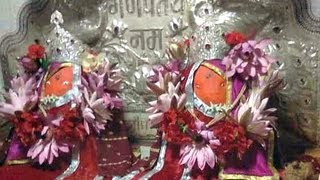
Ganesha
- Pilgrimage Site
- Religious Significance As A "Half Ganapati Peeth"
Stone
Aamod, Pramod
Bhimkund, Anjani River
About Padmalaya
Padmalaya is a village located in the Erandol taluka of Jalgaon district, Maharashtra, India. It is situated approximately 10 km from Erandol and 31.5 km from the district headquarters. The village is primarily known for its significant Ganesha temple and a pond located nearby.
Etymology and Naming
The name "Padmalaya" is a Sanskrit portmanteau derived from "Padmasya" and "Alaya," translating to "Home of Lotus." This name is believed to originate from a large lotus pond that historically existed adjacent to the local temple dedicated to Ganesha.
Religious Significance and Culture
The Padmalaya temple holds considerable religious importance, being recognized as one of India's "two and half Ganapati peeths," specifically revered as a "half Ganapati peeth." The temple features two Ganesha idols, both of which are considered Swayambhu (self-manifested). These idols are known as Aamod and Pramod.
Architecture and Legends
The temple is constructed of stone and is built in the Hemadpanthi architectural style. In front of the temple, the padukas (footprints) of Shree Govind Maharaj are preserved, accompanied by a large bell weighing 440 kg. A notable legend associated with the area involves the Pandava prince Bhima. It is said that after a battle with the rakshasa Bakasura, Bhima created a pond by striking his feet on the ground; this pond is known as Bhimkund and is located near the temple. According to the Mahabharata, the Pandavas reportedly bathed in Bhimkund during their period of exile.
Geographical Context
The Anjani river flows approximately 1 km away from Padmalaya. The Bhimkund pond, steeped in legend, is also a point of interest for visitors.
Source: Wikipedia ↗
Frequently Asked Questions
What is the significance of the name Padmalaya?
Padmalaya is a Sanskrit portmanteau of "Padmasya" and "Alaya," meaning "Home of Lotus." This name is derived from a large lotus pond that is believed to have once been adjacent to the local Ganesha temple.
What is special about the Ganesha temple in Padmalaya?
The Padmalaya temple is revered as one of "two and half Ganapati peeths" in India, specifically recognized as a "half Ganapati peeth." It houses two Swayambhu (self-manifested) Ganesha idols, known as Aamod and Pramod.
What is the architectural style of the Padmalaya temple?
The Padmalaya temple is a stone structure built in the Hemadpanthi architectural style. This style is characterized by its distinctive stone construction techniques and aesthetic.
Are there any significant water bodies associated with Padmalaya?
Yes, a pond named Bhimkund is located a few kilometers south of the temple and is a tourist attraction. Legend states that Bhima created this pond after a battle. The Anjani river also flows about 1 km from the village.
What legends are associated with Padmalaya?
A prominent legend recounts Bhima's battle with the rakshasa Bakasura, after which Bhima created the Bhimkund pond. According to the Mahabharata, the Pandavas are said to have bathed in Bhimkund during their exile.
Related Temples (Hindu)

Khandoba Mandir
The Khandoba Mandir in Jejuri, Maharashtra, India, is a prominent Hindu pilgrimage site dedicated to the deity Khandoba, an avatar of Lord Shiva. Situated atop a hill, the temple complex resembles a fort and is a significant spiritual center for many communities in the Deccan region.
Bhagwant Temple, Barshi
Bhagwant Temple, located in Barshi, Maharashtra, is a unique Hindu temple dedicated to Shri Vishnu, distinguished by its deity's name, 'Bhagavant'. Constructed in the Hemadpanthi architectural style in 1245 A.D., it is notable for its four entrances and a central Garudkhamb before the sanctum.

Taraknath Temple
The Taraknath Temple, located in Tarakeswar, West Bengal, India, is a significant Hindu pilgrimage site dedicated to Lord Shiva, worshiped here as Tarakanatha. Constructed in 1729, it features a distinct Bengal architectural style with an 'atchala' structure and an adjacent 'natmandir'. The temple is renowned for its belief that a dip in the nearby Dudhpukur tank fulfills prayers and is considered one of the 64 Jyotirlingas.