
Pabaneswara temple
Kalingan Rekha·10th century·India
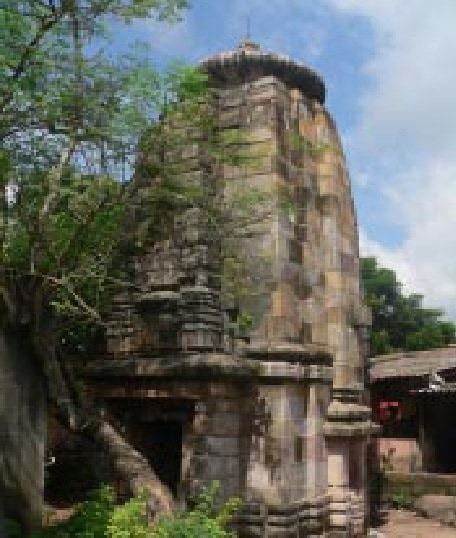
The Pabaneswara Shiva temple, previously known as Daitesvara Shiva temple, is located in Bhubaneswar, Odisha, India. It is a single structure built of grey sandstone in the Kalingan Rekha architectural style, dating back to the 10th century. The temple is dedicated to Lord Shiva and features a vimana with a renovated frontal porch.
Key Facts
- ›The temple is dedicated to Lord Shiva, with the presiding deity being a Shiva linga.
- ›It was constructed in the 10th century and previously known as Daitesvara Shiva temple.
- ›The architecture follows the Kalingan Rekha style, constructed from grey sandstone.
- ›The temple has a vimana and a renovated frontal porch, facing east.
- ›It is surrounded by private residential buildings and a market complex on three sides.
- ›The temple's doorjambs are decorated with scroll work, and the architrave features the navagrahas.
Shiva
10th-Century Temple Architecture, Example of Kalingan Rekha Style
Grey Sandstone
Gajalaxmi At Lalatabimba, Navagrahas On Architrave, Saivite Dvarapala With Trident
About Pabaneswara temple
Pabaneswara Shiva Temple
The Pabaneswara Shiva temple, historically known as the Daitesvara Shiva temple, is a significant religious site located in Bhubaneswar, Odisha, India. Dating back to the 10th century, this temple is dedicated to Lord Shiva, with the central deity being a Shiva linga housed within a circular yonipitha in the sanctum.
Architectural Style and Features
The temple is constructed in the Kalingan Rekha architectural style, a distinctive regional form characterized by its curvilinear spire. It is a single structure built entirely of grey sandstone. The temple faces east and comprises a vimana (the superstructure over the sanctum) and a renovated frontal porch. The extant structure shows evidence of renovation and rebuilding, particularly above the pabhaga (the base molding).
Architecturally, the temple's plan is ancharatha, featuring a central raha (offset) flanked by anuratha and kanika pagas. The elevation is trianga bada, measuring 2.90 meters in height. The pabhaga consists of four moldings: khura, kumbha, pata, and basanta. The jangha (the main wall section) is plain, measuring 1.65 meters, and is topped by a baranda (cornice) of 0.50 meters. The mastaka (the crowning element) adheres to the typical Kalingan style, including the beki, amlaka, khapuri, and kalasa.
Decorative Elements
While the main temple walls are devoid of extensive sculptural work, the doorjambs feature a single vertical band of scroll work. At the lalatabimba (the central decorative boss above the doorway), Gajalaxmi is depicted seated on a lotus. The right doorjamb has a niche housing a Saivite dvarapala (door guardian) holding a trident, crowned by a stylized chaitya motif. The architrave above the door is adorned with the traditional navagrahas (nine celestial bodies), seated in padmasana, with Ketu uniquely depicted with a serpent tail.
Location and Surroundings
The Pabaneswara Shiva temple is situated approximately 100 meters east of the Parashurameshvara Temple. Its surroundings are characterized by private residential buildings and a market complex on three sides, with a road running along the south. The temple's current setting places it within a bustling urban environment, contrasting with its historical origins.
Source: Wikipedia ↗
Frequently Asked Questions
Where is the Pabaneswara Shiva temple located?
The Pabaneswara Shiva temple is situated in Bhubaneswar, Odisha, India. It is located 100 meters east of the Parashurameshvara Temple, on the left side of the road leading to the Kedara Gauri temple.
What deity is worshipped at the Pabaneswara Shiva temple?
The presiding deity at the Pabaneswara Shiva temple is Lord Shiva. The deity is present as a Shiva linga situated within a circular yonipitha inside the sanctum.
When was the Pabaneswara Shiva temple built?
The Pabaneswara Shiva temple dates back to the 10th century. It is noted that the temple was rebuilt or renovated at some point, as indicated by building phases above the pabhaga.
What is the architectural style of the Pabaneswara Shiva temple?
The Pabaneswara Shiva temple is built in an architectural style known as Kalingan Rekha. It is a single structure made of grey sandstone.
Are there any notable sculptures or decorative features in the temple?
While the main temple structure is described as devoid of sculptural embellishment, the doorjambs are decorated with a single vertical band of scroll work. The lalatabimba features Gajalaxmi, and the architrave above the door is carved with the traditional navagrahas.
Related Temples (Hindu)

Shiva temple, Kera
The Shiva temple, Kera, also known as the Lakheshwara temple of Kerakot, is an ancient Hindu temple located in Kera village, near Bhuj in Gujarat, India. Built during the later part of the 10th century under the Chaulukya dynasty, it is dedicated to the deity Shiva and is renowned for its well-preserved spire and intricate sculptures, despite significant damage from historical earthquakes.

Varahi Deula, Chaurasi
Varahi Deula, Chaurasi is an ancient temple on the eastern coast of Odisha, India, dedicated to Goddess Varahi. Constructed in the 10th century during the Somavamsi rule, it is renowned for its unique Khakhara architectural style and the exquisite image of the deity, considered a masterpiece among Varahi depictions in India.

Ambika Mata Temple
The Ambika Mata Temple, located in Jagat village, Rajasthan, India, is a significant Hindu temple dedicated to Ambika Devi, a form of Goddess Durga. Constructed during the reign of Rawal Allata of Mewar, it is recognized as an early example of Māru-Gurjara architecture and is often referred to as the "Khajuraho of Mewar" due to its intricate sculptures.