
Osian, Jodhpur
Osian is an ancient town and oasis in the Thar Desert, located in the Jodhpur District of Rajasthan, India. Famous for its cluster of Hindu and Jain temples built between the 8th and 12th centuries, Osian was a significant religious and trading center during the Gurjara Pratihara dynasty.
Key Facts
- ›Osian is an ancient town situated in the Jodhpur District of Rajasthan, India.
- ›It is renowned for its collection of Hindu and Jain temples constructed between the 8th and 12th centuries AD.
- ›The town served as a major religious hub for Hinduism and Jainism for centuries.
- ›Osian was a significant trading center, particularly during the Gupta period and under the Gurjara Pratihara dynasty.
- ›The town experienced destruction and abandonment after an attack by Muhammad of Ghor in 1195.
- ›It is considered an important pilgrimage site for Jain communities, especially the Maheshwari and Oswal clans.
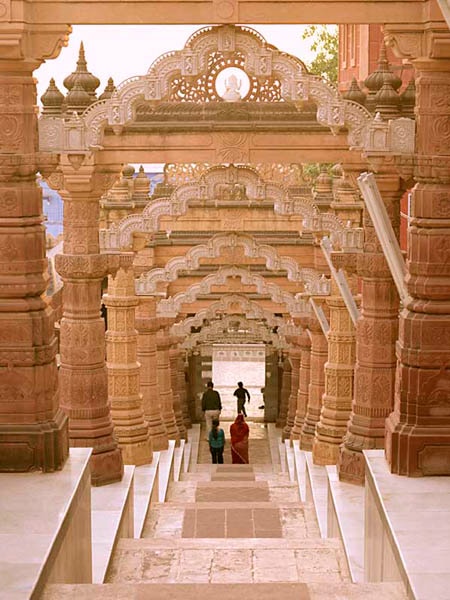
Mahavira, Sachiya Mata, Surya
- Religious Center For Hinduism and Jainism
- Major Trading Center
- Architectural Importance of Temples
- Historical Significance During Gurjara Pratihara Dynasty
Gurjara Pratihara Dynasty
King Vatsaraja, Utpaladeva, Acharya Ratnaprabhasuri
About Osian, Jodhpur
Osian, also spelled Osiyan, is an ancient town situated in the Jodhpur District of Rajasthan, western India. It is recognized as an oasis within the Thar Desert and holds significant historical and religious importance. The town was a prominent religious center for both Hinduism and Jainism for hundreds of years and also served as a major trading hub, particularly during the Gupta period and under the Gurjara Pratihara dynasty.
Religious and Architectural Heritage
The fame of Osian largely stems from its cluster of ruined Hindu and Jain temples, with many dating from the 8th to the 12th century AD. Among the eighteen shrines present, the Surya Temple, Sachiya Mata Temple, Katan Bawari, and the Jain temple dedicated to Mahavira are particularly noted for their architectural grace. The Mahavira Temple is considered an important tirtha for Jains and is believed to have been built by Gurjara Pratihara King Vatsaraja in 783 AD, making it one of the oldest surviving Jain temples in Western India. The Sachiya Mata Temple, also ancient, is situated on a hill and is attributed to Utpaldev.
Historical Context and Decline
Evidence suggests Osian is a very old settlement, with early names including Uvasisala and Ukesa. It was a vital stop for camel caravans during the Gupta period. The town's prosperity as a center of Hinduism and Jainism came to an abrupt end in 1195 when it was attacked by the armies of Muhammad of Ghor. The ensuing destruction led to the abandonment of the city by its inhabitants, and most of its temples were ruined.
Modern Significance
Despite its historical decline, Osian remains a significant Jain pilgrimage center for communities such as the Maheshwari and Oswal Jains. The town is also a notable tourist destination, attracting visitors interested in its ancient temples and desert landscape. It is located 69 km north of Jodhpur and is connected by road and rail.
Source: Wikipedia ↗
Frequently Asked Questions
What is Osian famous for?
Osian is primarily famous for its cluster of ancient Hindu and Jain temples, dating from the 8th to the 12th century. It was also a major religious and trading center for many centuries.
When were the temples in Osian built?
The temples in Osian were constructed between the 8th and 12th centuries AD. The Mahavira Temple, for instance, is believed to have been built in 783 AD.
What historical dynasties were associated with Osian?
Osian was a significant religious center during the Gurjara Pratihara dynasty. Tradition also states that the village was re-established by Utpaladeva, who was influential in the Pratihar dynasty and later converted to Jainism.
What happened to Osian in 1195?
In 1195, Osian was attacked by the armies of Muhammad of Ghor. This event led to the destruction of most of the city and its temples, causing the residents to flee and the city to become deserted.
Is Osian an important pilgrimage site?
Yes, Osian is an important Jain pilgrimage center, particularly for the Maheshwari and Oswal Jain communities. The Mahavira Temple is a significant tirtha for Jains.
What deities are worshipped at the temples in Osian?
The temples are dedicated to various Hindu and Jain deities. The Mahavira Temple is dedicated to Mahavira, and the Sachiya Mata Temple is dedicated to Sachiya Mata, who is considered a protector deity.
Related Temples (Hindu)
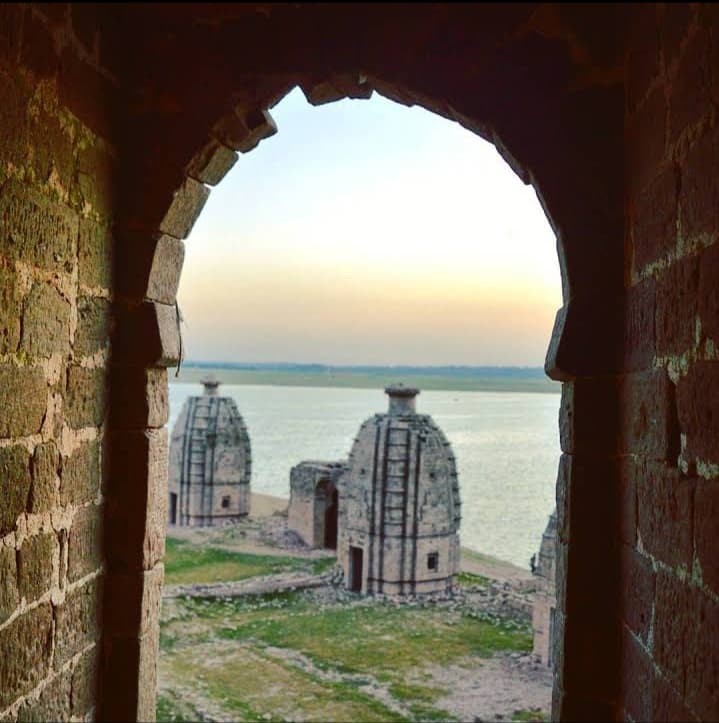
Bathu Temples
The Bathu Temples, also known as Bathu ki Ladi, are a cluster of ancient Hindu temples located in the Kangra district of Himachal Pradesh, India. Originally submerged by the Pong Dam reservoir in the 1970s, these temples are now only accessible for a few months each year when water levels recede. The main temple is primarily dedicated to Goddess Parvati and Lord Shiva, with some traditions also associating it with Lord Vishnu.

Pataleshwar Caves, Pune
The Pataleshwar Caves are an 8th-century rock-cut Hindu temple complex in Pune, Maharashtra, India, originally excavated during the Rashtrakuta period. Dedicated primarily to Shiva, the temple features a unique monolithic structure with a circular Nandi mandapa and a large pillared mandapa, with its sanctums carved deeper into the ground, giving it the name Pataleshwar, meaning 'Lord of the Underworld'. The site, managed by the Archaeological Survey of India, is a protected monument that has undergone restoration and now includes a surrounding garden and new idols.

Kichakeshwari Temple
The Kichakeshwari Temple in Khiching, Odisha, is a Hindu temple dedicated to Goddess Chamunda, also known as Kali. It served as the family and state deity for the Bhanja rulers of Mayurbhanj, with its original structure dating back to the 7th or 8th century. The temple is renowned for its Kalinga architectural style and intricate carvings, having been significantly reconstructed in 1934.