
Konark Sun Temple
The Konark Sun Temple, a 13th-century Hindu temple in Odisha, India, is dedicated to the Sun god Surya. Designed as a colossal chariot with immense stone wheels and horses, it represents the zenith of Kalingan architecture and artistic achievement. Though much of the temple now lies in ruins, its surviving structures are celebrated for their intricate carvings, depicting religious themes, daily life, and erotic scenes.
Key Facts
- ›The temple was built in the 13th century CE by King Narasingha Deva I of the Eastern Ganga dynasty.
- ›It is dedicated to the Hindu Sun-god Surya and is designed in the form of a giant chariot.
- ›The architecture reflects the Kalingan style and features 24 elaborately carved stone wheels, nearly 3.7 meters in diameter.
- ›The temple is renowned for its intricate sculptures and reliefs, including depictions of Hindu deities, daily life, and erotic kama and mithuna scenes.
- ›It was declared a UNESCO World Heritage Site in 1984 and remains a significant pilgrimage site.
- ›The temple was known as the "Black Pagoda" to European sailors due to its dark stone construction.

Surya
Architectural Masterpiece of Kalingan Style, Representation of the Sun God Surya's Chariot, Major Hindu Pilgrimage Site, Unesco World Heritage Site, Cultural Heritage Symbol of India
Eastern Ganga Dynasty
Chandrabhaga Mela
Chlorite, Laterite, Khondalite
Narasingha Deva I
Erotic Kama and Mithuna Scenes, Hindu Deities, Apsaras, Scenes From Daily Life and Culture, Animals, Aquatic Creatures, and Birds, Legendary Creatures, Musician Figures
Chandrabhaga River
About Konark Sun Temple
The Konark Sun Temple is a magnificent 13th-century Hindu temple located on the coast of Odisha, India, dedicated to the Sun god Surya. Attributed to King Narasingha Deva I of the Eastern Ganga dynasty, the temple is a monumental representation of a colossal chariot, complete with immense stone wheels and horses, symbolizing Surya's celestial journey. It stands as a pinnacle of Kalingan architecture and artistic mastery, renowned for its intricate carvings and symbolic design.
Architectural Marvel and Symbolism
Constructed from granite, laterite, and chlorite, the temple's design is deeply symbolic. Its 24 elaborately carved stone wheels, each nearly 3.7 meters in diameter, not only adorn the structure but also function as accurate sundials. The temple's orientation towards the east ensures that the first rays of the sunrise strike its main entrance. The architectural plan follows traditional Hindu temple layouts, incorporating square and circular geometries, and features detailed reliefs depicting Hindu deities, scenes from daily life, musicians, and various creatures.
Sculptural Richness and Erotic Themes
The walls of the Konark Sun Temple are adorned with a vast array of sculptures and reliefs, showcasing exceptional craftsmanship. These include depictions of Hindu deities such as Durga and Vishnu, celestial dancers (apsaras), secular life scenes, and elaborate friezes narrating religious texts. The temple is also notable for its erotic sculptures, or maithunas, which have garnered attention for their uninhibited celebration of sexuality, integrated within the broader context of human life and tantric traditions.
History, Destruction, and Preservation
The temple's construction dates back to around 1250 CE. While historical texts suggest it was an active and awe-inspiring site, much of the temple, particularly the sanctuary's shikara tower, is now in ruins. The cause of its destruction remains a subject of debate, with theories ranging from natural decay to deliberate destruction by invaders between the 15th and 17th centuries. European sailors referred to it as the "Black Pagoda." The temple was declared a UNESCO World Heritage Site in 1984 and has undergone restoration efforts. It continues to be a vital pilgrimage destination for Hindus, drawing visitors for events like the Chandrabhaga Mela.
Source: Wikipedia ↗
Frequently Asked Questions
Who commissioned the Konark Sun Temple?
The Konark Sun Temple was commissioned by King Narasingha Deva I of the Eastern Ganga dynasty, who reigned from 1238 to 1264 CE. Construction was overseen by Shiva Samantaraya Mahapatra.
What is the architectural style of the Konark Sun Temple?
The Konark Sun Temple is a prime example of Kalingan architecture, also known as the Odisha style. Its design is symbolic, representing the chariot of the Sun god Surya.
What deity is worshipped at the Konark Sun Temple?
The temple is dedicated to Surya, the Hindu Sun-god. It reflects Surya's iconography as a divine being traveling across the sky in a chariot.
Why is the Konark Sun Temple considered a UNESCO World Heritage Site?
It was declared a UNESCO World Heritage Site in 1984 for its outstanding architectural and artistic excellence, representing a pinnacle of 13th-century Indian temple design and sculpture. It is also recognized for its cultural significance.
What caused the destruction of the Konark Sun Temple?
The exact cause of the temple's destruction is unclear and remains a subject of controversy. Theories include natural damage and deliberate destruction during invasions by Muslim armies between the 15th and 17th centuries.
What is the significance of the wheels on the Konark Sun Temple?
The temple features 24 elaborately carved stone wheels, each nearly 3.7 meters in diameter. These wheels are symbolic and also function as sundials, capable of accurately calculating time.
Is the Konark Sun Temple still an active place of worship?
While the main sanctum and much of the temple are in ruins, it remains a significant pilgrimage site for Hindus. The Chandrabhaga Mela is celebrated here annually, indicating continued religious importance.
Related Temples (Hindu)

Varaha Lakshmi Narasimha temple, Simhachalam
The Varaha Lakshmi Narasimha temple in Simhachalam, Andhra Pradesh, is a significant Hindu temple dedicated to Lord Vishnu, worshipped as Varaha Narasimha. Renowned for its unique Kalingan architecture and the sandalwood-covered idol that resembles a lingam, the temple has a history spanning nearly a thousand years and has been patronized by various dynasties.
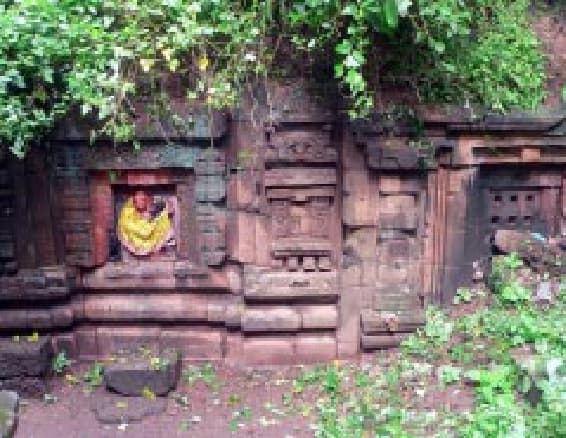
Narayani Temple
The Narayani Temple, situated in Bakutagaon village near Khalikote, Odisha, India, is a Hindu temple dedicated to the goddess Durga, also known as Narayani Devi. Constructed in the Kalingan architectural style, the temple honors Narayani Devi, who is revered as the goddess of wealth, prosperity, abundance, love, beauty, and grace, embodying a compassionate mother figure.

Charchika Temple
The Charchika Temple, located in Banki, Cuttack district, Odisha, is one of the state's oldest Shakti pilgrimage sites. It enshrines an eight-armed Chamunda, known locally as Maa Charchika Devi, depicted in a fierce form. The current temple structure dates to the 19th century, but the idol itself is believed to originate from the 9th-10th centuries, possibly during the Bhaumakara rule.