
ISKCON Temple, Pune
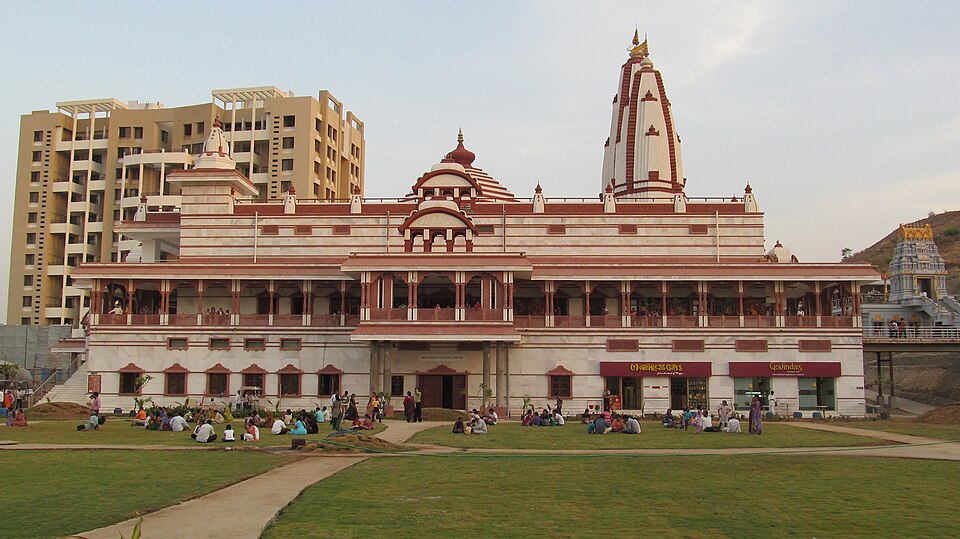
The ISKCON New Vedic Cultural Center (NVCC), also known as the Sri Sri Radha Vrindavanchandra temple, is a prominent Gaudiya Vaishnavism temple located in Pune, India. Inaugurated in 2013, it stands as the largest temple in Pune and is dedicated to the worship of Radha Krishna, with an additional temple for Venkateswara (Balaji).
Key Facts
- ›The temple is dedicated to Radha Krishna and Venkateswara (Balaji).
- ›Construction of the temple complex took seven years and was funded by the ISKCON temple in Camp and devotees.
- ›It was inaugurated by President Pranab Mukherjee in 2013.
- ›The complex is built on 6 acres of land.
- ›The main Radha Krishna temple is constructed in a North Indian architectural style, while the Venkateswara temple follows a South Indian architectural style.
Radha Krishna, Venkateswara
Largest Temple In Pune, Center For Gaudiya Vaishnavism
Red Stone, Marble, Kota Stone
Iskcon Temple In Camp, Devotees
About ISKCON Temple, Pune
ISKCON New Vedic Cultural Center (NVCC), Pune
The ISKCON New Vedic Cultural Center (NVCC), also known as the Sri Sri Radha Vrindavanchandra temple or ISKCON Pune, is a prominent Hindu temple dedicated to the Gaudiya Vaishnavism tradition, situated in Pune, India. Inaugurated in 2013, it holds the distinction of being the largest temple in the city of Pune. The temple complex is devoted to the worship of the Hindu deities Radha Krishna, with an additional shrine dedicated to Venkateswara (Balaji).
History and Construction
The construction of the ISKCON Pune temple complex spanned seven years and was built on a 6-acre site. The project was funded by the ISKCON temple in Camp, along with contributions from devotees. The inauguration ceremony in 2013 was a significant event, attended by President Pranab Mukherjee.
Architecture and Structure
The temple complex is comprised of two main temples. The primary Radha Krishna temple is designed in a North Indian architectural style, utilizing red stone and marble. Complementing this is the Venkateswara (Balaji) temple, which adheres to a South Indian architectural style, reminiscent of the Balaji temple in Tirumala, and is constructed using Kota stone.
Religious and Educational Activities
Beyond its architectural significance, the ISKCON Pune temple serves as a hub for spiritual learning and practice. The temple offers daily classes focusing on the study of the Bhagwad Gita and Srimad Bhagavatam, providing devotees and visitors with opportunities for religious education and spiritual discourse.
Source: Wikipedia ↗
Frequently Asked Questions
When was the ISKCON Temple in Pune opened?
The ISKCON Temple in Pune, also known as the Sri Sri Radha Vrindavanchandra temple, was opened in 2013. Its inauguration was marked by the presence of President Pranab Mukherjee.
What deities are worshipped at the ISKCON Temple in Pune?
The primary deity worshipped at the ISKCON Temple in Pune is Radha Krishna. The temple complex also houses a separate temple dedicated to Venkateswara (Balaji).
What is the architectural style of the ISKCON Temple in Pune?
The temple complex features two distinct architectural styles. The main Radha Krishna temple is built in the North Indian style using red stone and marble, while the Venkateswara temple is constructed in the South Indian style, similar to the Balaji temple in Tirumala, using Kota stone.
How large is the ISKCON Temple complex in Pune?
The ISKCON Temple complex in Pune is situated on 6 acres of land. It took seven years to construct this expansive facility.
What is the significance of the ISKCON Temple in Pune?
The ISKCON Temple in Pune is significant as it is the largest temple in the city. It serves as a center for Gaudiya Vaishnavism and offers daily classes on Bhagwad Gita and Srimad Bhagavatam.
Related Temples (Hindu)
Sri Sunama Jakini Matha
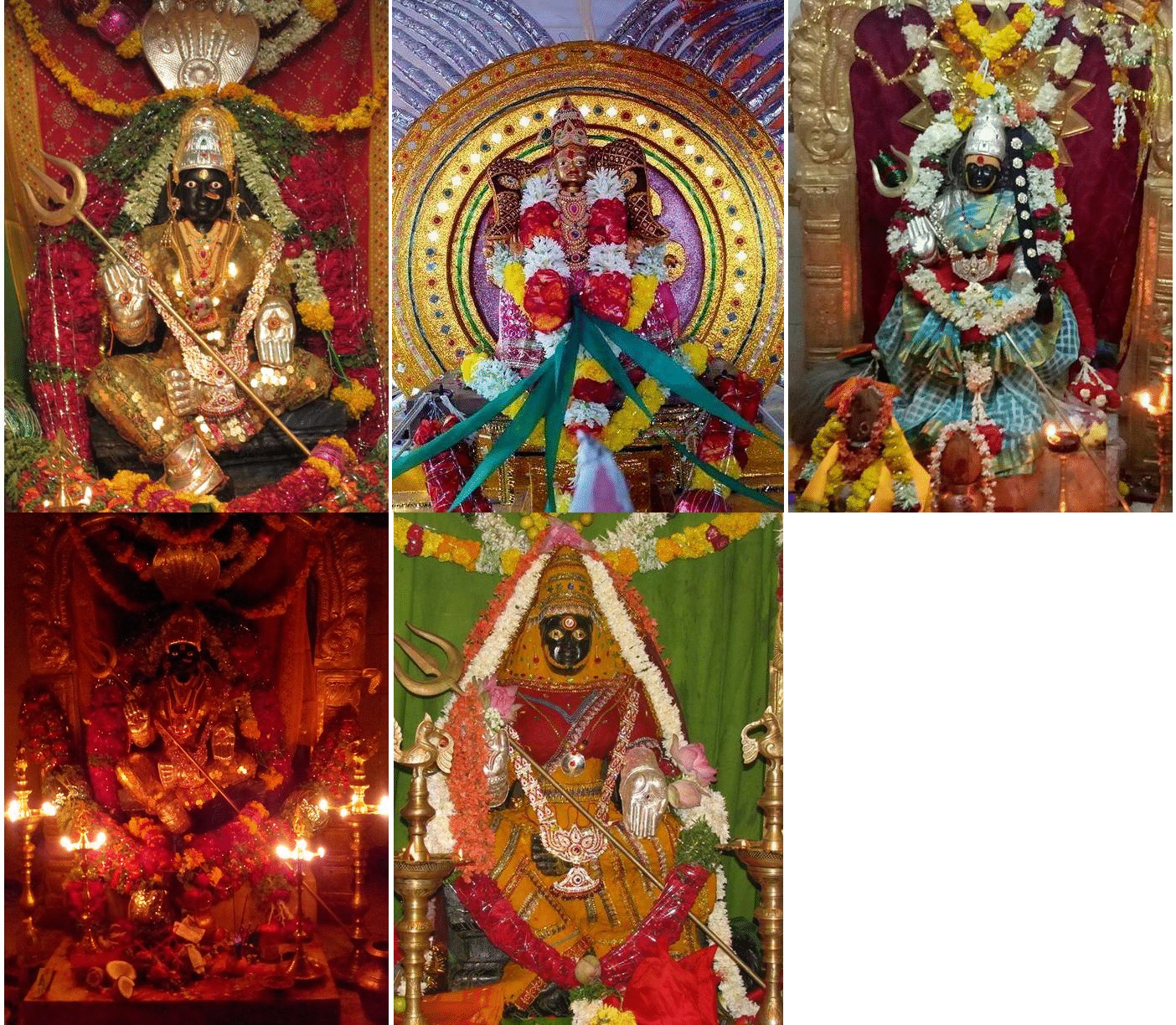
Sri Sunama Jakini Matha is a temple dedicated to a deified legendary woman from the Suryavamshi Kshatriya Are-Katika community. The temple commemorates her life and the unique circumstances of her spiritual passing, becoming a significant site of worship for her community.

Iskcon Temple, Chennai
The ISKCON Temple Chennai, also known as Sri Sri Radha Krishna Mandir, is a prominent Gaudiya Vaishnavism temple dedicated to Lord Krishna and his consort Radha. Inaugurated in 2012, it was established following the directives of ISKCON founder A. C. Bhaktivedanta Swami Prabhupada to create a significant spiritual center in Chennai.

Hare Krishna Golden Temple
The Hare Krishna Golden Temple, located in Banjara Hills, Hyderabad, India, is the first Golden Temple constructed in Telangana. Inaugurated in 2018, it is dedicated to multiple deities including Lakshmi Narasimha Swamy, Radha-Govinda, Lord Shiva, and Lord Hanuman. The temple is known for its significant golden features, including a 50-foot Dhwaja Stambh and a Rajagopuram with five golden stairs.