
Eklingji Mahadev Temple
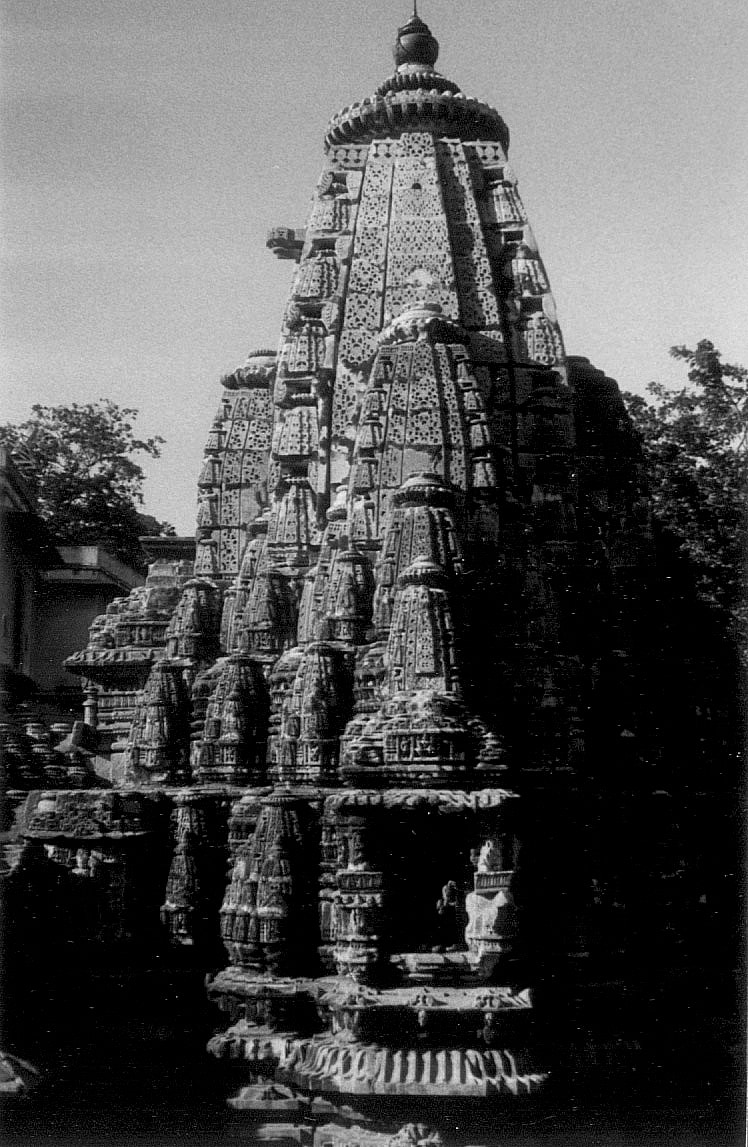
Eklingji Mahadev Temple is a significant Hindu temple complex located in Udaipur District, Rajasthan, India. Dedicated to Eklinga, a manifestation of Lord Shiva, it has historically served as the ruling deity of the Mewar region and its Maharana. The temple complex has undergone numerous reconstructions and renovations throughout its history, reflecting its enduring religious and political importance.
Key Facts
- ›The temple is dedicated to Eklinga, a form of Lord Shiva.
- ›It is considered the Kuladevata (ruling deity) of the Mewar Princely State.
- ›The original temple was reportedly built by 8th-century ruler Bappa Rawal.
- ›The temple has been destroyed and rebuilt multiple times due to invasions and natural damage.
- ›Rana Kumbha and Rana Raimal were significant patrons who undertook major rebuilding efforts.
- ›The temple's control has shifted between different Hindu sects over centuries.
Eklinga
Ruling Deity of Mewar Princely State, Historical Seat of Power For Maharanas, Religious Pilgrimage Site
Mewar Dynasty
Bappa Rawal, Hamir Singh, Rana Kumbha, Rana Raimal
About Eklingji Mahadev Temple
Eklingji Mahadev Temple is a prominent Hindu temple complex situated in Kailashpuri village, within the Udaipur District of Rajasthan, western India. Historically, it is recognized as the ruling deity, or Kula devata, of the Mewar Princely State, with its Maharana traditionally ruling as the deity's Dewan (Minister). This deep connection to the Mewar rulers highlights the temple's significant religious and political importance throughout history.
History and Reconstruction
The origins of the Eklingji Mahadev Temple are traced back to the 8th century, with the Ekalinga Mahatmya text crediting ruler Bappa Rawal with its construction. However, the original temple and its idol suffered destruction during invasions by rulers of the Delhi Sultanate. The earliest extant idol was later installed by Hamir Singh in the 14th century, who also undertook renovations. The temple saw substantial rebuilding efforts in the 15th century under Rana Kumbha, who identified himself as a 'personal servant of Ekling'. Further devastation occurred in the late 15th century when Ghiyath Shah of the Malwa Sultanate attacked the temple. Rana Raimal, Kumbha's son, subsequently rebuilt the complex with ransom money obtained from capturing Ghiyath Shah, and it was during his patronage that the present idol was installed in the main temple.
Religious Affiliation
Historically, the temple is believed to have initially belonged to the Pashupata sect. It later came under the custody of the Nath sect before transitioning to the control of the Ramanandis in the 16th century. This evolution in religious custodianship reflects the changing spiritual landscape and patronage over centuries.
Source: Wikipedia ↗
Frequently Asked Questions
Who is the primary deity worshipped at Eklingji Mahadev Temple?
The primary deity worshipped at Eklingji Mahadev Temple is Eklinga, which is considered a manifestation of Lord Shiva. This deity holds significant importance as the Kuladevata, or ruling deity, of the former Mewar Princely State.
When was the original Eklingji Mahadev Temple constructed?
According to the 15th-century text Ekalinga Mahatmya, the original temple at Eklingji was constructed by Bappa Rawal, an 8th-century ruler. However, this original structure and its idol were later destroyed.
Which rulers were instrumental in the rebuilding of Eklingji Mahadev Temple?
Several rulers played a role in the temple's reconstruction. Hamir Singh installed the earliest extant idol and carried out renovations in the 14th century. In the 15th century, Rana Kumbha rebuilt the temple, and his son Rana Raimal patronized the last major rebuilding and installed the present idol.
What is the historical significance of Eklingji Mahadev Temple for the rulers of Mewar?
Eklingji Mahadev Temple is deeply significant as it is believed to be the ruling god (Kula devata) of the Mewar Princely State. The Maharana of the Royal dynasty historically ruled as the Dewan, or Minister, of Eklinga, underscoring the temple's central role in the region's governance and identity.
Has the temple complex been damaged or attacked historically?
Yes, the temple complex has faced destruction and damage throughout its history. The original temple and idol were destroyed during invasions by Delhi Sultanate rulers. Later, in the late 15th century, Ghiyath Shah of the Malwa Sultanate also attacked and devastated the temple.
Related Temples (Hindu)
Bathu Temples
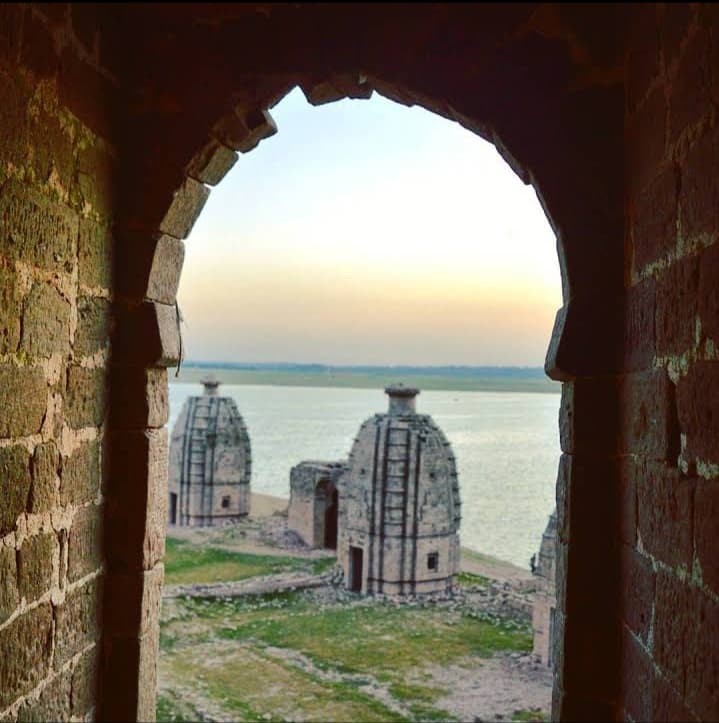
The Bathu Temples, also known as Bathu ki Ladi, are a cluster of ancient Hindu temples located in the Kangra district of Himachal Pradesh, India. Originally submerged by the Pong Dam reservoir in the 1970s, these temples are now only accessible for a few months each year when water levels recede. The main temple is primarily dedicated to Goddess Parvati and Lord Shiva, with some traditions also associating it with Lord Vishnu.

Pataleshwar Caves, Pune
The Pataleshwar Caves are an 8th-century rock-cut Hindu temple complex in Pune, Maharashtra, India, originally excavated during the Rashtrakuta period. Dedicated primarily to Shiva, the temple features a unique monolithic structure with a circular Nandi mandapa and a large pillared mandapa, with its sanctums carved deeper into the ground, giving it the name Pataleshwar, meaning 'Lord of the Underworld'. The site, managed by the Archaeological Survey of India, is a protected monument that has undergone restoration and now includes a surrounding garden and new idols.

Kichakeshwari Temple
The Kichakeshwari Temple in Khiching, Odisha, is a Hindu temple dedicated to Goddess Chamunda, also known as Kali. It served as the family and state deity for the Bhanja rulers of Mayurbhanj, with its original structure dating back to the 7th or 8th century. The temple is renowned for its Kalinga architectural style and intricate carvings, having been significantly reconstructed in 1934.