
Adikesava Perumal Temple, Kanyakumari
Dravidian and Kerala·8th century·India
The Adikesava Perumal Temple in Thiruvattar, Kanyakumari district, Tamil Nadu, is a significant Vaishnavite shrine and one of the 108 Divya Desams. Renowned for its unique architecture blending Dravidian and Kerala styles, the temple is situated in a picturesque location surrounded by three rivers and holds historical importance as the Rajya Temple of the Erstwhile Travancore Kingdom.
Key Facts
- ›It is one of the 108 Divya Desams, holy sites in Hindu Vaishnavism mentioned in ancient Tamil hymns.
- ›The temple's architecture is a fusion of Dravidian and Kerala styles, featuring wooden elements and stone pillars.
- ›It is strategically located, surrounded on three sides by the Kothai, Pahrali, and Thamirabarani rivers.
- ›The temple was the Rajya Temple and Bharadevatha shrine of the Erstwhile Travancore Kingdom.
- ›The presiding deity, Lord Adikesava Perumal, is depicted in a reclining posture, a view accessible through three doorways.
- ›Stone inscriptions suggest the temple was established in the Treta Yuga, with further additions made by Vijayanagara kings.

Adikesava Perumal, Vishnu
- One of the 108 Divya Desams, Holy Sites For Vaishnavism
- Historic Thirteen Divya Desams of Malai Nadu
- Rajya Temple and Bharadevatha Shrine of Erstwhile Travancore
- Architectural Blend of Dravidian and Kerala Styles
- Associated With the Sree Anantha Padmanabhaswamy Temple, Thiruvananthapuram
Chera Kingdom, Vijayanagara Empire, Travancore Kingdom
Vaikunta Ekadesi
Stone, Wood, Granite
Parasurama
Virabhadra Columns, Oorthuva Thandavam, Venugopala, Rathi and Manmatha, Lakshmana and Indrajit, Murals Depicting Epic Scenes and Deities
River Kothai, River Pahrali, River Thamirabarani
About Adikesava Perumal Temple, Kanyakumari
The Adikesava Perumal Temple is a significant Hindu temple dedicated to Lord Vishnu, located in Thiruvattar, within the Kanyakumari district of Tamil Nadu, India. It holds a place of high reverence as one of the 108 Divya Desams, the sacred abodes of Vishnu revered in the early Tamil Vaishnavite hymns dating back to the 7th and 8th centuries CE. The temple is also recognized as one of the thirteen Divya Desams in the Malai Nadu region.
Architectural and Historical Significance
The temple's architecture is a remarkable fusion of Dravidian and Kerala styles, characterized by its use of wooden pillars, doors, and roofs, alongside a substantial thirty-feet-high fort wall. The outer corridor is supported by 224 stone pillars, many of which are adorned with intricate sculptures and artwork. These artistic elements often depict scenes from the epic Ramayana, as well as various Hindu deities such as Shiva, Parvati, and Sri Krishna. The presiding deity, Lord Adikesava Perumal, is enshrined in a reclining posture, visible through three distinct doorways.
Historically, the Adikesava Perumal Temple was the Rajya Temple and Bharadevatha shrine for the Erstwhile Travancore Kingdom. Stone inscriptions within the temple indicate its establishment in the Treta Yuga, with further architectural contributions made by the Vijayanagara kings in the early 16th century, most notably the composite columns of Virabhadra. The temple complex also houses other shrines, including one for Ayyappan and a small shrine for Lord Lakshmi Narasimhaswamy.
Sacred Geography and Legends
A unique aspect of the Adikesava Perumal Temple is its picturesque setting, surrounded on three sides by the rivers Kothai, Pahrali, and Thamirabarani. This geographical feature has led to the temple being referred to as "The Srirangam of Chera Kingdom," drawing a parallel to the revered Srirangam temple where Vishnu also rests in a reclining posture amidst rivers. Legends surrounding the temple speak of Lord AdiKesavaSwamy defeating the demon Kesi, and the formation of the encircling rivers is attributed to events following this victory.
Connections and Devotional Practices
There is a profound connection between the Adikesava Perumal Temple and the famous Sree Anantha Padmanabhaswamy Temple in Thiruvananthapuram. The presiding deities of both temples are closely linked through various aspects, including festivals, rituals, and even structural patterns, such as the Ottakkal Mandapam. The temple was a site of worship for rulers of the Venad Kingdom, including Marthanda Varma, who sought blessings here before embarking on significant military campaigns. The temple celebrates festivals like Vaikunta Ekadesi with great fervor, and its prasadams include Paal Payasam, Aval, and Appam.
Source: Wikipedia ↗
Frequently Asked Questions
What is the significance of the Adikesava Perumal Temple being surrounded by rivers?
The temple is situated in a picturesque setting surrounded on three sides by the Kothai, Pahrali, and Thamirabarani rivers. This unique geographical placement contributes to its sacredness and is reflected in its epithet, "The Srirangam of Chera Kingdom," due to Vishnu residing here in a reclining position amidst the rivers.
What architectural styles are prominent in the Adikesava Perumal Temple?
The temple's architecture is a distinctive blend of Dravidian and Kerala styles. This fusion is evident in its use of wooden pillars, doors, and roofs, along with a thirty-feet-high fort wall and an outer corridor supported by 224 stone pillars.
What historical role did the Adikesava Perumal Temple play in the Travancore Kingdom?
The temple served as the Rajya Temple and Bharadevatha shrine for the Erstwhile Travancore Kingdom. Rulers like Marthanda Varma were staunch devotees and worshipped at the temple before undertaking major military campaigns, highlighting its royal patronage and importance.
What are some notable sculptural and artistic features within the temple?
The temple boasts significant artistic works, including sculptures and art depicting events from the Ramayana in its mandapams. It also features depictions of various Hindu deities and mythological figures. The Otraikkal Mandapam, a hall made of a single stone, and detailed carvings of figures like Virabhadra, Oorthuva Thandavam, and Venugopala are particularly noteworthy.
What is the legend behind the formation of the rivers around the temple?
According to legend, Lord AdiKesavaSwamy defeated the demon Kesi. The demon's wife, in an attempt to create destruction, prayed to the River Ganges and River Thamirabarani. Although her efforts were in vain as she surrendered to the Lord, the rivers formed a circle around the area, leading to its name Thiruvattaru.
Related Temples (Hindu)
Bathu Temples
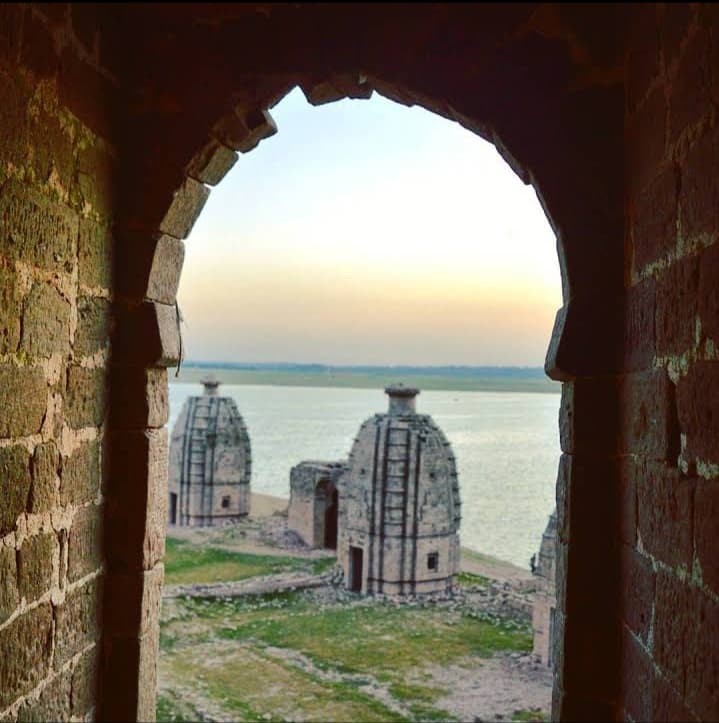
The Bathu Temples, also known as Bathu ki Ladi, are a cluster of ancient Hindu temples located in the Kangra district of Himachal Pradesh, India. Originally submerged by the Pong Dam reservoir in the 1970s, these temples are now only accessible for a few months each year when water levels recede. The main temple is primarily dedicated to Goddess Parvati and Lord Shiva, with some traditions also associating it with Lord Vishnu.

Pataleshwar Caves, Pune
The Pataleshwar Caves are an 8th-century rock-cut Hindu temple complex in Pune, Maharashtra, India, originally excavated during the Rashtrakuta period. Dedicated primarily to Shiva, the temple features a unique monolithic structure with a circular Nandi mandapa and a large pillared mandapa, with its sanctums carved deeper into the ground, giving it the name Pataleshwar, meaning 'Lord of the Underworld'. The site, managed by the Archaeological Survey of India, is a protected monument that has undergone restoration and now includes a surrounding garden and new idols.

Kichakeshwari Temple
The Kichakeshwari Temple in Khiching, Odisha, is a Hindu temple dedicated to Goddess Chamunda, also known as Kali. It served as the family and state deity for the Bhanja rulers of Mayurbhanj, with its original structure dating back to the 7th or 8th century. The temple is renowned for its Kalinga architectural style and intricate carvings, having been significantly reconstructed in 1934.