
Xenophon of Robika
June 28·15th century·Russia
Xenophon of Robeika was a Russian Orthodox monk who lived in the late 14th to early 15th centuries. He is venerated as a saint and is remembered for his monastic life, including serving as abbot of the Khutyn Monastery and later founding the St. Nicholas Monastery on the Robeika River. His relics are kept in the church of the monastery he founded.
Key Facts
- ›Xenophon took his monastic vows at the Lisitsky Monastery under Abbot Barlaam.
- ›He later served as hegumen (abbot) of the Khutyn Monastery.
- ›Xenophon founded the St. Nicholas Monastery on the Robeika River near Novgorod.
- ›His relics were placed in the church of the St. Nicholas Monastery.
- ›Historical details about Xenophon's life are scarce due to the loss of his original vita.
- ›His feast day is celebrated on June 28.
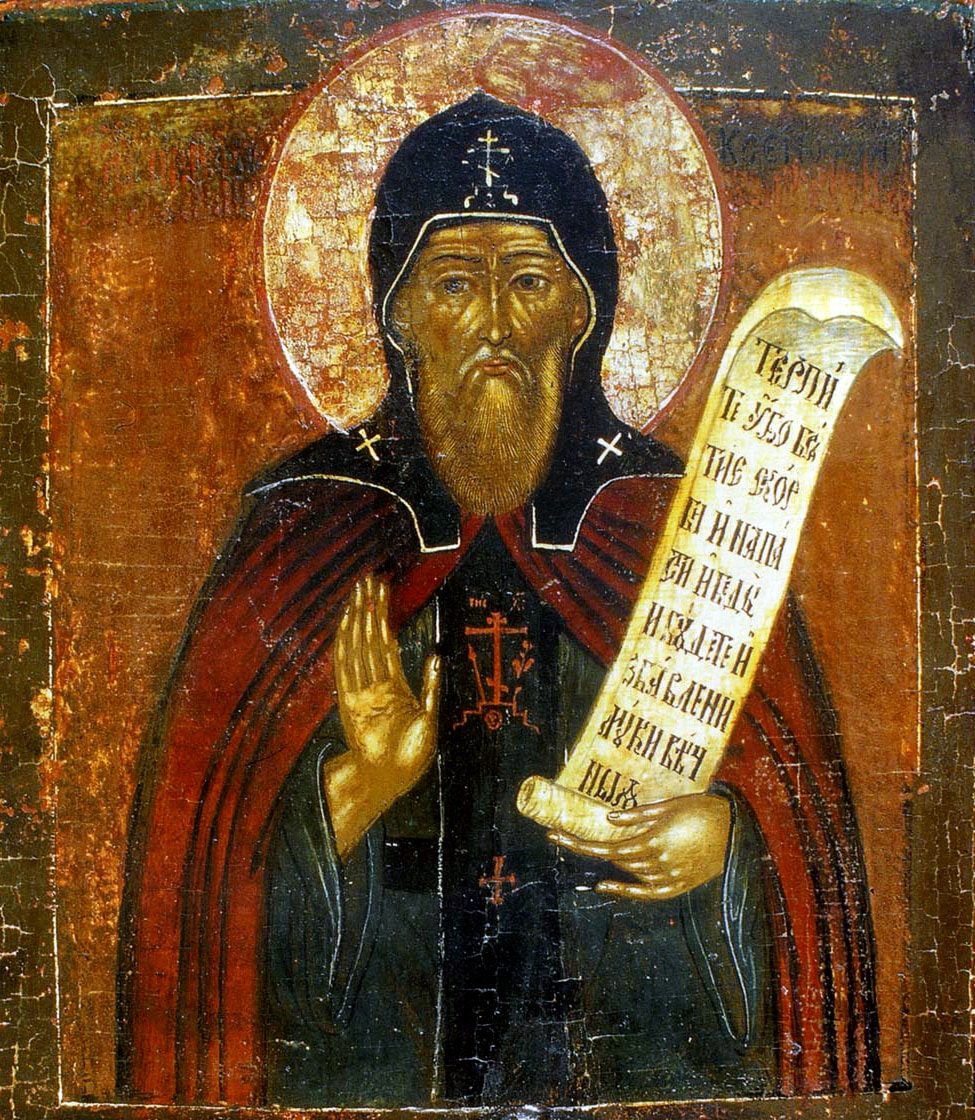
Ksenofont Robeysky
About Xenophon of Robika
Xenophon of Robeika
Xenophon of Robeika (Russian: Ксенофонт Робейский, romanized: Ksenofont Robeysky) was a Russian Orthodox monk active in the late 14th and early 15th centuries. He is venerated as a saint, recognized for his ascetic life and founding of a significant monastery. Historical accounts of his life are fragmented, with much of the original hagiographical material lost, leading to later confusions and an 18th-century vita that attempts to mimic older styles.
Life and Ministry
Xenophon initially took his monastic vows at the Lisitsky Monastery under Abbot Barlaam. He later ascended to the position of hegumen (abbot) at the Khutyn Monastery. Seeking a more ascetic existence, Xenophon eventually resigned from his abbatial duties and moved to the Robeika River. It was there, in a place he chose for its solitary nature, that he founded the St. Nicholas Monastery. His relics were subsequently placed within the monastery's church, which later transitioned into a parish church.
Historical Context and Research
Information regarding Xenophon's life is often difficult to ascertain due to the loss of his primary biography. When his "vita" was reconstructed in the 18th century, hagiographers sometimes confused him with other figures, such as Barlaam of Khutyn being conflated with Barlaam of Kiev. Similarly, his associate Anthony of Dymsk was confused with Anthony of Rome. The earliest surviving comprehensive research on Xenophon and his monastery was conducted by P. M. Silin in 1902. More recently, A. G. Bobrov published the only known surviving copy of the "Life of Xenophon of Robeika" in 1997, offering a more critical dating of the monastery's founding based on the text of the vita itself, rather than earlier assumptions of a 13th-century origin.
Veneration
Xenophon of Robeika is commemorated liturgically on June 28, the traditional date of his death. He is also honored on January 26, the feast day of his patron saint, Xenophon of Constantinople, and on the Synaxis of the Novgorod Saints, celebrated on the third Sunday after Pentecost. His relics are housed in the church of the St. Nicholas Monastery he founded on the Robeika River, which remains a focal point of his veneration.
Source: Wikipedia ↗
Frequently Asked Questions
When did Xenophon of Robeika live?
Xenophon of Robeika lived in the late 14th to early 15th centuries. Precise dates for his birth and death are not recorded in surviving historical accounts.
What is Xenophon of Robeika known for?
He is known as a Russian Orthodox monk who served as abbot of the Khutyn Monastery and later founded the St. Nicholas Monastery on the Robeika River. His relics are venerated at this monastery.
Where is the St. Nicholas Monastery founded by Xenophon located?
The St. Nicholas Monastery founded by Xenophon is located on the Robeika River, close to the city of Novgorod in Russia.
What are the feast days associated with Xenophon of Robeika?
Xenophon of Robeika's primary feast day is the day of his death, June 28. He is also commemorated on January 26, the feast day of his patron, Xenophon of Constantinople, and on the third Sunday after Pentecost as part of the Synaxis of the Novgorod Saints.
Why is it difficult to find detailed information about Xenophon of Robeika's life?
Much of the historical detail about Xenophon's life was lost when his original vita (biography) was lost. Later accounts, rewritten in the 18th century, contain confusions and were written to imitate ancient styles, making historical accuracy challenging.
Related Saints

Cyril of Beloozero
Cyril of Beloozero was a Russian monk and disciple of Sergius of Radonezh, venerated as a saint by the Russian Orthodox Church. He is chiefly remembered for founding the Kirillo-Belozersky Monastery in 1397, which became a significant spiritual center in northern Russia. Cyril established a strict monastic order that attracted many followers.
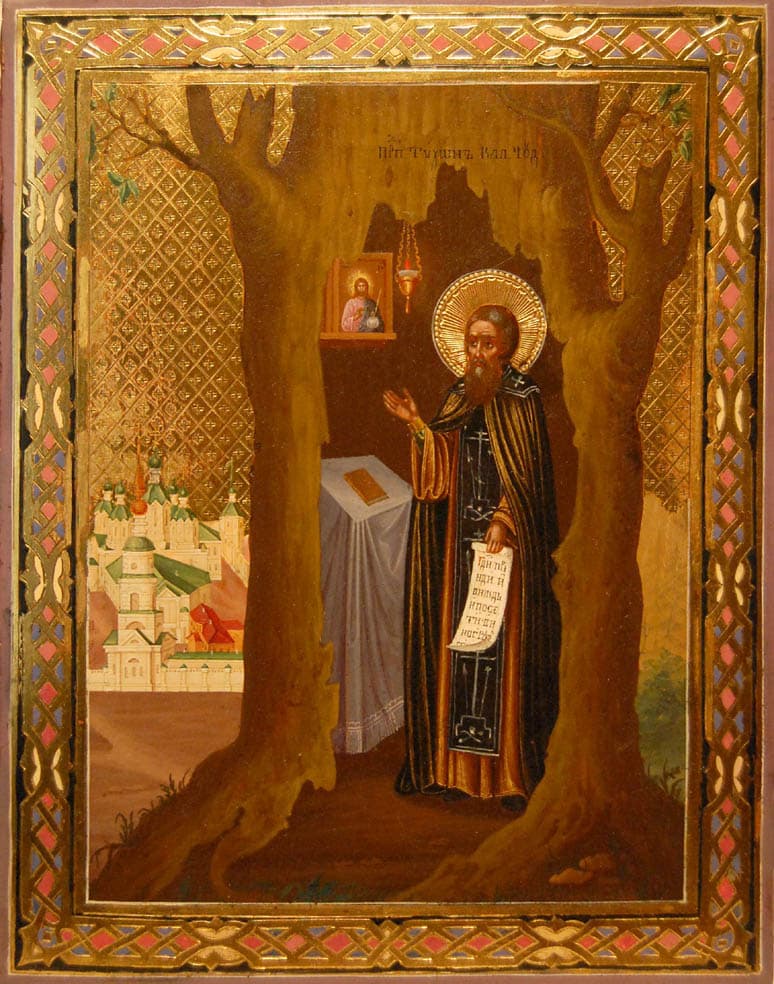
Tikhon of Kaluga
Tikhon of Kaluga was a Russian Orthodox hegumen and saint who lived in the 15th century. He is remembered for founding a monastery dedicated to the Dormition of the Mother of God, which later became dedicated to him. His feast day is celebrated on June 16th in the Eastern Orthodox Church.
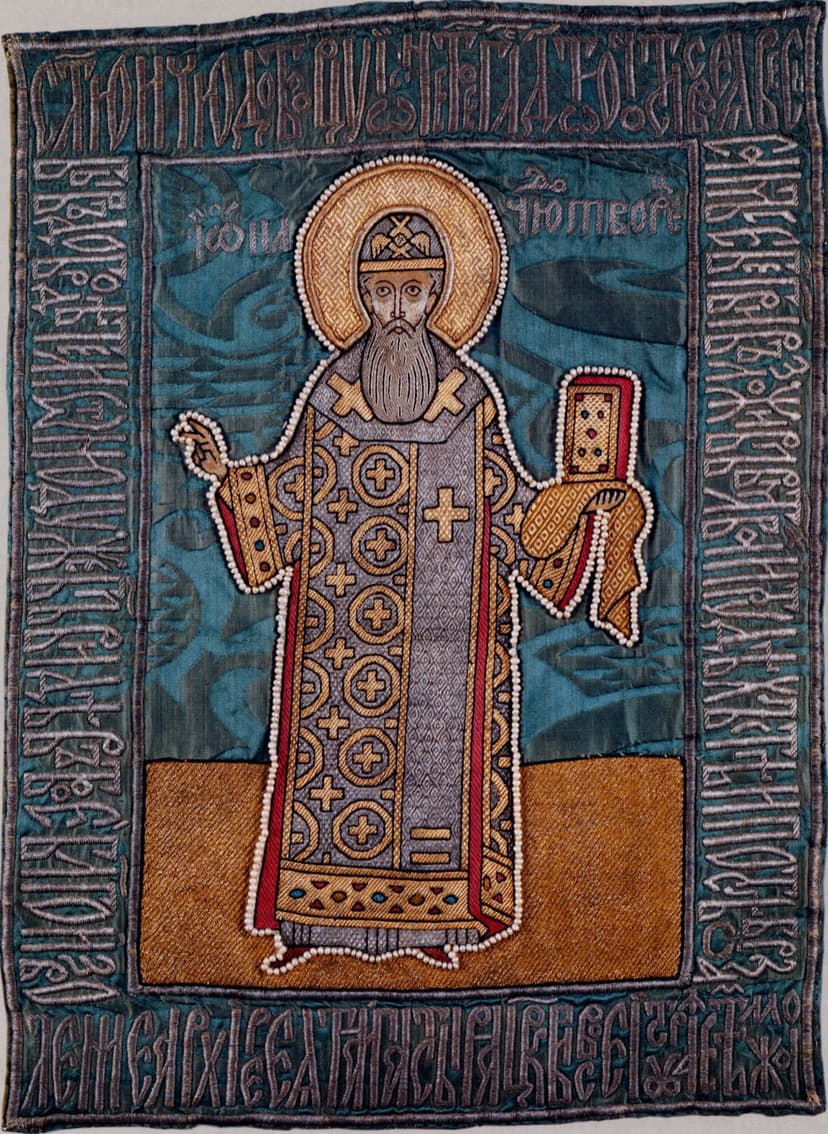
Jonah of Moscow
Jonah of Moscow served as the Metropolitan of Kiev and all Rus' and primate of the Russian Orthodox Church from 1448 to 1461. He is chiefly remembered for being the first metropolitan appointed without the approval of the Patriarch of Constantinople, a pivotal moment marking the beginning of the Russian Orthodox Church's autocephaly. Venerated as a saint, his tenure solidified the church's independence and its center in Moscow.