
Jonah of Moscow
June 15·15th century·Russia
Jonah of Moscow served as the Metropolitan of Kiev and all Rus' and primate of the Russian Orthodox Church from 1448 to 1461. He is chiefly remembered for being the first metropolitan appointed without the approval of the Patriarch of Constantinople, a pivotal moment marking the beginning of the Russian Orthodox Church's autocephaly. Venerated as a saint, his tenure solidified the church's independence and its center in Moscow.
Key Facts
- ›Jonah was Metropolitan of Kiev and all Rus' from 1448 until his death in 1461.
- ›He was appointed by a council of Russian bishops, bypassing the Patriarch of Constantinople.
- ›This appointment marked the beginning of the autocephaly of the Russian Orthodox Church.
- ›He was previously a bishop of Ryazan and Murom.
- ›Jonah died on March 31, 1461, and was buried in the Dormition Cathedral in the Moscow Kremlin.
- ›He was canonized by Macarius at the Moscow Council of 1547.
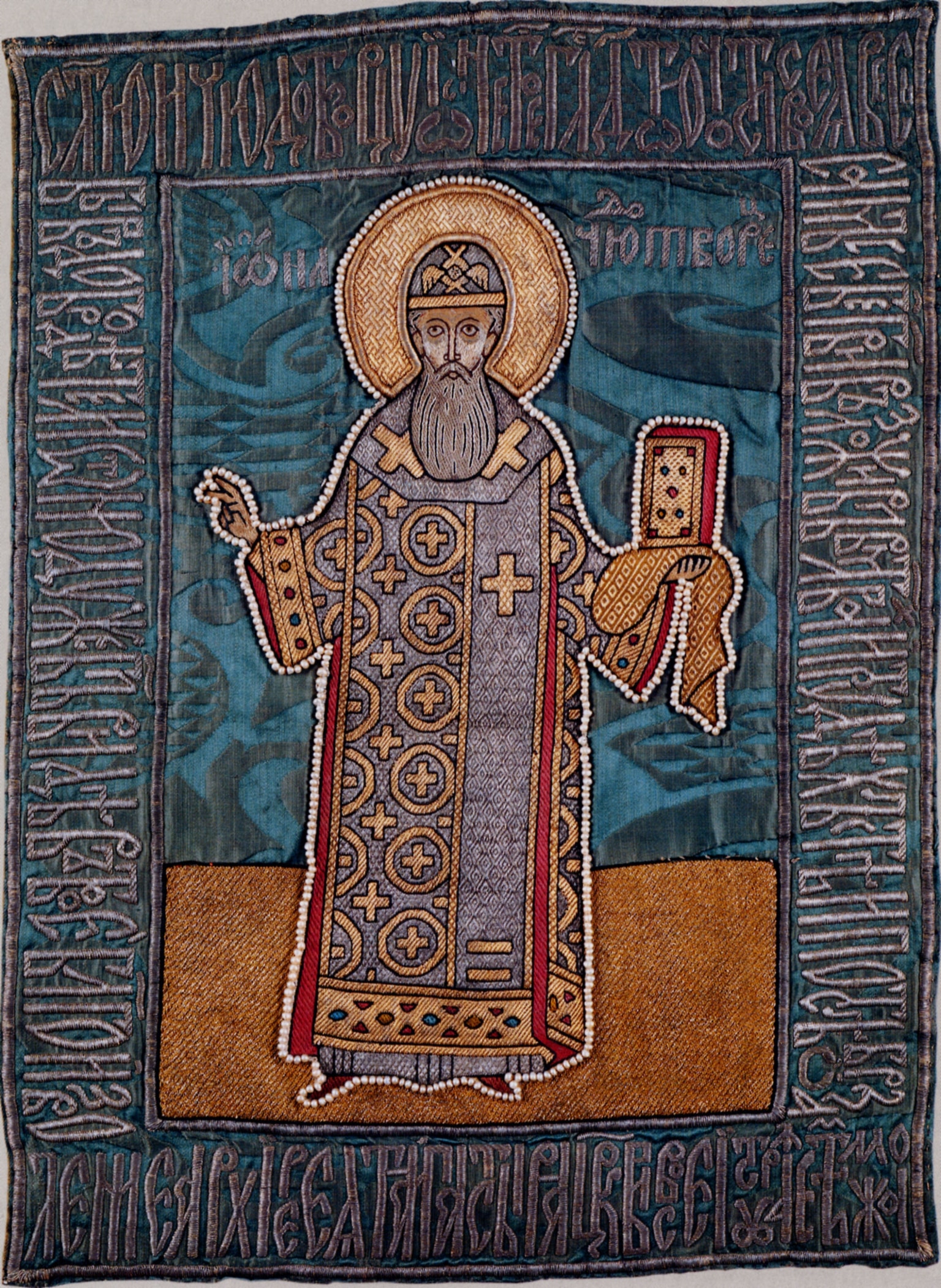
Iona
About Jonah of Moscow
Jonah of Moscow (died 31 March 1461) was a pivotal figure in the history of the Russian Orthodox Church, serving as its primate and Metropolitan of Kiev and all Rus' from 1448 until his death. His tenure is most notably defined by his appointment as metropolitan by a council of Russian bishops without the prior approval of the Patriarch of Constantinople. This act, occurring in the context of the condemnation of Metropolitan Isidore for supporting the Union of Florence, is widely regarded as the genesis of the autocephaly, or self-governance, of the Russian Orthodox Church.
Life and Ministry
Prior to his elevation, Jonah resided at the Simonov Monastery and served as a bishop of Ryazan and Murom. Though Grand Prince Vasily II of Moscow had nominated him for the metropolitanate after Metropolitan Photius's death in 1431, the Patriarch Joseph II of Constantinople initially chose Isidore. Jonah's eventual arrival in Constantinople in 1436 coincided with Isidore's appointment. Upon Isidore's return to Moscow and subsequent condemnation of the Council of Florence by Russian bishops, the metropolitan throne remained vacant for seven years.
In 1448, Vasily II convened a council that elected Jonah as metropolitan. While not universally supported by all Russian clergy at the time, this decision was later validated in the Russian perspective, particularly after the fall of Constantinople in 1453, which was seen as a divine sign. Jonah's efforts as metropolitan included attempting to reclaim territories lost to the Uniate church and maintaining the integrity of Orthodoxy amidst increasing Catholic influence, though he eventually had to accept the co-existence of two Russian Orthodox hierarchies.
Veneration and Legacy
Jonah died on March 31, 1461, and was interred in the Dormition Cathedral within the Moscow Kremlin. He was canonized in 1547 by Macarius at a Moscow Council. The Russian Orthodox Church commemorates him on several feast days, including March 31 (date of repose), May 27 (uncovering and translation of relics), June 15 (primary feast), and October 5 (Synaxis of the Hierarchs of Moscow). His legacy is deeply intertwined with the establishment of an independent Russian Orthodox Church, solidifying Moscow's spiritual authority and influence.
Source: Wikipedia ↗
Frequently Asked Questions
When did Jonah serve as Metropolitan of Kiev and all Rus'?
Jonah served as Metropolitan of Kiev and all Rus' from 1448 until his death on March 31, 1461. He was the primate of the Russian Orthodox Church during this period.
Why is Jonah of Moscow considered significant in Russian Church history?
Jonah is significant because his appointment in 1448 as metropolitan by a council of Russian bishops, without the approval of the Patriarch of Constantinople, marked the beginning of the autocephaly of the Russian Orthodox Church. This event established the church's independence from Byzantine authority.
How did Jonah become metropolitan?
After Isidore, who supported the Union of Florence, was condemned, Jonah was appointed metropolitan by a council of Russian bishops at the behest of Vasily II of Moscow. This was a departure from the traditional norm of appointing metropolitans with the approval of the Ecumenical Patriarch of Constantinople.
What was Jonah's role before becoming metropolitan?
Before becoming metropolitan, Jonah lived in the Simonov Monastery and was close to Metropolitan Photius. Photius made him a bishop of Ryazan and Murom, a position he held before being nominated for the metropolitanate.
When and where was Jonah of Moscow canonized?
Jonah of Moscow was canonized by Macarius at the Moscow Council in 1547. He is recognized as a saint in the Russian Orthodox Church.
Related Saints
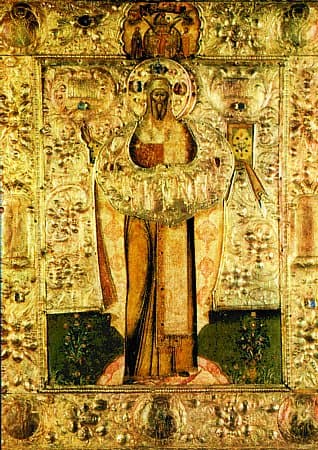
Euthymius II of Novgorod
Euthymius II of Novgorod served as the Archbishop of Novgorod from 1429 to 1458. He is distinguished as one of the most significant patrons of arts and architecture among all Novgorodian archbishops. His extensive building projects and promotion of local saints and legends left a lasting cultural legacy.

Cyril of Beloozero
Cyril of Beloozero was a Russian monk and disciple of Sergius of Radonezh, venerated as a saint by the Russian Orthodox Church. He is chiefly remembered for founding the Kirillo-Belozersky Monastery in 1397, which became a significant spiritual center in northern Russia. Cyril established a strict monastic order that attracted many followers.
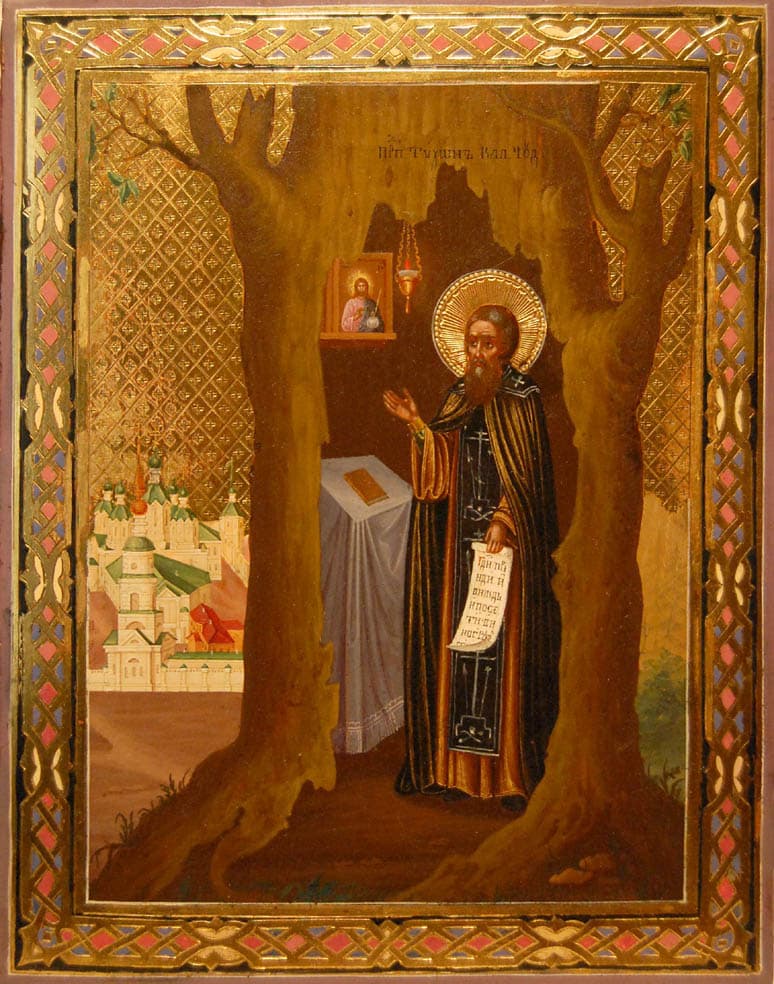
Tikhon of Kaluga
Tikhon of Kaluga was a Russian Orthodox hegumen and saint who lived in the 15th century. He is remembered for founding a monastery dedicated to the Dormition of the Mother of God, which later became dedicated to him. His feast day is celebrated on June 16th in the Eastern Orthodox Church.