
Rastislav of Moravia
9th century·Moravia
Rastislav was the second known ruler of Moravia, reigning from 846 to 870. He is chiefly remembered for consolidating his rule to repel Frankish attacks and for initiating the mission of Saints Cyril and Methodius, who translated Christian liturgical books into Slavonic. Rastislav was eventually dethroned by his nephew and died in captivity.
Key Facts
- ›Rastislav was the nephew of Mojmir I, the first known ruler of Moravia.
- ›He became duke of Moravia in 846, installed by Louis the German after the latter invaded the region.
- ›By 855, Rastislav was able to repel Frankish attacks, demonstrating his consolidation of power.
- ›In 863, he invited Saints Cyril and Methodius to Moravia to translate liturgical texts into Slavonic.
- ›Rastislav was betrayed by his nephew, Svatopluk I, and handed over to the Franks.
- ›He died in prison after being blinded and imprisoned by Louis the German.
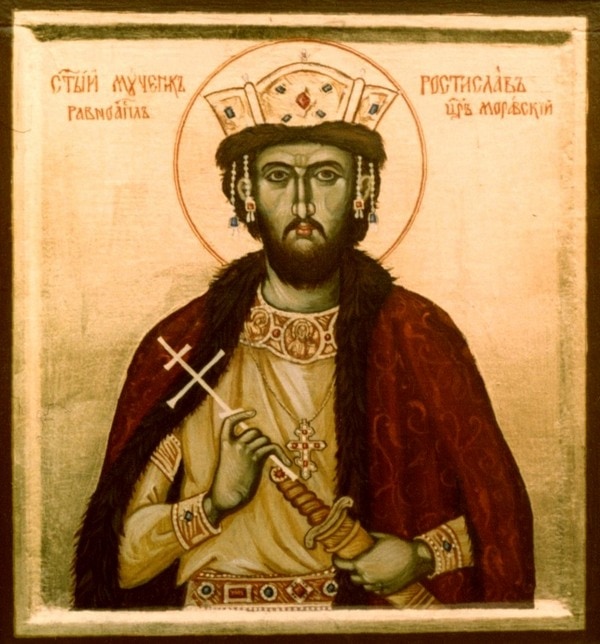
Rostislav, Rastiz, Saint Rastislav
Slavonic Language
About Rastislav of Moravia
Rastislav, also known as Rostislav or Rastiz in Latin sources, was the second known ruler of the Principality of Moravia, reigning from 846 to 870. His reign was characterized by a determined effort to consolidate Moravian power and assert independence from the influence of East Francia.
Life and Historical Context
Rastislav was the nephew of Mojmir I, the founder of the first known Moravian dynasty. Upon Mojmir I's deposition by Louis the German in 846, Rastislav was installed as the new duke. While initially a vassal to Louis the German, Rastislav gradually strengthened his position. By 855, he was able to successfully repel a series of Frankish invasions, demonstrating significant military and political acumen.
Mission of Saints Cyril and Methodius
A pivotal moment in Rastislav's reign was his request for "teachers" who could explain the Christian faith in the Slavic language. This led to the arrival of the Byzantine brothers, Saints Cyril and Methodius, in 863. Under Rastislav's patronage, they translated key Christian liturgical texts into Old Slavonic and created a script for the language, laying the groundwork for Slavonic literacy and a distinct Slavic Christian tradition. This initiative challenged the dominance of Frankish clergy in the region.
Downfall and Legacy
Rastislav's efforts towards independence and his promotion of Slavonic liturgy ultimately led to conflict. Despite his military successes against the Franks, he was eventually betrayed by his nephew, Svatopluk I. Svatopluk conspired with Carloman, son of Louis the German, and handed Rastislav over to the Franks. Rastislav was subsequently blinded and imprisoned, dying in captivity. He was canonized by the Eastern Orthodox Church in 1994, recognized for his role in fostering Slavic Christianity and culture.
Source: Wikipedia ↗
Frequently Asked Questions
Who was Rastislav of Moravia?
Rastislav was the second known ruler of Moravia, reigning from 846 to 870. He was instrumental in asserting Moravian independence from Frankish influence and fostering Slavic culture and Christianity.
Why is Rastislav significant in history?
Rastislav is significant for his role in commissioning the translation of Christian liturgical books into Slavonic by Saints Cyril and Methodius. This act was foundational for Slavonic literacy and the development of distinct Slavic Christian traditions.
What was Rastislav's relationship with the Franks?
Initially a vassal to Louis the German of East Francia, Rastislav consolidated his rule and actively repelled Frankish attacks from 855 onwards. His defiance led to repeated Frankish campaigns against him.
How did Rastislav's reign end?
Rastislav was betrayed by his nephew, Svatopluk I, who entered into an alliance with the Franks. Svatopluk captured Rastislav and handed him over to Louis the German, leading to Rastislav's imprisonment and eventual death.
When was Rastislav canonized?
Rastislav was canonized in 1994 by the Czech and Slovak Orthodox Church in Prešov.
Related Saints
Eusebius of Rome
Eusebius of Rome was a Roman patrician and priest, venerated as a saint and confessor. He is primarily remembered for his ardent defense of the Nicene Creed against Arianism during the reign of Emperor Constantius II, which led to his imprisonment and eventual death. The church of Sant'Eusebio in Rome is dedicated to him and is said to have been built on the site of his house.
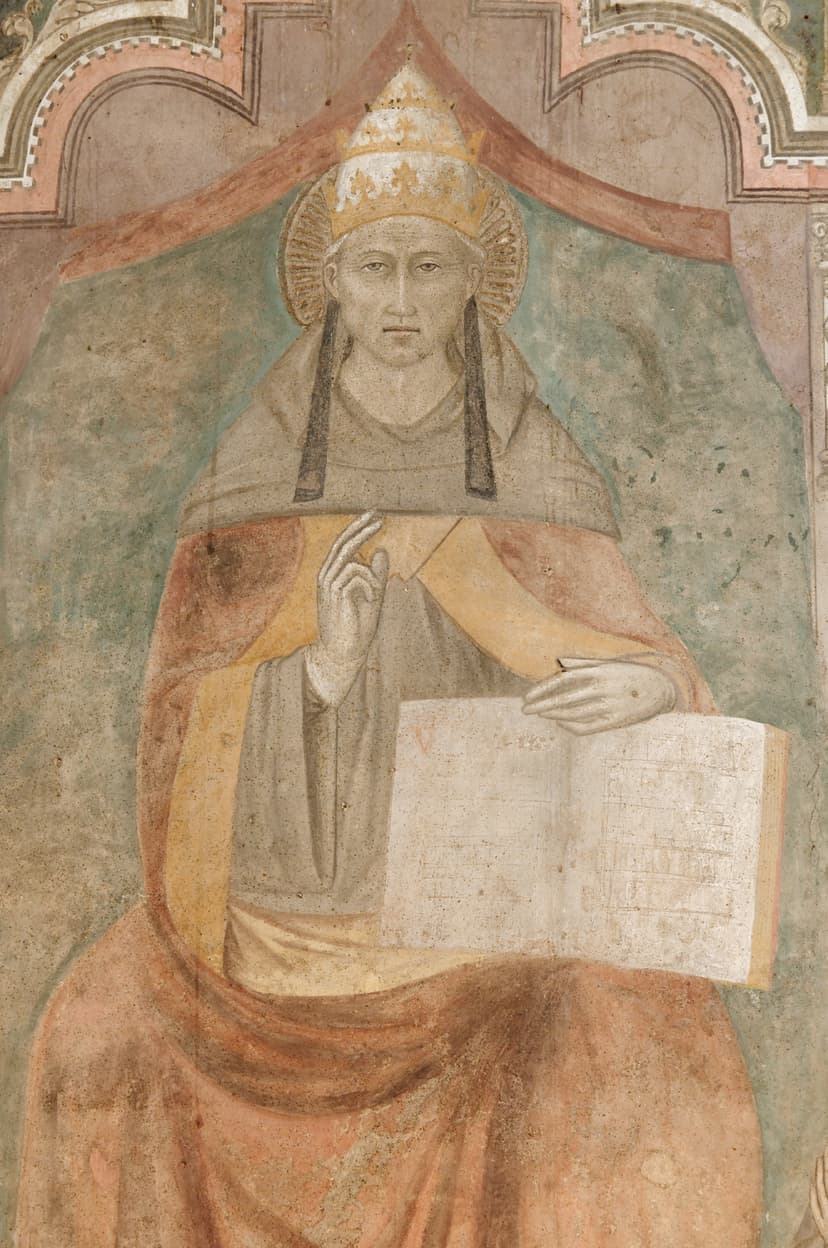
Pope Celestine V
Pope Celestine V, born Pietro Angelerio, was a monk and hermit who served as head of the Catholic Church for five months in 1294. He is primarily remembered for his abdication, which he formalized, and for founding the order of the Celestines. His brief papacy ended a two-year impasse in papal elections, and his decision to resign allowed him to return to his ascetic life.

Stephen the Great
Stephen the Great, also known as Ștefan cel Mare, was the Voivode of Moldavia from 1457 to 1504. He is remembered for his exceptionally long reign, his skilled military leadership in defending Moldavia against powerful neighbors like the Ottoman Empire, and his role as a protector of Christianity. His efforts in nation-building and his role as a national hero in Romania and Moldova are central to his legacy.