
Pelagius of Córdoba
June 26·10th century·Spain
Pelagius of Córdoba was a Christian boy martyred in Córdoba around 926 AD. He is remembered for his unwavering faith and refusal to convert to Islam or submit to the Caliph's advances, leading to his torture and death. His cult is believed to have provided spiritual energy for the Reconquista.
Key Facts
- ›Pelagius died as a martyr in Córdoba, Spain, around 926 AD.
- ›He was held as a hostage by Caliph Abd-ar-Rahman III for three years.
- ›At 13, he refused the Caliph's offer of freedom in exchange for converting to Islam.
- ›He also refused the Caliph's romantic advances, striking and insulting him.
- ›Accounts describe his death involving torture, dismemberment, and decapitation.
- ›His commemoration is celebrated on June 26.
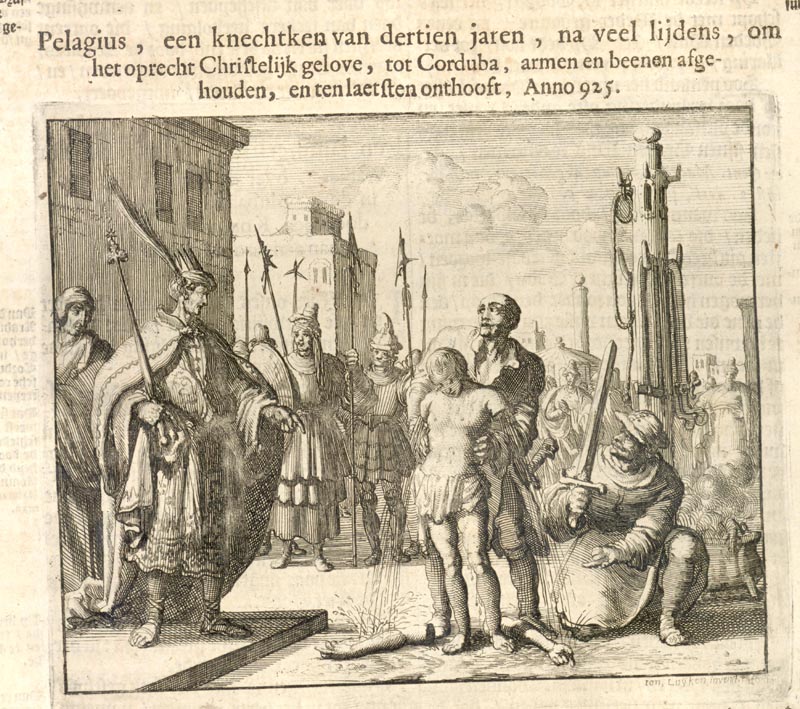
San Pelayo Mártir
About Pelagius of Córdoba
Pelagius of Córdoba (c. 912–926), also known in Spanish as San Pelayo Mártir, was a Christian boy whose martyrdom in Córdoba around 926 AD made him a significant figure in the history of Christian resistance in Muslim Spain.
Narrative and Martyrdom
Historical accounts, including the earliest "The Martyrdom/Passion of St Pelagius" by Raguel, a priest of Córdoba, detail Pelagius's life and death. At the age of ten, he was given as a hostage to Caliph Abd-ar-Rahman III of al-Andalus, intended for an exchange that never occurred. He remained captive for three years. By the age of thirteen, Pelagius demonstrated remarkable courage and faith, impressing the Caliph. When offered freedom in exchange for converting to Islam, he steadfastly refused. Accounts further describe how Pelagius rejected the Caliph's advances, striking the monarch and insulting him, which led to his brutal torture and dismemberment, followed by decapitation.
Significance and Veneration
Pelagius was later enshrined as a Christian martyr and canonized as "Saint Pelagius." His feast day is celebrated on June 26. The cult of Saint Pelagius is believed to have provided spiritual impetus for the Reconquista, the centuries-long Christian reconquest of Spain. Some modern scholars interpret his story as a pattern of portraying Islamic morality as inferior to other moral codes, serving to bolster Christian identity during a period of increasing cultural pressure and conversion to Islam within al-Andalus.
Interpretation in Hagiography
Scholars like Jeffrey A. Bowman and Lisa Weston have analyzed the hagiographic narratives surrounding Pelagius. Bowman notes that "The Martyrdom of St. Pelagius" critiques Muslim morals and depicts a hero resisting assimilation into the dominant culture. Weston's analysis of Hrotsvitha of Gandersheim's verse account highlights the narrative's function in negotiating desires and establishing boundaries between the saint's Christian community and their persecutors. Pelagius's spurning of the Caliph's advances is presented as a defense of Christian chastity and purity against "barbaric embrace" and the "kiss of such a lewd slave of demons."
Source: Wikipedia ↗
Frequently Asked Questions
Who was Pelagius of Córdoba?
Pelagius of Córdoba was a Christian boy who died as a martyr in Córdoba, Spain, around 926 AD. He is venerated for his steadfast faith and refusal to abandon Christianity.
What happened to Pelagius in Córdoba?
At the age of ten, Pelagius was given as a hostage to Caliph Abd-ar-Rahman III. Despite facing immense pressure and torture, he refused to convert to Islam or submit to the Caliph's desires, leading to his martyrdom.
Why is Pelagius remembered as a martyr?
Pelagius is remembered as a martyr because he died for his Christian faith. His refusal to renounce his beliefs, even under severe duress and torture, solidified his status as a saint and martyr.
When is the feast day of Saint Pelagius?
The commemoration of Saint Pelagius is celebrated on June 26 annually.
Related Saints
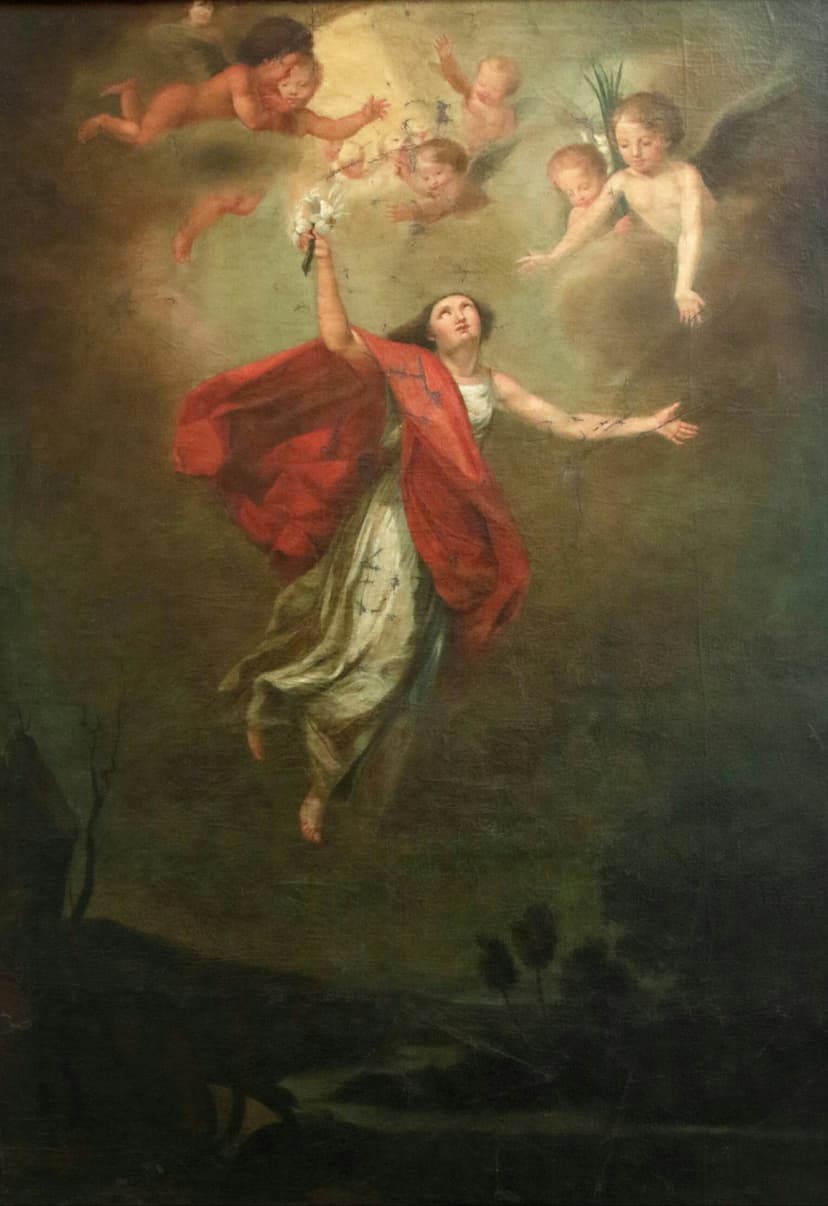
Philomena
Philomena was a Greek virgin martyr whose relics were discovered in the Catacombs of Priscilla in 1802. She is venerated as "The Wonderworker" and is the patron saint of babies, infants, and youth, with widespread devotion stemming from numerous miracles attributed to her intercession.

Venantius of Camerino
Venantius of Camerino was a 15-year-old Christian martyr who died during the persecutions of Decius. He is remembered for his extreme suffering and martyrdom, and is the patron saint of Camerino and Raiano, Italy.
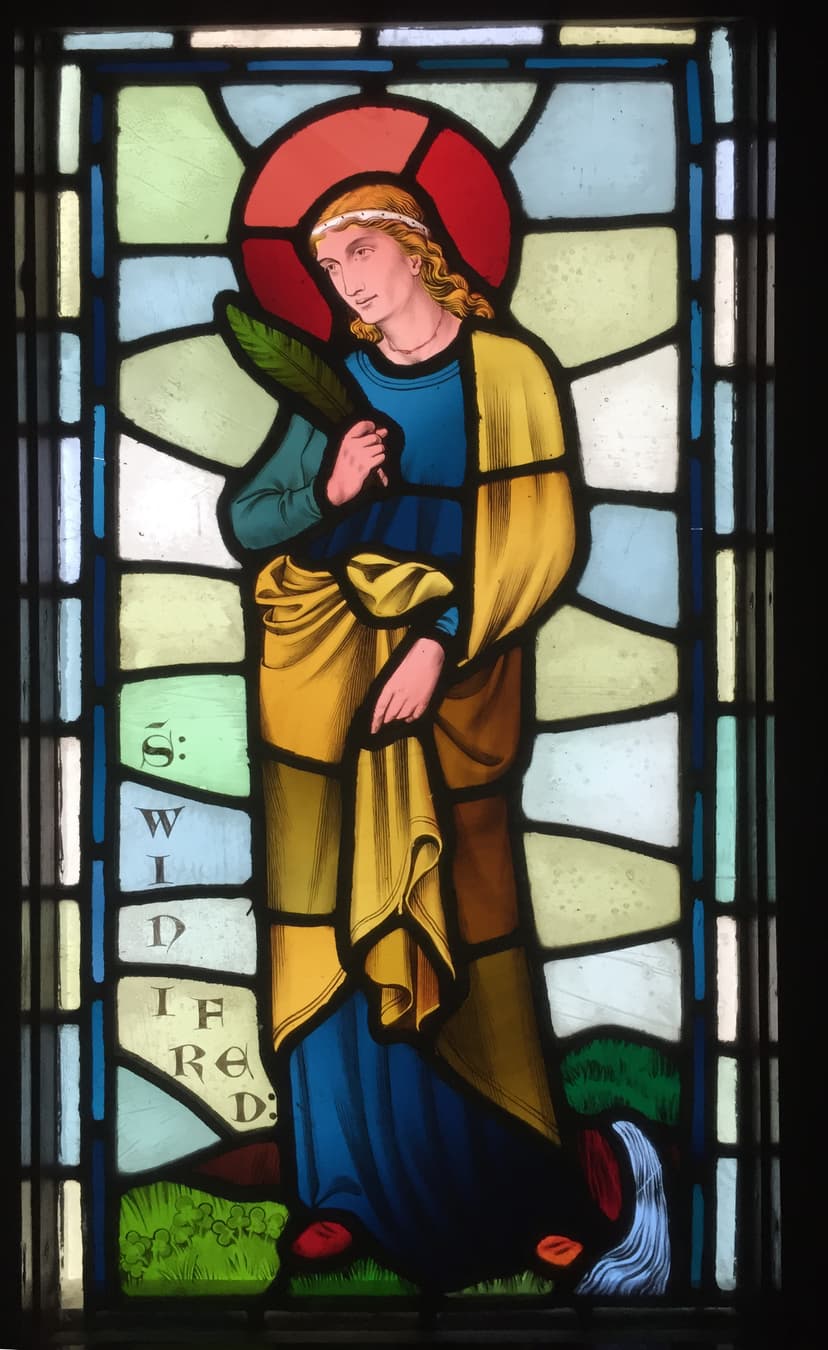
Winifred
Saint Winifred was a 7th-century Welsh virgin martyr, whose legend recounts her decapitation by a suitor and miraculous restoration to life by Saint Beuno, with a healing spring appearing at the site of her beheading. She is chiefly remembered for her legend of martyrdom and the enduring pilgrimage site of St. Winefride's Well in Holywell, Wales, which is considered "the Lourdes of Wales."