
Oswald of Northumbria
Oswald of Northumbria was a king who reigned from 634 until his death in 642, and is venerated as a saint. He is chiefly remembered for reuniting Northumbria, promoting Christianity, and being a powerful ruler who became the most influential king in Britain during his time. His death in battle against Penda of Mercia led to his veneration, with many miracles attributed to his relics.
Key Facts
- ›Oswald was king of Northumbria from 634 to 642.
- ›He reunited the kingdoms of Bernicia and Deira under a single ruler.
- ›Oswald promoted the spread of Christianity in Northumbria.
- ›He was killed in the Battle of Maserfield fighting against Penda of Mercia.
- ›Bede, writing less than a century later, regarded Oswald as a saintly king.
- ›His feast day is August 5th.
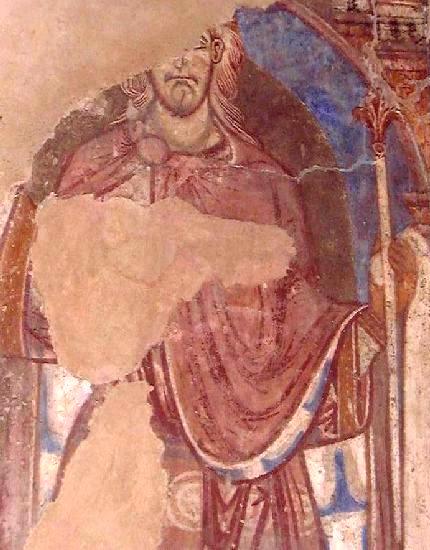
Osalt, Lamnguin (White Blade), Languines
Cross
About Oswald of Northumbria
Oswald of Northumbria (c. 604 – 5 August 641/642) was a king of Northumbria and is venerated as a saint. His reign, though relatively short, was marked by the reunification of the Northumbrian kingdoms of Bernicia and Deira, the promotion of Christianity, and the establishment of his dominance as the most powerful ruler in Britain at the time. Historical accounts, primarily from the historian Bede, portray Oswald as a saintly king, a figure of great piety and generosity.
Background and Rise to Power
Born around 604, Oswald was the son of Æthelfrith of Bernicia and Acha of Deira. After his father's death in battle around 616, Oswald and his brothers fled into exile in Dál Riata in northern Britain. It was during this period of exile that Oswald was converted to Christianity. He returned to Northumbria after the death of Edwin of Deira in 633, who had been killed by Cadwallon ap Cadfan of Gwynedd in alliance with Penda of Mercia. Oswald then led a small army, bolstered by allies, against Cadwallon.
Victory and Kingship
Before the decisive Battle of Heavenfield, tradition holds that Oswald erected a wooden cross and prayed. His victory over Cadwallon's forces, despite being outnumbered, was a pivotal moment. Following this triumph, Oswald reunited Northumbria and asserted Bernician supremacy. Bede states that Oswald held imperium for eight years and was recognized as the most powerful king in Britain, sometimes referred to as a Bretwalda. His authority extended over various peoples, though the precise extent of his overlordship remains debated.
Promotion of Christianity
Oswald was instrumental in spreading Christianity throughout Northumbria. He requested Irish missionaries from Dál Riata and gifted Lindisfarne to Bishop Aidan for his episcopal see. Oswald is noted for his piety, with Bede recounting a story of his extraordinary generosity to the poor on Easter, where he broke up and distributed his own meal and even a silver dish of dainties. Bede highlights Oswald's hand and arm remaining uncorrupted after his death, attributed to Aidan's blessing.
Downfall and Veneration
Oswald's reign ended in conflict with the pagan Mercians under Penda. He was killed at the Battle of Maserfield in 642. His death in battle led to his veneration as a saint, with miracles reported at the site of his death. His remains were eventually translated and distributed among various religious sites, including Bardney Abbey, Gloucester, and Durham Cathedral. The cult of St. Oswald spread widely, and numerous churches and place names across England and beyond commemorate him. He is remembered in the Church of England with a Lesser Festival on August 5th.
Source: Wikipedia ↗
Frequently Asked Questions
When did Oswald reign as King of Northumbria?
Oswald reigned as King of Northumbria from 634 until his death in 641 or 642.
Who were Oswald's parents and what was his early life like?
Oswald was the son of Æthelfrith of Bernicia and Acha of Deira. Following his father's death and the rise of Edwin, Oswald spent his youth in exile in the Scottish kingdom of Dál Riata, where he was converted to Christianity.
What was Oswald's most significant military achievement?
Oswald's most significant military achievement was his victory over Cadwallon ap Cadfan at the Battle of Heavenfield, which allowed him to reunite Northumbria and re-establish Bernician supremacy.
How did Oswald contribute to the spread of Christianity?
Shortly after becoming king, Oswald requested a bishop from the Irish of Dál Riata and gifted the island of Lindisfarne to bishop Aidan, who established his episcopal see there. Oswald also acted as an interpreter for Aidan when he preached.
What is the traditional date of Oswald's death and his feast day?
Oswald was killed in the Battle of Maserfield on August 5, 641 or 642. His feast day is celebrated on August 5th.
Where are Oswald's relics kept?
Oswald's head is believed to remain in Durham Cathedral, and one of his arms is said to be in Peterborough Abbey. Other claimed relics exist in continental Europe.
Related Saints
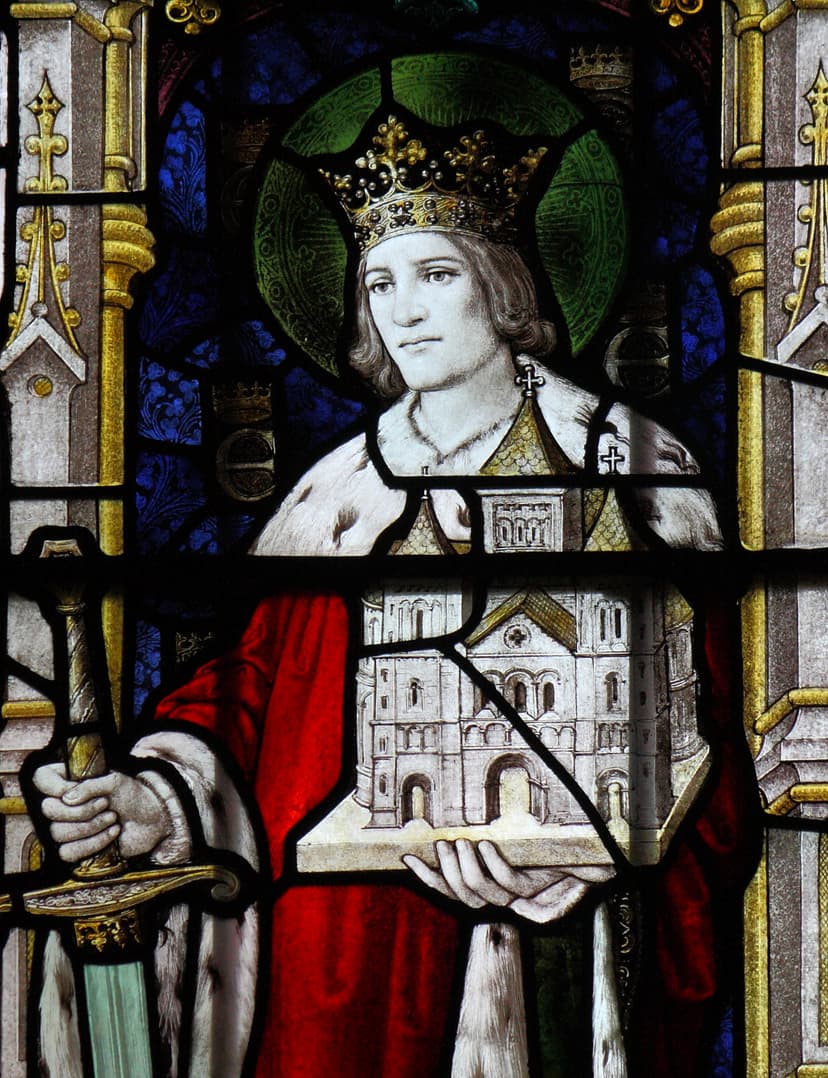
Edwin of Northumbria
Edwin of Northumbria was the King of Deira and Bernicia from around 616 until his death in 633, becoming the second monarch to rule both kingdoms and the first to convert to Christianity. He is primarily remembered for his conversion to Christianity and for establishing a period of peace and stability in his realm, though his kingdom and its conversion did not outlast him. After his death in battle, he was venerated as a saint.

Cuthbert
Cuthbert was a prominent saint of the early Northumbrian church, known for his ascetic life as a monk, bishop, and hermit. He is particularly remembered for his popularity as a medieval saint in Northern England, with a cult centered on his tomb at Durham Cathedral, and is regarded as the patron saint of Northumbria.
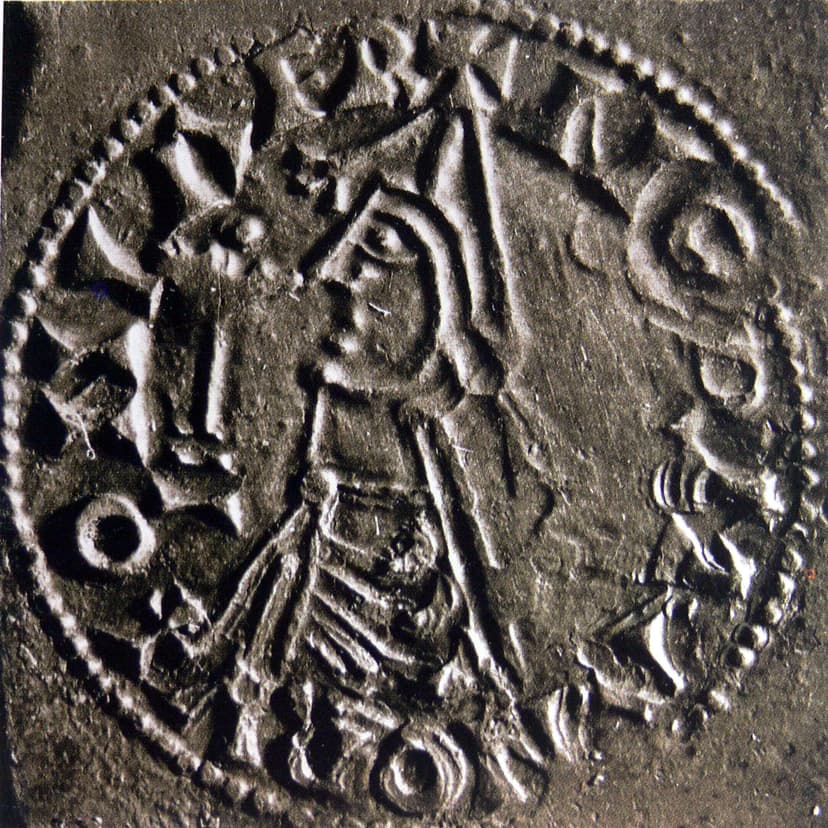
Olaf II of Norway
Olaf II of Norway, also known as Saint Olaf, was King of Norway from 1015 to 1028. He is posthumously remembered as "Eternal King of Norway" and is a central figure in the Christianization of Scandinavia. His sainthood was recognized by the Catholic Church, and he remains a significant symbol of Norwegian independence and pride.