
Edwin of Northumbria
Edwin of Northumbria was the King of Deira and Bernicia from around 616 until his death in 633, becoming the second monarch to rule both kingdoms and the first to convert to Christianity. He is primarily remembered for his conversion to Christianity and for establishing a period of peace and stability in his realm, though his kingdom and its conversion did not outlast him. After his death in battle, he was venerated as a saint.
Key Facts
- ›Edwin was the King of Deira and Bernicia from approximately 616 until his death in 633.
- ›He was the first monarch to rule both Deira and Bernicia, which later became Northumbria.
- ›Edwin converted to Christianity in 627, influenced by his wife Æthelburh and the missionary Paulinus.
- ›He was defeated and killed at the Battle of Hatfield Chase by Cadwallon ap Cadfan and Penda of Mercia.
- ›Bede the Venerable described a period of great peace in Britain during Edwin's reign, where a woman with a child could travel safely across the island.
- ›After his death, Edwin came to be venerated as a saint, although his cult was later overshadowed by that of Oswald.
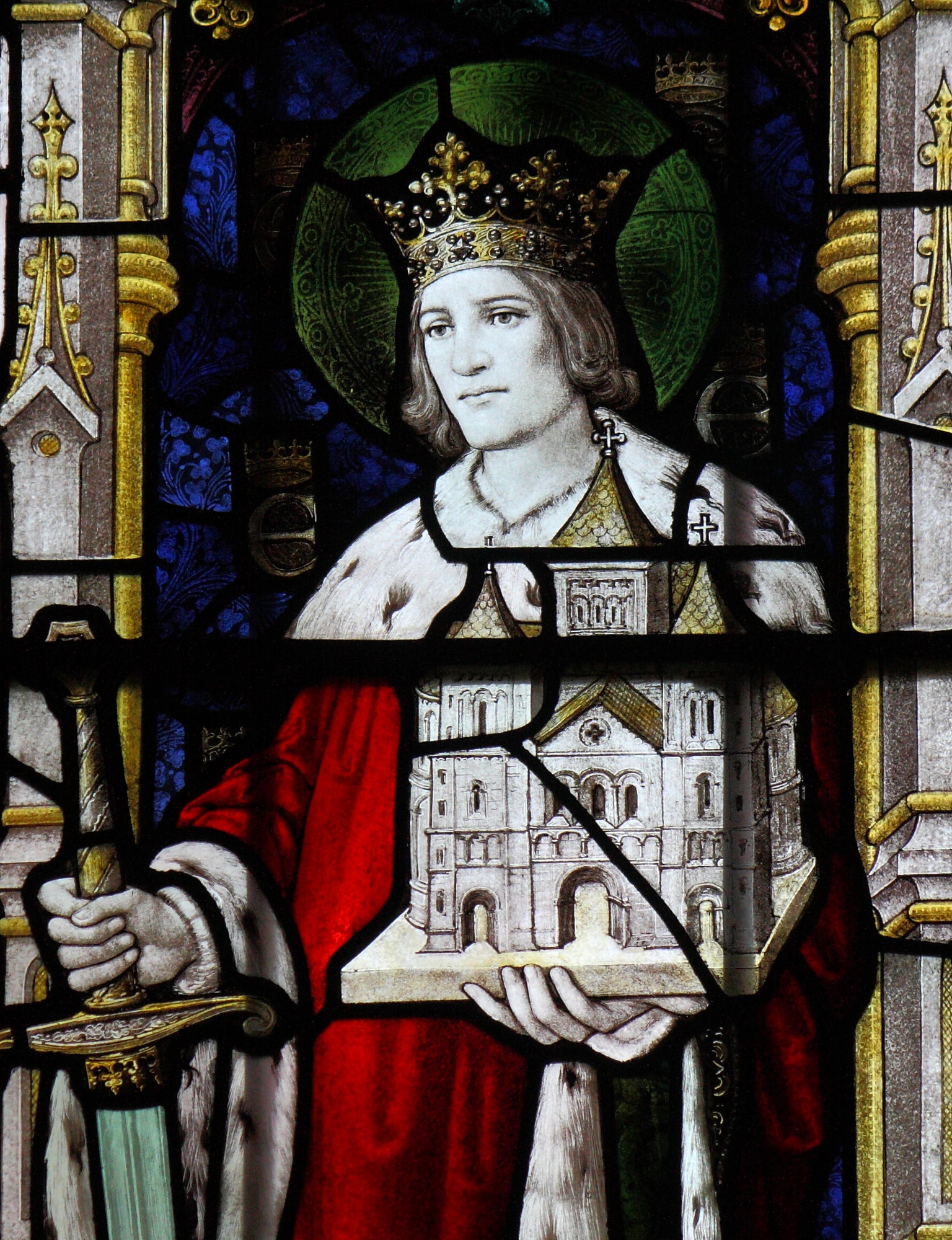
Eadwine, Æduinus, Bretwalda
Peace
Standard-Bearer With A Tufa
About Edwin of Northumbria
Edwin (Old English: Ēadwine; c. 586 – 12 October 632/633), also known as Eadwine or Æduinus, was a pivotal figure in early Anglo-Saxon England, reigning as the King of Deira and Bernicia—the kingdoms that would later form Northumbria—from around 616 until his death. He holds the distinction of being the second monarch to rule both of these northern English kingdoms and, significantly, the first among them to convert to Christianity. Following his demise in battle, Edwin was venerated as a saint, his legacy intertwined with the early Christianization of Britain.
Life and Historical Context
Born the son of Ælle, the first known king of Deira, Edwin's early life was marked by exile. After his father's death, his kingdom was conquered by Æthelfrith, king of neighboring Bernicia. Edwin sought refuge at the court of Rædwald of East Anglia, who ultimately defeated Æthelfrith in 616, paving the way for Edwin's ascension to the thrones of both Bernicia and Deira. By 624, with the death of his patron Rædwald, Edwin emerged as the most powerful ruler in Britain, recognized as a "bretwalda" or "ruler of Britain" by the Anglo-Saxon Chronicle.
Conversion to Christianity
Edwin's conversion to Christianity in 627 was a momentous event, heavily influenced by his wife, Æthelburh of Kent, and the Roman missionary Paulinus, who subsequently became the first Bishop of York. Bede the Venerable recounts Edwin's baptism and the subsequent embrace of the faith by his court. The narrative of his conversion often highlights the counsel of his advisors, including the pagan high priest Coifi, who famously destroyed idols and temples, and an unnamed nobleman whose speech eloquently compared human life to the fleeting flight of a sparrow.
Reign and Legacy
Edwin's reign, lasting seventeen years, is notable for its period of peace, described proverbially as a time when a woman with a newborn child could travel safely from sea to sea without harm. This peace, however, was not to last. Edwin was defeated and killed in 633 at the Battle of Hatfield Chase by the combined forces of Cadwallon ap Cadfan and Penda of Mercia. After his death, his realm was divided, and his conversion was renounced by his successors, leading to a period of renewed conflict. Despite the temporary nature of his united kingdom and its Christian adherence, Edwin's conversion and his reign of peace cemented his place in history and led to his veneration as a saint, though his cult was eventually surpassed by that of Saint Oswald.
Source: Wikipedia ↗
Frequently Asked Questions
Who was Edwin of Northumbria?
Edwin was the King of Deira and Bernicia, which together formed Northumbria, from around 616 until his death in 633. He was the first ruler of these united kingdoms and the first Anglo-Saxon king to convert to Christianity.
Why is Edwin of Northumbria considered a saint?
Edwin was venerated as a saint after his death in battle. His conversion to Christianity, influenced by missionaries and his wife, and the period of peace attributed to his reign contributed to his posthumous veneration.
What is Edwin's feast day?
Historical accounts and liturgical calendars do not consistently record a specific feast day for Edwin of Northumbria. His veneration was eventually overshadowed by that of Saint Oswald.
What was Edwin's role in the Christianization of Northumbria?
Edwin was baptized into Christianity in 627, influenced by the Roman missionary Paulinus and his wife Æthelburh. His conversion led to the official adoption of Christianity by the Northumbrian court, though it was later renounced by his successors.
How did Edwin die?
Edwin was defeated and killed in battle at Hatfield Chase in 633 by the combined forces of Cadwallon ap Cadfan and Penda of Mercia. His death led to the division of Northumbria and a temporary return to paganism.
Related Saints
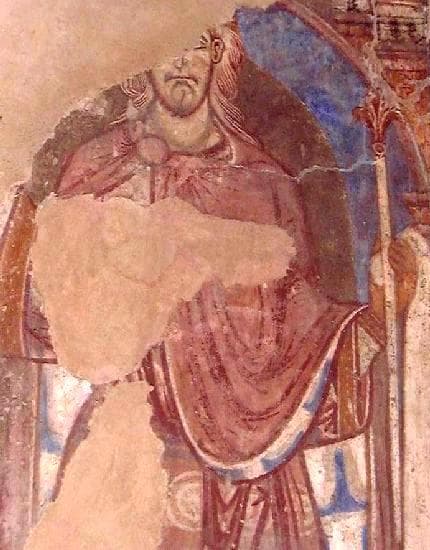
Oswald of Northumbria
Oswald of Northumbria was a king who reigned from 634 until his death in 642, and is venerated as a saint. He is chiefly remembered for reuniting Northumbria, promoting Christianity, and being a powerful ruler who became the most influential king in Britain during his time. His death in battle against Penda of Mercia led to his veneration, with many miracles attributed to his relics.

Cuthbert
Cuthbert was a prominent saint of the early Northumbrian church, known for his ascetic life as a monk, bishop, and hermit. He is particularly remembered for his popularity as a medieval saint in Northern England, with a cult centered on his tomb at Durham Cathedral, and is regarded as the patron saint of Northumbria.
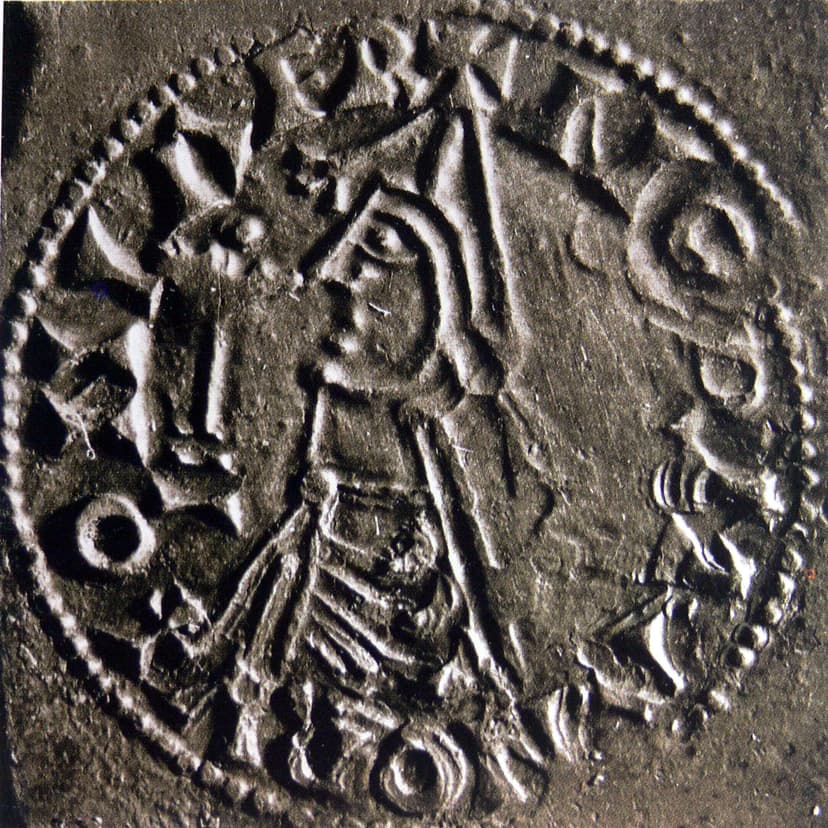
Olaf II of Norway
Olaf II of Norway, also known as Saint Olaf, was King of Norway from 1015 to 1028. He is posthumously remembered as "Eternal King of Norway" and is a central figure in the Christianization of Scandinavia. His sainthood was recognized by the Catholic Church, and he remains a significant symbol of Norwegian independence and pride.