
Michael of Chernigov
Michael of Chernigov was a Grand Prince of Kiev and various other principalities in medieval Rus'. He is remembered as a martyr who refused to submit to Mongol pagan rituals, choosing death over violating his Christian faith. His remains were later venerated, and he was canonized as a saint.
Key Facts
- ›Michael of Chernigov was Grand Prince of Kiev from 1236 to 1239 and again from 1241 to 1243.
- ›He participated in the Battle of Kalka against the Tatars in 1223.
- ›Archaeological evidence suggests he prioritized trade and negotiated commercial treaties with Poland and Hungary.
- ›During the Mongol invasion, he fled to Hungary before returning and applying for confirmation of his rule over Chernigov from the Mongol khan.
- ›He was executed by Batu Khan in 1246 for refusing to participate in pagan rituals, a death interpreted as martyrdom.
- ›His relics were eventually transferred to Moscow's Cathedral of the Archangel.
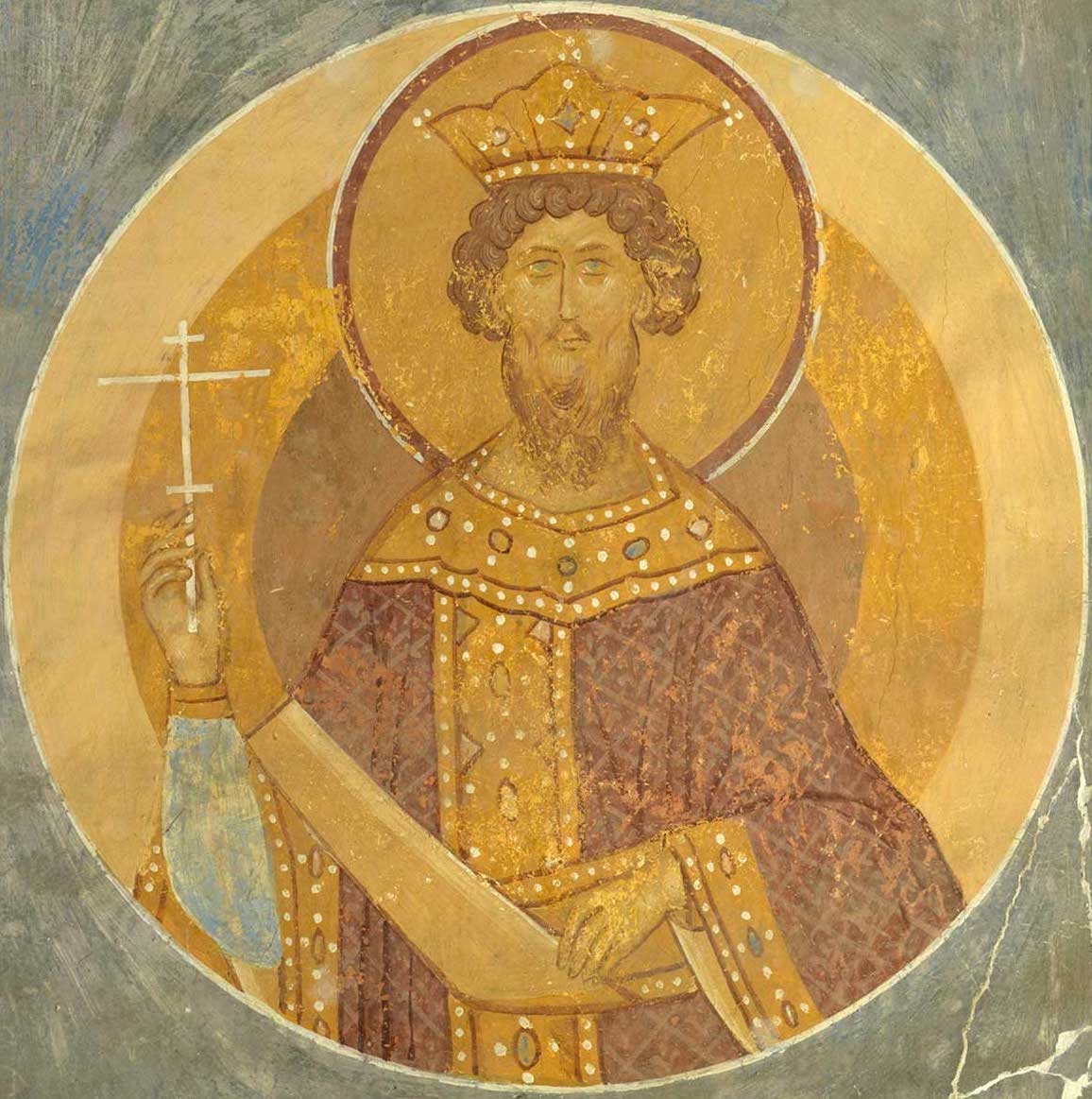
Mikhail Vsevolodovich, Michael
About Michael of Chernigov
Michael of Chernigov, born Mikhail Vsevolodovich around 1185, was a prominent prince in medieval Rus', serving as Grand Prince of Kiev from 1236 to 1239 and again from 1241 to 1243. His rule also encompassed other significant principalities, including Pereyaslavl, Novgorod-Seversk, Chernigov, Novgorod, and Galicia. He is primarily venerated as a martyr in the Christian Church for his refusal to compromise his faith under Mongol rule.
Life and Historical Context
Michael was a member of the Olgovichi clan and participated in the Battle of Kalka in 1223 against the Tatars. His reign was marked by efforts to maintain political influence and economic prosperity. Archaeological evidence suggests that Chernigov experienced significant growth during his rule, indicating a focus on promoting trade, which motivated his efforts to control key commercial routes like Halych and Kiev. He also engaged in diplomatic relations, negotiating commercial treaties and political alliances with Poland and Hungary.
During the Mongol invasion of Kievan Rus' (1237–1242), Michael was forced to flee to Hungary. Upon his return, he briefly controlled Kiev and sought confirmation of his authority over Chernigov from the Mongol khan. His life concluded tragically in 1246 when he was executed by Batu Khan. Accounts suggest his refusal to participate in pagan rituals or bow to the image of Genghis Khan led to his death. He is said to have died bravely, comforting his loyal boyar Theodore, who was executed alongside him.
Hagiography and Legacy
A hagiography, or vita, of Michael of Chernigov was written after his death, emphasizing his execution as martyrdom. While the exact date of this account is uncertain, it frames his death as a sacrifice for the Christian faith. Later hagiographies, such as one by Demetrius Tuptalo, further elaborated on his martyrdom, portraying him as a missionary who willingly gave his life. His remains were initially interred in Chernigov's Transfiguration Cathedral and later transferred to the Cathedral of the Archangel in Moscow, where they remain a focus of veneration. His story serves as a testament to Christian steadfastness in the face of persecution and political upheaval.
Source: Wikipedia ↗
Frequently Asked Questions
Why was Michael of Chernigov executed by the Mongols?
Michael of Chernigov was executed by Batu Khan in 1246, reportedly for refusing to submit to the court rituals at the khan's residence, which involved pagan ceremonies. Another theory suggests his pro-Western political orientation was a cause for his execution.
What is Michael of Chernigov remembered for?
He is remembered as a Grand Prince of Kiev and other principalities who became a martyr. His refusal to renounce his Christian faith in the face of Mongol demands, leading to his execution, is the primary reason for his veneration as a saint.
Where are Michael of Chernigov's relics located?
According to tradition, his remains were initially buried in Chernigov's Transfiguration Cathedral. Later, they were transported to Moscow's Cathedral of the Archangel, where they remain to this day.
What historical evidence exists for Michael of Chernigov's life?
His life is documented in various chronicles, including the Older and Younger Recensions of the Novgorod First Chronicle, the Laurentian Codex, and the Hypatian Codex. Giovanni da Pian del Carpine also provided an account of his death in his work 'Ystoria Mongalorum'.
Was Michael of Chernigov a ruler?
Yes, Michael Vsevolodovich was a significant ruler. He held titles such as Grand Prince of Kiev and was also Prince of Pereyaslavl, Novgorod-Seversk, Chernigov, Novgorod, and Galicia at various times.
Related Saints
Gabriel I of Serbia
Gabriel I of Serbia was the Patriarch of the Serbian Patriarchate of Peć from 1648 to 1655. He is remembered as a hieromartyr by the Eastern Orthodox Church for his martyrdom at the hands of the Ottomans. His efforts to secure support for the Patriarchate led him to Russia, a journey that ultimately contributed to his execution.
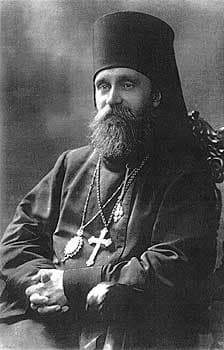
Platon Kulbusch
Platon Kulbusch was the first Orthodox saint of Estonian ethnicity, serving as a bishop during a period of significant political upheaval. He is remembered for his support of Estonian independence and his martyrdom during the Bolshevik invasion. His canonization by multiple Orthodox churches solidified his status as a significant figure in Estonian religious history.
Abo of Tiflis
Abo of Tiflis was a Christian martyr of Arab origin who converted to Christianity after moving to what is now Georgia. He is remembered for his zealous confession of faith and martyrdom in Tbilisi under Arab rule.