
Marcellus I of Rome
January 16·4th century·Italy
Marcellus I was the bishop of Rome from 308 to 309, succeeding Marcellinus after a period of vacancy. He is remembered for reorganizing the church's territorial administration in Rome and for the severe penances he imposed on Christians who had lapsed during persecution. His actions led to conflict and his eventual banishment from Rome by Emperor Maxentius, where he died in exile.
Key Facts
- ›He served as bishop of Rome from may or June 308 until his death on January 16, 309.
- ›He succeeded Marcellinus, filling a considerable interval after his death in 304.
- ›Marcellus I divided Rome into twenty-five administrative districts, each overseen by a priest.
- ›He established a new cemetery, the Cœmeterium Novellœ, on the Via Salaria.
- ›He was banished from Rome by Maxentius due to disputes over readmitting lapsed Christians to communion.
- ›His relics are located under the altar of San Marcello al Corso in Rome.
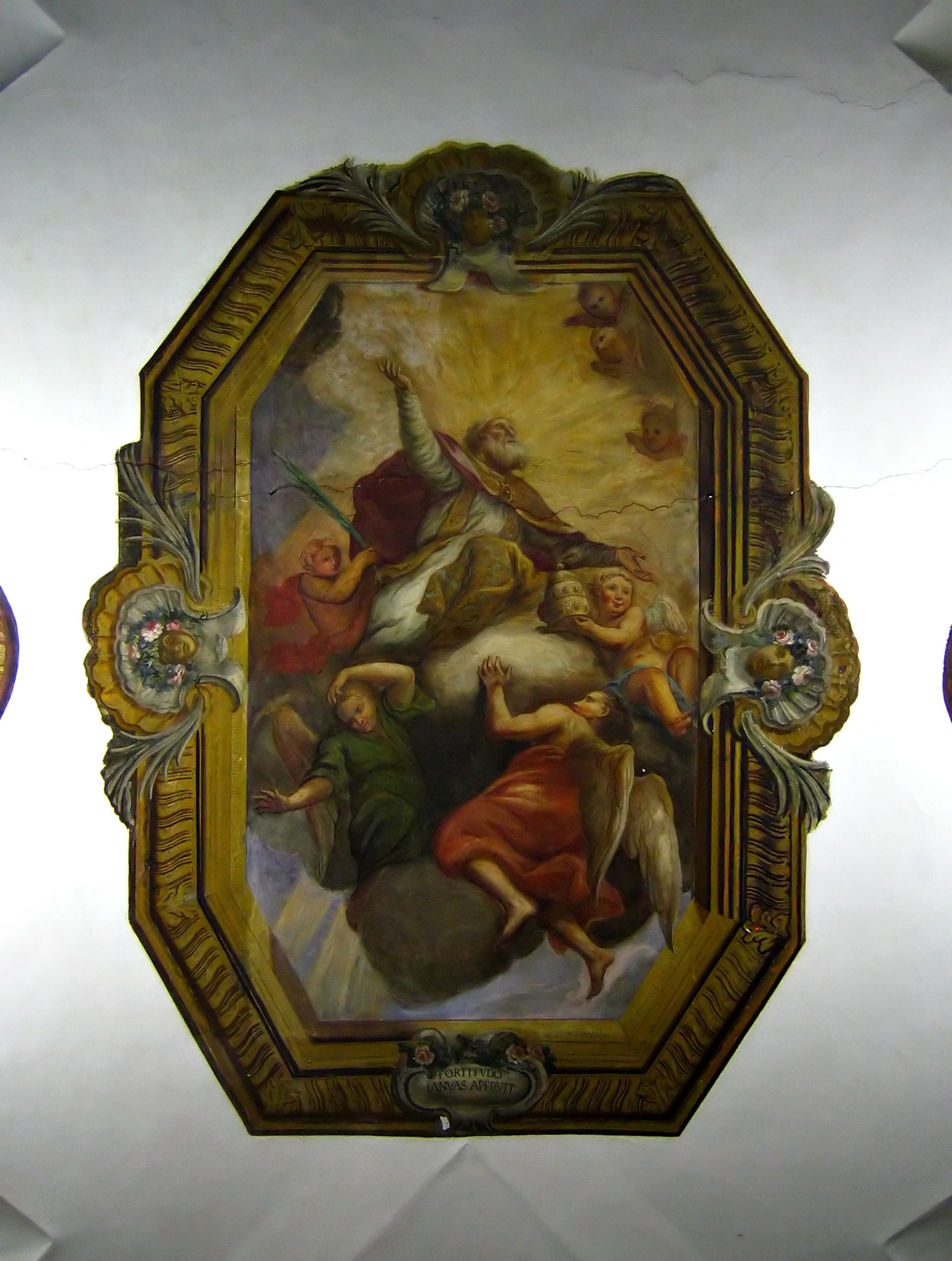
Marcello I
About Marcellus I of Rome
Marcellus I
Marcellus I served as the bishop of Rome from May or June 308 until his death on January 16, 309. He succeeded Marcellinus after a significant period during which the see was vacant, a time marked by the continued severity of Diocletian's persecution and subsequent political shifts with the rise of Maxentius.
Life and Ministry
Upon assuming his office, Marcellus I found the church in Rome in considerable disarray. Meeting places and burial grounds had been confiscated, and the church's ordinary life had been disrupted by persecution. Compounding these challenges were internal dissensions, particularly regarding the readmission of Christians who had renounced their faith under duress. Marcellus insisted on the imposition of severe penances for these 'lapsed' individuals before readmission to communion, a stance that generated significant opposition.
According to historical accounts, Marcellus I was instrumental in reorganizing the church's administrative structure in Rome. He is credited with dividing the city into twenty-five districts, each overseen by a priest (a 'title' church), who was responsible for preparing catechumens for baptism, directing public penances, and arranging the burial of the dead and commemorations of martyrs. He also established a new cemetery, the Cœmeterium Novellœ, on the Via Salaria.
Exile and Death
The controversies surrounding the readmission of the lapsed, coupled with Marcellus I's insistence on penance, led to violent conflicts. Emperor Maxentius, who had previously apostatized, ordered the pope seized and exiled from Rome. Marcellus died in exile the same year he was banished, 309. While some later hagiographical accounts suggest he was condemned to work as a slave in a public station and died in that menial occupation, the more historically grounded tradition points to his death occurring shortly after his exile.
Veneration
Marcellus I has been venerated as a saint, with his feast day traditionally observed on January 16. His relics are housed under the altar of San Marcello al Corso in Rome. The church at Rome that bears his name is a testament to his enduring memory, though the precise circumstances of his death remain subject to varying historical interpretations.
Source: Wikipedia ↗
Frequently Asked Questions
When did Marcellus I serve as bishop of Rome?
Marcellus I served as the bishop of Rome from May or June 308 until his death on January 16, 309. His pontificate followed a considerable interval after the death of his predecessor, Marcellinus.
What were Marcellus I's major contributions during his papacy?
During his papacy, Marcellus I is credited with reorganizing the territorial administration of the church in Rome into twenty-five districts, appointing priests to oversee each. He also established a new cemetery on the Via Salaria and insisted on public penance for those who had lapsed during persecution.
Why was Marcellus I banished from Rome?
Marcellus I was banished from Rome by Emperor Maxentius in 309 due to the severe penances he imposed on Christians who had lapsed during the recent persecution. These strict requirements caused tumult and conflict within the church.
Where are the relics of Marcellus I kept?
The relics of Marcellus I are kept under the altar of the church of San Marcello al Corso in Rome. He was originally buried in the catacomb of St. Priscilla.
What is the feast day of Marcellus I?
The traditional feast day for Marcellus I was January 16. However, since 1969, it is no longer inscribed in the General Roman Calendar and is left to local calendars.
Related Saints
Pope Eusebius
Pope Eusebius was the bishop of Rome from April 18, 309, to August 17, 310. He is remembered for his stance on readmitting apostates to church communion after penance, a position that led to conflict and his subsequent exile. His firm defense of ecclesiastical discipline was later recognized by Pope Damasus I.
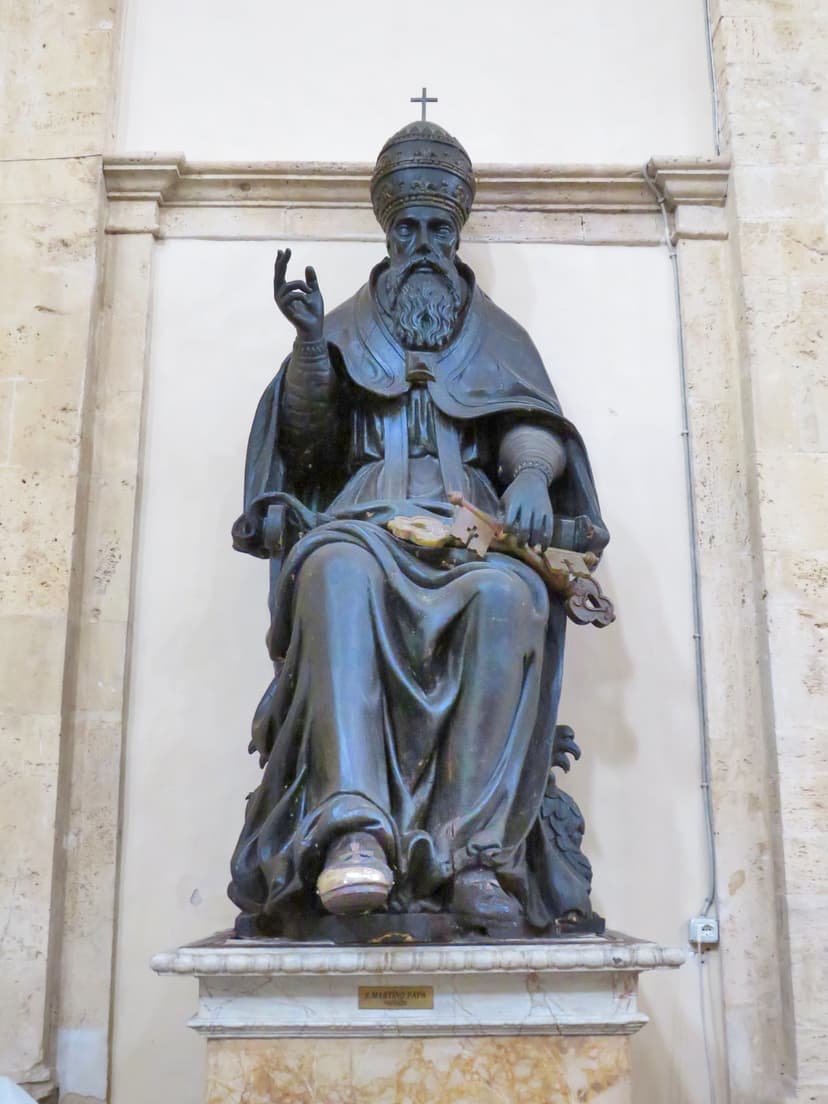
Martin the Confessor
Pope Martin I, also known as Martin the Confessor, served as bishop of Rome from 649 to 653 or 654. He is remembered for his strong opposition to Monothelitism, which led to his arrest and exile by Emperor Constans II. Martin is venerated as a saint by both the Catholic and Eastern Orthodox Churches, and is recognized as the last pope to be considered a martyr.
Pope Martin I
Pope Martin I was the bishop of Rome from 649 to 653 or 654. He is remembered for his staunch opposition to Monothelitism, a theological doctrine concerning Christ's will, which led to his arrest, exile, and death. He is recognized as a saint by both the Catholic and Eastern Orthodox Churches and is the last pope to be acknowledged as a martyr.