
Jacob the New of Tuman
Jacob the New of Tuman was a Serbian Orthodox monk, formerly a distinguished diplomat and scholar with doctorates in philosophy and law. He is venerated for his ascetic life, missionary work, and martyrdom at the hands of communist authorities. He is chiefly remembered for his steadfast faith and prophetic warnings before and during World War II, and for his eventual canonization by the Serbian Orthodox Church.
Key Facts
- ›Born Radoje Arsović on December 13, 1894, in Ravna Gora, Serbia.
- ›Held doctorates in philosophy from the Sorbonne and law from Montpellier.
- ›Served as a diplomatic officer for the Kingdom of Yugoslavia, including ambassador to Paris in 1929.
- ›Became a monk in 1938, taking the name Jakov, and was influenced by Bishop Nikolaj Velimirović.
- ›Was arrested and tortured by Yugoslav Communist authorities in 1945.
- ›Died in 1946 from injuries sustained after being beaten by Communists for distributing copies of the Lord's Prayer.
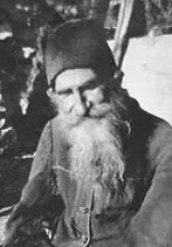
Sveti Jakov Novi Tumanski, Prepodobni Jakov Novi Tumanski, Radoje Arsović
About Jacob the New of Tuman
Jacob the New of Tuman, born Radoje Arsović on December 13, 1894, was a Serbian Orthodox monk venerated as a saint. He led a remarkable life that transitioned from a distinguished secular career as a diplomat and scholar to one of deep asceticism and missionary service.
Life and Education
Born in Ravna Gora, Serbia, Radoje Arsović pursued higher education in France, earning doctorates in philosophy from the Sorbonne and in law from Montpellier. His intellectual pursuits also extended to practicing medicine, law, and theology. He served the Kingdom of Yugoslavia in diplomatic capacities, notably as ambassador to Paris in 1929.
Monastic Calling and Mission
Following World War I, Jacob was profoundly influenced by Bishop Nikolaj Velimirović, leading him to dedicate his life to the Church. He became an active participant in the Bogomoltsy Movement, translating religious texts and engaging in pious writing. In 1938, he entered monastic life, taking the name Jakov, and embraced a life of strict asceticism. He served as a missionary, traveling between towns and villages, often sharing prophetic warnings about impending suffering and conflict.
Martyrdom and Sainthood
During World War II, Jacob continued his preaching even when forbidden in churches, speaking in schools and gymnasiums. His faith and prophetic voice led to his arrest by Yugoslav Communist authorities in 1945. He was tortured for his beliefs, and in 1946, he was beaten to death by secret police for distributing religious texts. His relics were discovered to be incorrupt years later, and in 2017, the Serbian Orthodox Church officially canonized him as "Venerable Jacob the New of Tuman." His feast day is celebrated on August 21.
Source: Wikipedia ↗
Frequently Asked Questions
What was Jacob the New of Tuman's secular name and background?
His secular name was Radoje Arsović. Before becoming a monk, he was a highly educated individual with doctorates in philosophy and law, and he served as a diplomatic officer for the Kingdom of Yugoslavia.
How did Jacob the New of Tuman become a monk?
After World War I, he was influenced by Bishop Nikolaj Velimirović to devote himself to the Church. He left his diplomatic career, embraced the Bogomoltsy Movement, and became a monk in 1938, taking the monastic name Jakov.
What was Jacob the New of Tuman known for during World War II?
He was known for his missionary work, preaching in churches, gymnasiums, and schools. He also offered prophetic warnings about the war and the suffering of the Serbian people, even predicting the German bombing of Belgrade.
How did Jacob the New of Tuman die?
He was arrested by Yugoslav Communist authorities in 1945 and subjected to torture. In 1946, he was beaten to death by members of the UDBA after distributing copies of the Lord's Prayer at a train station.
When and how was Jacob the New of Tuman canonized?
His relics were found to be whole and incorruptible in December 2014. The Serbian Orthodox Church officially canonized him as a saint in 2017, celebrating his feast day on August 21 according to the Gregorian calendar.
Related Saints
Julius of Rome
Julius of Rome was an early Roman Christian and a member of the Roman Senate who is recorded as a martyr. He is chiefly remembered for his conversion to Christianity, his act of distributing his wealth to the poor, and his subsequent martyrdom under Emperor Commodus.
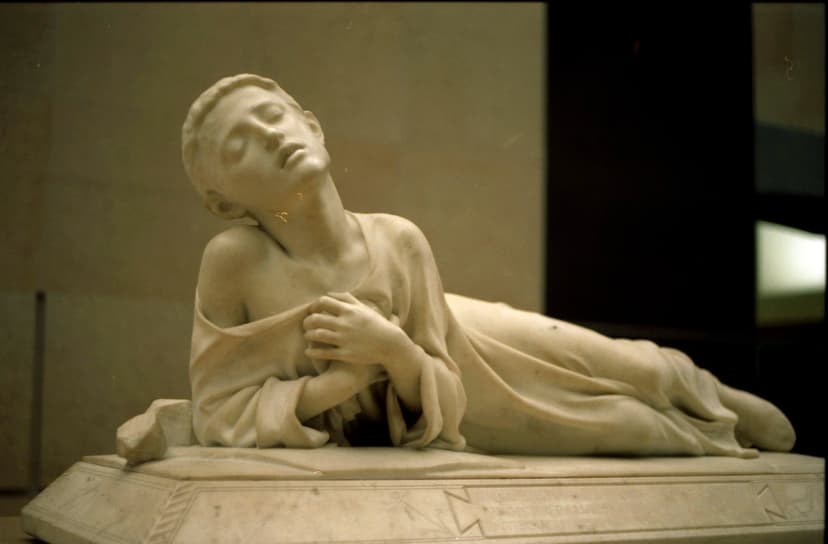
Tarcisius
Tarcisius was a martyr of the early Christian church in the 3rd century, known for his devotion to the Eucharist. He is chiefly remembered for preferring death rather than allowing the Blessed Sacrament he was carrying to be profaned by a mob.
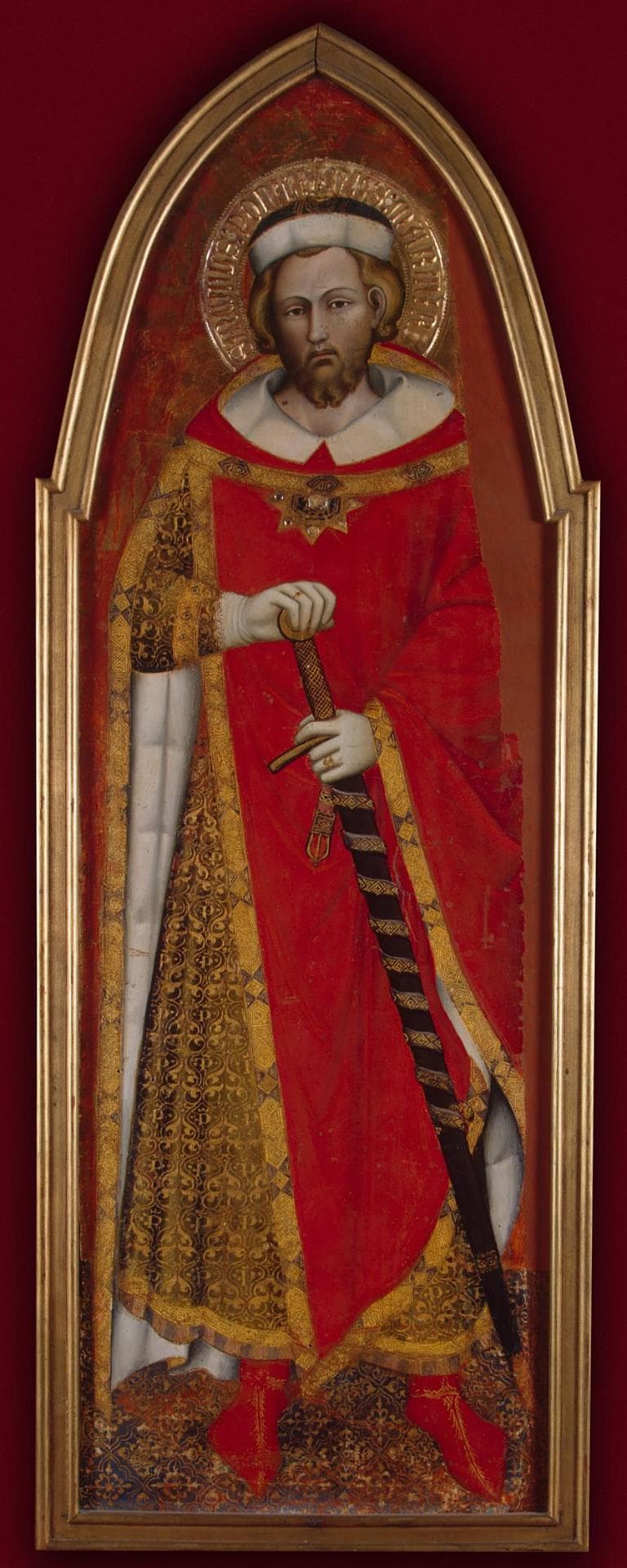
Pope Pontian
Pope Pontian was the bishop of Rome from 21 July 230 to 28 September 235. He is remembered as the first pope to abdicate his office, a decision made to facilitate an orderly transition and end an eighteen-year schism within the Church. Pontian was exiled to Sardinia during a persecution of Christians and died there in October 235.